


Understanding the Science Behind the 8 Point Facelift Technique
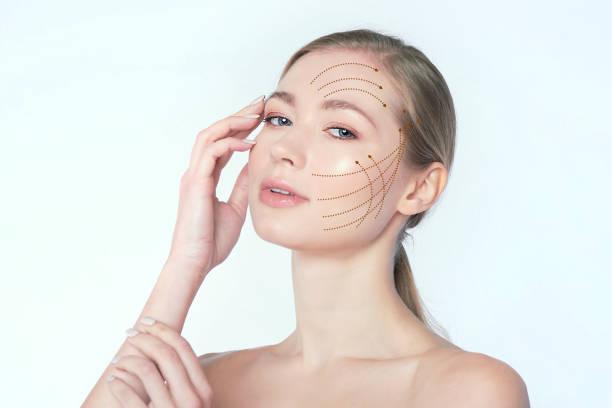
Facial aging involves gradual changes in skin elasticity, fat distribution, bone structure, and the tissues that support facial contours. These changes can make cheeks appear flatter, folds more noticeable, and the jawline less defined. 8point facelift in riyadh is a non-surgical rejuvenation approach that uses strategically placed hyaluronic acid-based dermal fillers to restore selected areas of volume and improve facial balance. Understanding how fillers interact with facial tissues helps patients make informed decisions about this treatment.
The technique focuses on facial proportions rather than treating every wrinkle individually. A qualified practitioner evaluates the patient's anatomy and identifies areas where restoring volume may improve overall contours. Results depend on the individual's facial structure, the product selected, and the treatment plan.
How Juvederm Fillers Work
The Role of Hyaluronic Acid
Juvederm is a family of dermal fillers made with hyaluronic acid, a substance naturally present in the body. Hyaluronic acid attracts and retains water, helping maintain tissue hydration and volume. In dermal fillers, it is formulated into a gel designed to provide support in selected treatment areas.
Different Juvederm formulations have different characteristics, including firmness and flexibility. These properties influence where a particular product may be suitable. A qualified medical practitioner selects the formulation based on the treatment area, facial anatomy, and desired outcome.
How Fillers Add Volume
When injected into an appropriate facial area, a hyaluronic acid filler occupies space within the tissue and can improve the appearance of volume loss. This may help enhance cheek contours, soften selected folds, or improve the definition of certain facial features.
The effect depends on the placement and quantity of filler. More product does not necessarily produce a better result; excessive filler can distort facial proportions or create an unnatural appearance.
The Principles Behind the 8 Point Facelift Technique
Strategic Facial Assessment
The term “8 Point Facelift” describes a technique involving selected injection areas across the face. It is not a single standardized injection pattern, and the exact points may vary according to the practitioner's approach and the patient's anatomy.
The practitioner assesses how the cheeks, midface, and lower face contribute to the overall facial appearance. Treatment may focus on restoring volume in specific areas to improve balance between facial features.
Supporting Facial Contours
Facial areas influence one another visually. For example, loss of cheek volume can make folds around the nose and mouth appear more prominent. Restoring volume in a suitable area may improve the transition between facial features, although it may not eliminate every fold.
8 Point Facelift with Juvederm in Riyadh aims to use this principle of facial balance to produce subtle contour improvements. The result is influenced by facial anatomy, skin quality, filler selection, and the practitioner's technique.
Maintaining Natural Expressions
Effective facial rejuvenation should account for movement as well as appearance at rest. Facial muscles are responsible for expressions, while fillers primarily restore volume and provide structural support in selected areas. Appropriate product selection and conservative placement can help maintain natural-looking facial movement.
Which Facial Concerns May Improve?
Cheek and Midface Volume Loss
Age-related changes can make the cheeks appear flatter or hollow. Filler may restore some volume and improve midface definition in suitable patients.
Nasolabial Folds and Marionette Lines
Nasolabial folds extend from the sides of the nose toward the mouth, while marionette lines run downward from the corners of the mouth. Filler may soften these lines in selected cases, but the best approach depends on their depth and underlying cause.
Lower-Face Definition
Strategic filler placement may improve the appearance of selected areas around the lower cheeks and jawline. However, fillers cannot reliably correct significant skin laxity or provide the same lifting effect as a surgical facelift.
What Happens During the Procedure?
Consultation and Planning
The practitioner reviews medical history, allergies, medications, previous cosmetic treatments, and the patient's goals. They assess facial proportions and discuss the expected benefits, limitations, and potential complications before creating a personalized plan.
Injection Process
The skin is cleansed, and a suitable numbing method may be used to improve comfort. Juvederm is injected into selected areas using a needle or cannula, depending on the treatment plan and clinical judgment. Mild pressure, tenderness, or discomfort may occur during treatment.
Results and Recovery
Some volume improvement may be visible immediately, but swelling can affect the initial appearance. Common temporary effects include redness, bruising, tenderness, and swelling. Results are easier to assess once these early effects settle.
Juvederm fillers are temporary. Their longevity varies according to the formulation, injection location, individual metabolism, and other factors. Follow-up appointments can help assess the outcome and determine whether additional treatment is appropriate.
Safety Considerations and Possible Risks
Dermal fillers can cause lumps, asymmetry, infection, and delayed inflammatory reactions. Rarely, filler can block a blood vessel and cause tissue damage or vision loss. Severe or unusual pain, skin whitening or discoloration, or any visual disturbance after injection requires immediate medical attention.
Treatment should be performed by a qualified medical practitioner with detailed knowledge of facial anatomy and the ability to recognize and manage complications. People with active infections or inflammation at the intended injection sites should generally postpone treatment. Elective filler treatments are commonly deferred during pregnancy and breastfeeding because safety data are limited.
Book an Appointment at Royal Clinic Saudia
If you are interested in understanding the science behind non-surgical facial rejuvenation,Royal Clinic Saudia can help you explore suitable options. During a consultation, the practitioner can assess whether 8 Point Facelift with Juvederm in Riyadh may suit your facial features and explain how filler placement, expected outcomes, recovery, and safety considerations apply to your individual needs. A personalized assessment supports informed decisions and realistic expectations.

 English
 Arabic
 French
 Spanish
 Portuguese
 Deutsch
 Turkish
 Dutch
 Italiano
 Russian
 Romaian
 Portuguese (Brazil)
