


Consistent Materials for Modern Packaging Operations
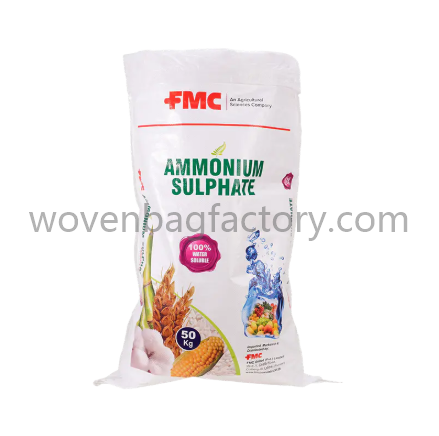
Reliable raw materials are essential for manufacturers that convert woven textiles into packaging products for commercial use. A PP Woven Fabric Roll provides a versatile starting material for producing sacks, covers, and other woven packaging components. Made from interlaced polypropylene tapes, the fabric combines a relatively lightweight structure with useful mechanical properties and flexibility during conversion. Its suitability depends on the intended application, fabric construction, finishing requirements, and the production equipment used by the customer.
Polypropylene is commonly selected for woven materials because it can be processed into narrow tapes and arranged into a durable textile structure. The manufacturing process begins with resin preparation and extrusion, during which the polymer is melted and formed into a thin film. The film is slit into strips, which are then stretched under controlled conditions to develop suitable properties for weaving. These tapes are wound onto bobbins and fed into weaving equipment, where they are interlaced to create a continuous fabric.
The quality of the finished material depends on coordination between extrusion and weaving. Tape width, thickness consistency, stretching conditions, weaving density, and production tension can influence fabric appearance and performance. Variations may create challenges during cutting, sewing, printing, or other downstream operations. Manufacturers therefore benefit from monitoring process conditions and maintaining clear production specifications. Consistency across rolls also helps converting businesses organize their material inventory and plan production with fewer interruptions.
Different applications call for different fabric characteristics. Packaging for agricultural commodities may prioritize practical handling and reliable bag construction, while materials used for industrial products may require other combinations of flexibility and strength. Fabric weight, surface characteristics, and construction should be selected according to the finished product rather than a single general-purpose standard. Buyers can provide details about the intended bag dimensions, packed goods, filling method, and handling environment to help determine appropriate material requirements.
Additional treatments can expand the range of uses for woven polypropylene fabric. Lamination or coating may be applied when particular surface or moisture-resistance properties are needed. Printing can support product identification, branding, and logistics information. The fabric may also be cut, folded, and sewn into finished bags or components according to the customer's design. Each treatment introduces its own production considerations, so material compatibility and the requirements of the converting process should be reviewed before a large order is placed.
Roll presentation matters to businesses operating downstream manufacturing equipment. Consistent width, stable winding, clear labeling, and suitable outer packaging can make receiving, storage, and machine setup more manageable. Damaged edges, irregular winding, or contamination may complicate processing and increase material waste. Buyers should communicate preferred roll dimensions, packaging methods, and identification requirements before production begins. A well-organized receiving process also helps staff check incoming materials against purchase specifications.
Quality assurance should be based on agreed criteria. Depending on the application, inspections may cover fabric dimensions, weight, appearance, construction consistency, and relevant mechanical properties. Sample approval provides a reference for evaluating subsequent production batches, while documented inspection procedures make it easier to identify and address deviations. Buyers should confirm which tests are relevant to their application rather than assuming every material requires the same inspection program. This approach can improve communication between the fabric supplier, converting factory, and final customer.
Woven polypropylene materials serve many commercial sectors. Packaging manufacturers use them to produce sacks for grain, animal feed, fertilizers, construction materials, and various industrial commodities. Other businesses may convert woven fabric into protective covers or utility products when the construction is suitable. Across these applications, the practical value of the material comes from matching its properties to the intended use. No single fabric design is appropriate for every product, so requirements should be defined before production planning.
For purchasing teams, supplier evaluation should include production capacity, communication, consistency, lead-time management, and the ability to meet agreed specifications. The lowest quoted price may not represent the best overall value if material variation disrupts downstream conversion. Buyers can compare samples, review quality procedures, and discuss repeat-order arrangements to understand how a supplier manages ongoing requirements. Sharing forecasts and communicating design changes early can also help improve production planning.
Material efficiency is increasingly relevant to packaging decisions. Selecting a fabric that meets actual performance needs can help avoid unnecessary material use, while appropriate handling and storage can preserve usable inventory. Recycling and disposal options depend on local infrastructure, contamination, coatings, and the composition of the finished product. Businesses should consider these factors throughout the material lifecycle and make environmental decisions based on realistic operating conditions.
When sourcing a PP Woven Fabric Roll, buyers should assess fabric consistency, processing compatibility, finishing options, and supply reliability together. HONGYANG supports woven packaging requirements for businesses working across varied commercial applications. To explore related packaging solutions and discuss material needs, visit https://www.wovenbagfactory.com/product/kraft-paper-bag/ as part of your supplier evaluation and production planning.

 English
 Arabic
 French
 Spanish
 Portuguese
 Turkish
 Dutch
 Italiano
 Russian
 Romaian
 Portuguese (Brazil)
 Greek
