


Event Organizer: A Complete Guide to Planning Successful Events in 2026
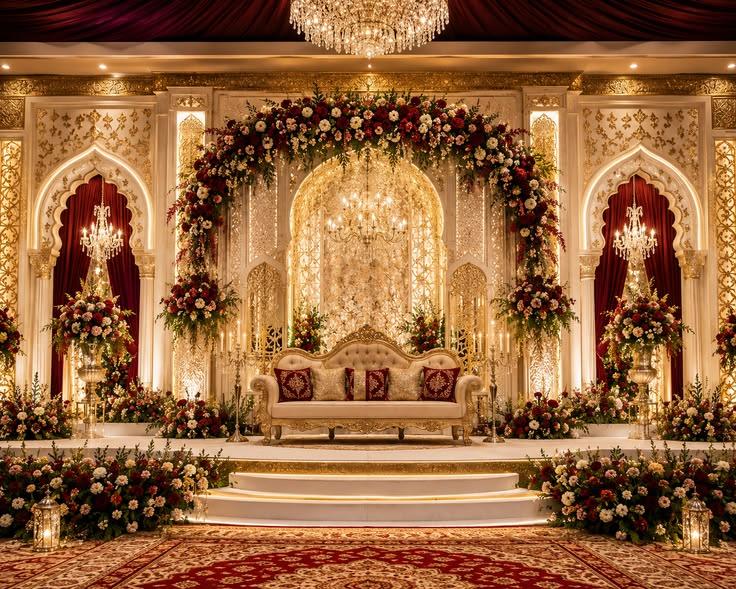
An event organizer plays an important role in planning, coordinating, and managing successful events. From weddings and birthday parties to corporate meetings, private celebrations, and social gatherings, a professional event organizer helps turn ideas into memorable experiences. With proper planning, creative concepts, and effective coordination, every event can be organized smoothly and efficiently.
In 2026, people are increasingly looking for creative and stress-free ways to celebrate special occasions. Hiring an experienced event organizer can help manage the details, control the budget, coordinate vendors, and ensure that everything runs according to plan.
What Is an Event Organizer?
An event organizer is a professional who plans and manages events from the initial idea to the final execution. Their responsibilities include selecting venues, arranging decorations, managing budgets, coordinating suppliers, and overseeing event schedules.
An experienced event organizer understands how to bring different elements together to create a well-organized and enjoyable occasion. Whether the event is small and private or large and formal, proper organization helps reduce stress and improve the overall experience.
Why Is an Event Organizer Important?
Planning an event involves several responsibilities that require time, attention, and coordination. Without proper planning, small mistakes can affect the entire occasion.
A professional event organizer helps simplify the process by managing essential tasks and ensuring that everything is prepared before the event begins.
The main benefits include:
-
Better planning: Every important detail is organized in advance.
-
Time management: A clear schedule helps keep preparations on track.
-
Budget control: Expenses are monitored to avoid unnecessary spending.
-
Creative ideas: Professional input can improve the event's theme and appearance.
-
Vendor coordination: Different service providers work together efficiently.
-
Stress reduction: Hosts can focus on their guests instead of handling every responsibility.
These benefits make professional event planning valuable for individuals, families, and businesses.
Types of Events Managed by an Event Organizer
An event organizer can handle different types of occasions depending on the client's requirements, budget, and preferences.
Wedding Events
Weddings require detailed planning, from venue selection and stage decoration to seating arrangements, catering, lighting, and guest management. An event organizer helps coordinate these elements to create a memorable celebration.
Professional planning also helps couples manage their schedules and avoid unnecessary last-minute problems.
Corporate Events
Corporate events include business meetings, conferences, product launches, seminars, award ceremonies, and company celebrations. These events require professional arrangements and effective communication.
An event organizer coordinates the venue, audiovisual equipment, branding, refreshments, and guest registration to support a smooth and professional experience.
Birthday Parties
Birthday celebrations can range from small family gatherings to elaborate themed parties. An event organizer can arrange decorations, entertainment, cakes, lighting, and activities according to the occasion.
Personalized themes and creative details can make birthday parties more enjoyable for guests of different ages.
Private Parties and Social Gatherings
Engagements, anniversaries, family dinners, and other private celebrations often require customized arrangements. An event organizer helps select suitable decorations, catering services, seating layouts, and entertainment options.
Careful coordination allows hosts to enjoy the celebration without worrying about every detail.
Outdoor and Destination Events
Outdoor celebrations and destination events require additional preparation because weather, transportation, accommodation, and venue facilities can affect the experience.
An event organizer can coordinate travel arrangements, accommodation, event setup, and schedules to help guests enjoy the occasion comfortably.
Key Responsibilities of an Event Organizer
A successful event depends on more than decorations and a beautiful venue. Several important responsibilities must be managed throughout the planning process.
Understanding Client Requirements
The first step is understanding the client's vision, preferred theme, number of guests, budget, and expectations. This information helps create an event plan that reflects the client's needs.
Budget Planning
Budget management is essential for avoiding unnecessary expenses. An event organizer estimates the costs of the venue, catering, decorations, entertainment, transportation, and other services.
A well-prepared budget helps prioritize important elements while keeping spending under control.
Venue Selection
The venue should match the event's size, style, location, and budget. Factors such as accessibility, parking, seating capacity, facilities, and available services should be considered before making a booking.
Decoration and Theme Development
Decorations help establish the atmosphere of an event. An event organizer may develop a theme based on the client's preferences, occasion, and budget.
This can include stage design, floral arrangements, table settings, lighting, entrance decorations, and customized displays.
Vendor Coordination
Events often require multiple service providers, including caterers, photographers, decorators, entertainers, and equipment suppliers.
An event organizer coordinates these vendors, confirms their responsibilities, and monitors important deadlines to ensure that everything is ready on time.
Event-Day Management
On the event day, the organizer oversees the schedule, checks arrangements, coordinates staff, and addresses unexpected problems.
This supervision helps keep the event running smoothly and allows the host to focus on enjoying the occasion.
How to Choose the Right Event Organizer
Selecting the right professional is an important step toward achieving a successful event. Before making a decision, consider the following factors.
Experience and Portfolio
Review the organizer's previous work to understand their experience, creativity, and ability to manage different types of events. Photographs, videos, and client testimonials can help you evaluate their services.
Services Offered
Some organizers provide complete event management, while others specialize in specific services such as decoration, catering coordination, or corporate events.
Choose a provider whose services match your requirements.
Budget Transparency
Ask for a detailed quotation that explains the cost of each service. Clarify whether the price includes decoration, staffing, equipment, transportation, and other additional expenses.
Clear pricing helps prevent misunderstandings later.
Communication and Professionalism
An effective event organizer listens carefully, responds to questions, and provides clear updates throughout the planning process.
Good communication ensures that everyone understands the plan, responsibilities, and deadlines.
Flexibility and Problem-Solving
Unexpected changes can occur during event preparation. A reliable organizer should be able to adjust arrangements, manage delays, and find practical solutions without compromising essential event requirements.
Event Planning Process: From Idea to Execution
A structured planning process helps ensure that every stage is handled properly.
Define the Event Goals
Determine the purpose of the event, the target audience, the preferred style, and the expected number of guests.
Set the Budget
Establish a realistic budget and divide it among the most important expenses. Keep a contingency amount available for unexpected costs.
Select the Date and Venue
Choose a suitable date and confirm the venue according to availability, guest capacity, and accessibility.
Finalize the Theme and Services
Decide on the decorations, catering, entertainment, photography, seating arrangements, and other essential services.
Create a Schedule
Prepare a timeline for setup, vendor arrival, guest reception, main activities, and event completion.
Confirm All Arrangements
Reconfirm bookings, payment terms, delivery times, and responsibilities with vendors before the event.
Manage the Event
Oversee the setup, monitor the schedule, communicate with the team, and handle unexpected issues during the occasion.
Following these steps helps reduce confusion and creates a more organized experience for everyone involved.
Common Event Planning Mistakes to Avoid
Even a well-planned occasion can face difficulties if important details are overlooked. An event organizer helps prevent common mistakes by maintaining a clear plan.
Some mistakes to avoid include:
-
Setting an unrealistic budget without considering additional costs.
-
Booking a venue that cannot comfortably accommodate all guests.
-
Confirming vendors without checking their services and reliability.
-
Leaving decorations, catering, or equipment arrangements until the last minute.
-
Failing to prepare a detailed event schedule.
-
Ignoring guest accessibility, parking, and transportation requirements.
-
Not having a backup plan for outdoor events or unexpected delays.
Early preparation, clear communication, and careful supervision can help minimize these problems.
Event Organizer Trends in 2026
Event planning continues to evolve as clients look for more personalized, convenient, and engaging experiences.
Personalized Event Experiences
Customized decorations, themed setups, personalized invitations, and unique guest experiences are becoming important elements of modern celebrations.
Sustainable Event Planning
Some clients prefer reusable decorations, digital invitations, reduced food waste, and environmentally conscious materials. These choices can help reduce the environmental impact of an event.
Technology Integration
Digital invitations, online registration, event management software, and audiovisual technology can improve organization and communication.
Creative Lighting and Decorations
Lighting installations, elegant stage designs, floral arrangements, and coordinated color themes can transform a venue and create an attractive atmosphere.
Flexible Event Packages
Clients increasingly value packages that can be adapted to different budgets, guest counts, and service requirements. Flexible arrangements make it easier to prioritize the features that matter most.
Benefits of Hiring a Professional Event Organizer
Hiring a professional can make the planning process more manageable, particularly when an event involves multiple vendors, a large guest list, or detailed arrangements.
An experienced event organizer brings planning skills, industry knowledge, coordination, and practical problem-solving to the occasion.
Professional support can also help maintain consistency between the event's theme, venue setup, schedule, and budget. Instead of managing every task independently, clients can rely on an organized process that keeps the major responsibilities under control.
The right level of support depends on the event. Some clients may need complete planning and management, while others may only require assistance with selected arrangements.
Final Thoughts
An event organizer helps transform an idea into a well-planned and memorable occasion. From weddings and birthday parties to corporate functions and private celebrations, professional event management brings together creativity, organization, budgeting, and coordination.
Choosing the right organizer involves reviewing experience, understanding the available services, comparing transparent quotations, and ensuring effective communication.
With a clear plan, reliable vendors, and proper event-day supervision, hosts can reduce unnecessary stress and create a positive experience for their guests. Whether planning a small gathering or a large celebration, professional event organization can make the entire process more efficient and enjoyable.

 English
 Arabic
 French
 Spanish
 Portuguese
 Turkish
 Dutch
 Italiano
 Russian
 Romaian
 Portuguese (Brazil)
 Greek
