


Golf Cart Wholesale: A Complete Guide to Buying in Bulk and Growing Your Business
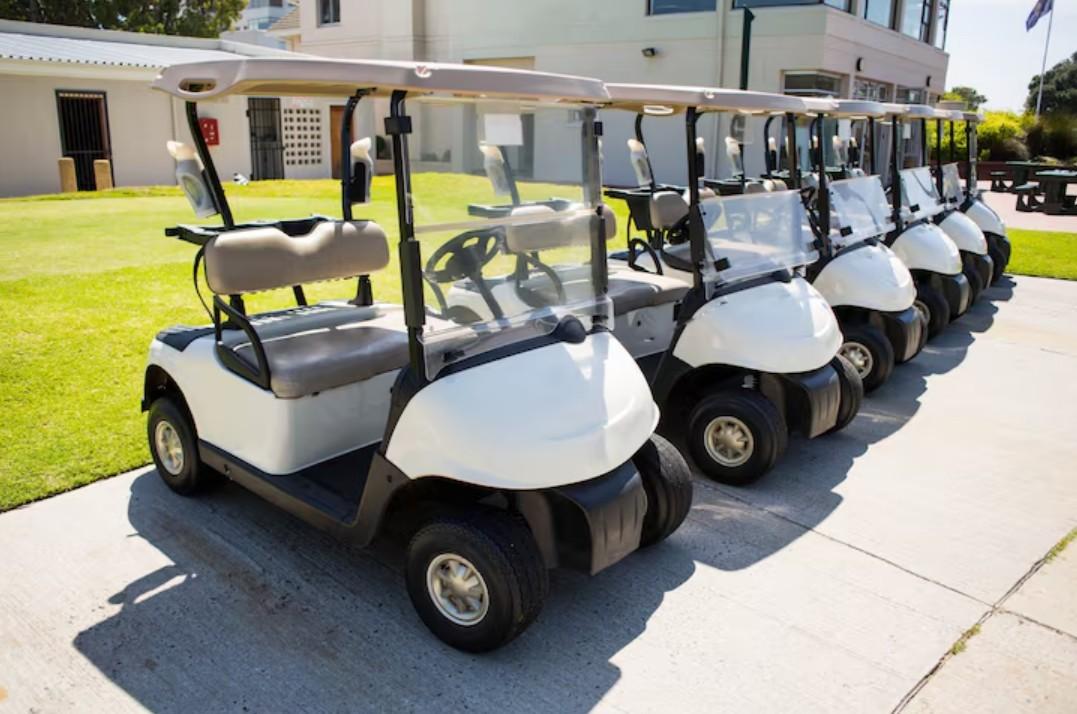
The golf cart industry has expanded beyond golf courses and country clubs. Today, golf carts are widely used in residential communities, resorts, commercial properties, event venues, and private estates.
This growing demand creates valuable opportunities for dealerships looking to expand their inventory and attract more customers. However, success in this competitive market depends on finding reliable suppliers, managing costs, and offering vehicles that meet different customer needs.
Working with a golf cart wholesale supplier can help businesses purchase vehicles at competitive prices while maintaining a diverse inventory. From used golf carts to electric models and utility vehicles, wholesale purchasing offers dealers a practical way to improve profitability and build a sustainable business.
Understanding Golf Cart Dealer Wholesale
Golf cart dealer wholesale refers to purchasing golf carts in larger quantities from distributors or specialized suppliers, generally at prices intended for resale businesses rather than individual consumers. These arrangements allow dealers to source multiple vehicles without relying exclusively on retail purchases.
Wholesale suppliers may offer off lease vehicles, used carts, refurbished models, and different configurations to suit various budgets and applications. For dealerships, this creates opportunities to serve customers who want affordable transportation as well as buyers searching for more advanced features.
Instead of sourcing every vehicle separately, dealers can establish relationships with wholesale distributors and develop a more consistent purchasing process. This can simplify inventory planning, improve purchasing efficiency, and help businesses respond to changing market demand.
Benefits of Buying Golf Carts Wholesale
One of the biggest advantages of wholesale purchasing is the potential to reduce acquisition costs. Buying vehicles at competitive wholesale rates gives dealerships more flexibility when setting retail prices and calculating profit margins. Actual savings depend on vehicle condition, quantity, transportation expenses, and supplier terms.
Another important benefit is inventory variety. Customers have different preferences, and a dealership that offers several seating configurations, power options, and price ranges can appeal to a broader audience. Some buyers need basic two seat carts, while others prefer passenger models or utility vehicles for commercial use.
Wholesale purchasing can also save valuable time. A dependable supplier with regularly updated inventory makes it easier to identify available vehicles, compare specifications, and plan future purchases. For growing dealerships, this consistency can be just as valuable as the purchase price.
Choosing Right Wholesale Golf Cart Supplier
Selecting a supplier requires more than comparing advertised prices. Dealers should evaluate the quality of available vehicles, the accuracy of inventory information, shipping arrangements, and the level of support provided throughout the purchasing process.
Start by asking about vehicle history, mechanical condition, battery health where applicable, and any inspection or refurbishment procedures. For used golf carts, understanding the condition of major components can help prevent unexpected repair costs after delivery.
It is also important to confirm the supplier's policies regarding payment, transportation, damaged shipments, and returns. Clear terms reduce misunderstandings and help dealers calculate their actual investment before committing to a purchase.
Reliable communication matters, too. A supplier that provides accurate information and responds promptly to questions can make wholesale purchasing easier, particularly when a dealership needs several vehicles for an upcoming sales period.
Understanding Electric and Gas Golf Carts
Choosing the right inventory mix begins with understanding what customers expect from their vehicles. Electric golf carts are often attractive to buyers who prioritize quiet operation, convenient charging, and reduced routine maintenance. They can be suitable for residential communities, resorts, and properties where low noise is important.
Gas powered golf carts appeal to customers who prefer refueling instead of charging and may need vehicles for longer operating periods. Their suitability depends on the intended application, local regulations, and maintenance requirements.
Battery technology is another important consideration. When evaluating electric models, dealers should consider battery age, charging performance, replacement costs, and expected operating range. These details help establish realistic resale prices and allow sales teams to answer customer questions confidently.
Maintaining a balanced selection of electric and gas models can help dealerships serve different markets without depending too heavily on one customer preference.
Why Nationwide Distribution Matters
Access to wholesale inventory across multiple regions can give dealerships greater purchasing flexibility. A broader supply network may make it easier to find particular models, compare vehicle conditions, and source larger quantities when local availability is limited.
However, transportation should always be included in purchasing calculations. Shipping costs, delivery schedules, loading arrangements, and the condition of vehicles upon arrival can affect the overall value of a wholesale order.
Dealers who plan transportation carefully can coordinate deliveries with their inventory needs and reduce unnecessary storage expenses. Establishing a dependable distribution process also becomes increasingly important as sales volumes grow.
Conclusion
Golf cart dealer wholesale purchasing can provide a strong foundation for dealerships that want to expand inventory, control acquisition costs, and serve a wider customer base. The key is to look beyond low prices and focus on vehicle quality, supplier reliability, transportation, and long term profitability.
By understanding customer preferences, evaluating suppliers carefully, and making inventory decisions based on real demand, dealers can build a more resilient business. A thoughtful wholesale strategy supports better purchasing decisions today while creating opportunities for steady growth in the future.
Frequently Asked Questions
1. What does golf cart dealer wholesale mean?
Golf cart dealer wholesale involves purchasing golf carts from distributors at business oriented prices, often in larger quantities, for resale or commercial use.
2. Are wholesale golf carts cheaper than retail carts?
Wholesale golf carts can have lower acquisition prices because they are sold through business focused purchasing arrangements. However, transportation, repairs, preparation, and other expenses should be included when comparing total costs.
3. What should dealers check before buying wholesale golf carts?
Dealers should review vehicle condition, battery health, mechanical performance, maintenance history where available, supplier policies, shipping costs, and expected resale value before placing an order.
4. Are electric or gas golf carts better for resale?
Both options can attract buyers. Electric carts may appeal to customers seeking quiet operation, while gas powered models may suit buyers who prefer refueling. The best choice depends on local demand, operating requirements, and the dealership's target market.

 English
 Arabic
 French
 Portuguese
 Deutsch
 Turkish
 Dutch
 Italiano
 Russian
 Romaian
 Portuguese (Brazil)
 Greek
