


How to Grow Fresh Vegetables in a Compact Dome Greenhouse
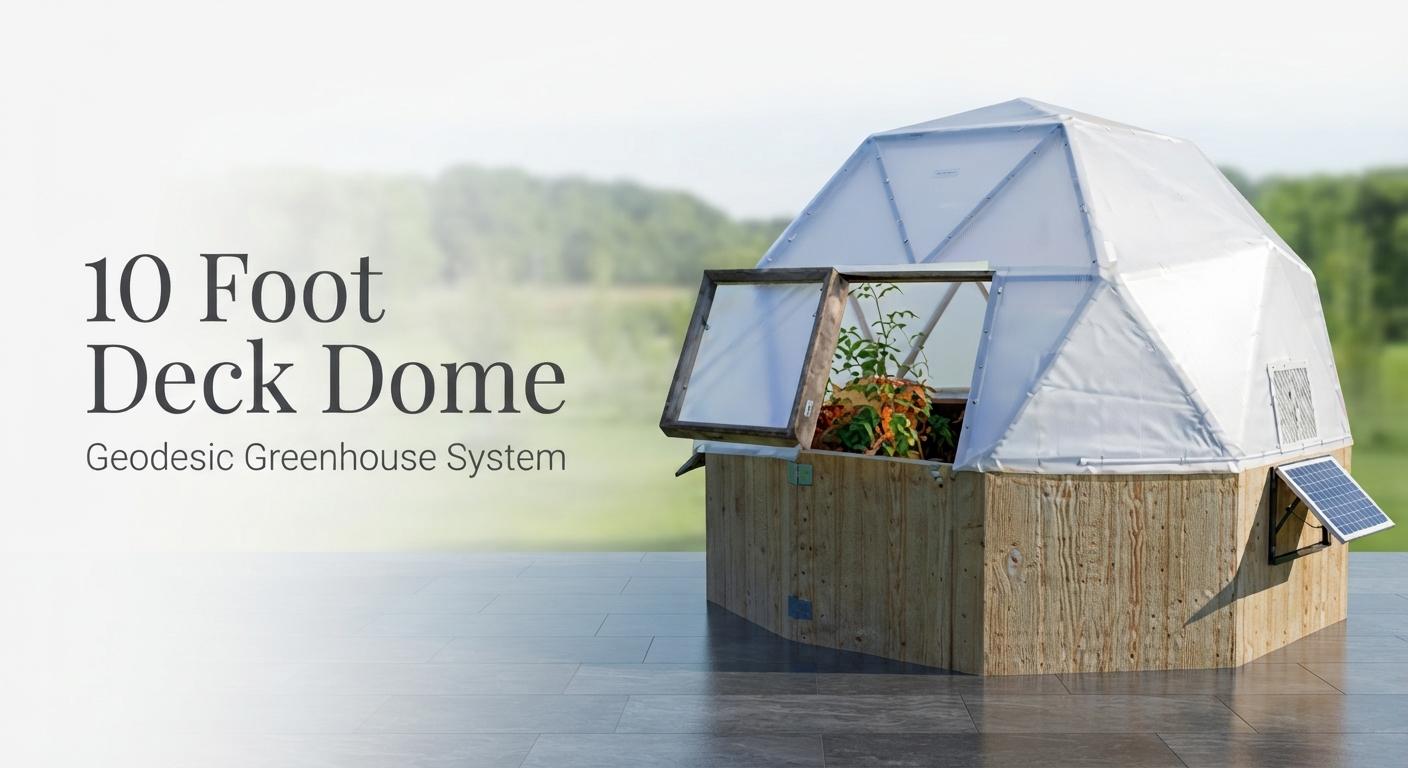
Growing fresh vegetables at home can be rewarding, even when outdoor space is limited. A compact dome greenhouse offers a practical way to organize plants, manage growing conditions, and make better use of a small gardening area. With a little planning, a 10 Foot Dome Greenhouse Kit can support a productive vegetable garden without requiring a large backyard.
From choosing suitable crops to managing sunlight and watering, a few simple practices can help gardeners get more from a compact growing space. Understanding how to arrange plants and maintain healthy conditions also makes everyday gardening easier.
1. Choose Vegetables That Suit a Small Space
Selecting the right crops is one of the first steps toward a productive greenhouse garden. Some vegetables grow well in containers and do not require extensive root space, making them suitable for compact environments.
Leafy greens such as lettuce, spinach, and arugula are useful choices because they can be grown relatively close together when their spacing needs are respected. Radishes and green onions can also work well in small planting areas.
For gardeners who prefer fruiting vegetables, compact tomato varieties and peppers may be suitable. However, these plants usually need more room, consistent support, and careful attention to watering.
Before planting, check the mature size of each variety. Choosing plants according to their growth habits helps prevent overcrowding and gives vegetables enough room to develop.
2. Plan the Layout Before Planting
A small greenhouse benefits from a clear, organized layout. Instead of placing containers wherever space is available, decide where each crop will grow and how you will reach it for watering, pruning, and harvesting.
Arrange smaller plants along accessible edges and keep taller crops where they are less likely to block light from shorter varieties. Shelves can hold seedlings and compact containers, while floor space can accommodate larger pots.
Leave enough room to move comfortably inside the structure. A narrow but usable pathway makes routine care easier and reduces the chance of damaging leaves or stems while working.
A well-planned layout also helps gardeners make efficient use of the available growing area without filling every open space with plants.
3. Make the Most of Sunlight
Vegetables need sufficient light for healthy growth, but their requirements differ by crop. Leafy greens can tolerate some partial shade, while tomatoes and peppers generally perform better with stronger sunlight.
Observe how sunlight reaches the greenhouse throughout the day. Position sun-loving plants in brighter areas and place crops with lower light requirements where they will not be overshadowed.
The dome shape can provide useful growing space, but the actual amount of light depends on its location, covering material, nearby trees, and surrounding buildings. Choose a site that receives suitable sunlight for the vegetables you intend to grow.
During particularly hot weather, excessive direct sunlight can raise temperatures and stress plants. Appropriate shading and ventilation may help maintain more favorable conditions.
4. Use Containers and Vertical Growing Methods
Containers make it easier to organize a compact garden and separate vegetables with different watering or soil requirements. Select pots with drainage holes and enough depth for the crops being grown.
Use a quality potting mix designed for containers rather than relying entirely on ordinary garden soil. Container mixes generally provide a balance of moisture retention and drainage that supports root development.
Vertical growing can create additional planting opportunities. Trellises or suitable supports can guide climbing crops upward instead of allowing them to spread across the floor. Some cucumber varieties, climbing beans, and indeterminate tomatoes may benefit from this approach when space, light, and structural support allow.
Secure supports carefully and avoid attaching heavy loads to greenhouse components unless they are designed to carry them. Keep taller plants from blocking sunlight or restricting access to neighboring containers.
5. Manage Watering and Soil Quality
Consistent watering helps vegetables grow steadily, but the right amount depends on the crop, container size, temperature, and growing medium. Small pots may dry out quickly, especially during warm weather.
Check soil moisture before watering instead of following a rigid schedule. Water thoroughly enough to reach the root zone, allowing excess moisture to drain away. Avoid leaving containers sitting in standing water, as persistently wet roots can develop problems.
Nutrients are also important because frequent watering can gradually carry nutrients out of containers. Use a suitable vegetable fertilizer according to its label and the needs of each crop. Too much fertilizer can harm plants, so applying additional product is not always better.
Healthy soil management, proper drainage, and regular observation can help maintain a productive growing environment throughout the season.
6. Maintain Comfortable Temperature and Airflow
Temperature management is especially important in an enclosed growing space. A greenhouse can warm up quickly on sunny days, even when outdoor temperatures feel moderate.
Provide ventilation to release excess heat and moisture. Depending on the structure, this may involve opening suitable vents or doors when conditions allow. Monitor temperatures with a simple thermometer and adjust ventilation as needed.
Air movement also helps reduce excessive humidity around leaves. Avoid crowding plants, remove damaged foliage, and water the soil rather than repeatedly wetting leaves where practical.
During cooler periods, close openings when appropriate to help retain warmth, while still preventing excessive moisture buildup. The ideal temperature varies by vegetable, so consider the needs of the crops you are growing rather than aiming for one temperature throughout the year.
7. Check Plants Regularly for Pests and Problems
A compact greenhouse makes it easier to inspect plants closely, but pests can still enter through openings, on new plants, or in growing materials. Regular checks help identify problems before they spread.
Look under leaves and around new growth for signs of aphids, mites, whiteflies, or other common garden pests. Yellowing leaves, unusual spots, and stunted growth may indicate watering problems, nutrient deficiencies, pests, or disease.
Remove affected plant material when appropriate and keep containers, tools, and growing areas clean. If pests appear, identify them before choosing a control method. Use products intended for the relevant crop and follow label directions carefully.
Healthy plants, appropriate spacing, and good airflow can reduce some common growing problems and support more consistent harvests.
8. Plan Planting and Harvesting in Stages
Planting every vegetable at the same time can lead to a crowded garden and a large harvest that is difficult to use all at once. Staggering planting dates helps spread production over a longer period.
For example, sow small batches of lettuce or radishes at intervals suited to their growing requirements. Harvest leafy greens as they mature, while taking care not to damage the remaining plant when using a cut-and-come-again variety.
Keep a simple record of planting dates, watering routines, harvests, and any problems. These notes can help you understand which vegetables perform best in your greenhouse and when to plant them again.
A compact garden may produce more consistently when planting and harvesting are treated as an ongoing process rather than a single seasonal activity.
Choosing a Greenhouse for Home Vegetable Gardening
The right greenhouse depends on the available space, local weather, preferred crops, and how much time you can dedicate to maintenance. A compact structure may be a practical option for homeowners who want to grow vegetables on a deck or in a small outdoor area.
When comparing greenhouse options, consider the covering material, ventilation, installation requirements, access to sunlight, and available room for containers. Check the product specifications to ensure the structure suits your intended location and growing plans.
Dome Greenhouses offer options for gardeners who want to make productive use of their available space. Reviewing the structure's dimensions and setup requirements can help you determine whether it fits your vegetable gardening goals.
Final Thoughts
Growing fresh vegetables in a compact dome greenhouse is possible with thoughtful planning and consistent care. Selecting suitable crops, arranging containers efficiently, managing sunlight, and monitoring moisture can all contribute to healthier plants and more useful harvests.
Start with a few vegetables that match your experience and available space. As you learn how they respond to your greenhouse conditions, adjust the layout and planting schedule to suit your needs. Small improvements over time can help create a productive home garden without making the space difficult to manage.
FAQs
1. What vegetables grow well in a compact dome greenhouse?
Lettuce, spinach, radishes, green onions, compact tomato varieties, and peppers can be suitable choices. The best options depend on available light, container size, and local growing conditions.
2. Can I grow vegetables in containers inside a dome greenhouse?
Yes. Containers with drainage holes and suitable potting mix can support many vegetables. Choose a container size that accommodates the crop's mature roots.
3. How often should I water greenhouse vegetables?
Watering frequency depends on temperature, plant type, container size, and soil moisture. Check the growing medium regularly and water when needed rather than relying only on a fixed schedule.
4. How can I prevent overheating in a small greenhouse?
Monitor the temperature, provide suitable ventilation, and use appropriate shading when necessary. Check conditions regularly during hot or sunny weather.
5. Can a compact greenhouse provide vegetables throughout the year?
It may extend the growing season, but year-round production depends on climate, crop selection, available light, and temperature control. Some vegetables tolerate cooler conditions better than others.

 English
 Arabic
 French
 Spanish
 Portuguese
 Deutsch
 Turkish
 Italiano
 Russian
 Romaian
 Portuguese (Brazil)
 Greek
