


Choosing a Shade Tent for Commercial Outdoor Spaces
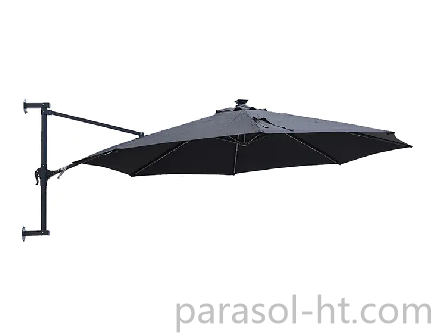
Outdoor areas become more versatile when they include suitable shelter for relaxation, dining, and social activities. A well-planned canopy can define a seating area, provide shade, and complement the surrounding landscape. An Outdoor Shade Tent may suit residential gardens, patios, courtyards, outdoor markets, hospitality venues, and selected temporary events, depending on its structure and intended application.
The first consideration is the purpose of the covered area. Homeowners may need shade for family meals or garden seating, while businesses may require shelter for customers, product displays, or outdoor activities. The number of users, available ground space, and expected frequency of use influence the appropriate design. Defining these requirements before purchasing helps buyers compare options more efficiently.
Coverage is one of the most important selection factors. A compact shelter may suit a small patio or garden corner, while a larger canopy may accommodate several tables and chairs. Buyers should measure the installation area and allow enough room for entrances, walkways, furniture, and surrounding landscaping. The canopy dimensions and supporting structure should work together to provide useful coverage without creating unnecessary obstacles.
Structural design influences installation and everyday use. Some products use folding frames for portability, while other configurations are designed for more established outdoor settings. Buyers should consider assembly requirements, support components, connection points, and storage needs. A portable design may be suitable for occasional gatherings, whereas a more permanent arrangement may be better suited to a dedicated outdoor seating area.
Canopy materials should match the expected conditions and maintenance routine. Fabric weight, surface finish, color, and construction influence the product's appearance and suitability. Buyers should review manufacturer information to understand recommended cleaning methods and limitations relating to sunlight, moisture, and weather exposure. Frame materials should also be appropriate for the product's dimensions and intended use.
Stability and installation require particular attention. The frame, anchoring method, and installation surface must be compatible according to the manufacturer's guidance. Outdoor shelters can be affected by wind and changing weather, so users should follow instructions for anchoring, inspection, and operation. Temporary shelters should not be assumed to withstand severe weather unless specifically designed and rated for those conditions.
For residential use, a shade tent can help establish a dedicated place for dining, relaxing, or entertaining guests without building a permanent extension. Coordinating the canopy with garden furniture, paving, and nearby plants can help it blend into the existing environment. Choosing appropriate dimensions also helps maintain access to doors, paths, and other frequently used areas.
Commercial users may need to consider additional operational factors. Restaurants, cafés, hotels, resorts, and event organizers may use shelters to create covered customer areas or support outdoor activities. Assembly time, storage, cleaning, replacement components, and the ability to arrange several units consistently can influence purchasing decisions. Businesses should also consider pedestrian circulation and any local requirements that apply to temporary or permanent structures.
Routine maintenance can preserve the canopy and supporting frame. Users should remove accumulated dirt and leaves, clean the fabric according to the manufacturer's instructions, and inspect joints and connections periodically. Where appropriate, the fabric should be dried before storage. Portable shelters should be stored in a suitable location when not in use, and damaged components should be assessed before the next installation.
For wholesalers, distributors, and project buyers, supplier evaluation should include product range, manufacturing consistency, customization options, packaging, and communication. Sharing the intended application, estimated quantity, preferred design, and installation environment helps suppliers identify suitable configurations. Clear documentation is particularly useful when comparing products for commercial projects or bulk purchasing.
A well-planned shelter can improve the functionality of an outdoor area while complementing its layout. By considering coverage, structure, materials, stability, maintenance, and intended use together, buyers can make more informed decisions. Businesses and individuals exploring an Outdoor Shade Tent for garden leisure or hospitality applications can learn more about outdoor umbrella and shade products at https://www.parasol-ht.com/.

 English
 French
 Spanish
 Portuguese
 Deutsch
 Turkish
 Dutch
 Italiano
 Russian
 Romaian
 Portuguese (Brazil)
 Greek
