


Post Induction Inspection System by Induction Cap Sealing Machine: Ensuring Reliable Packaging Quality
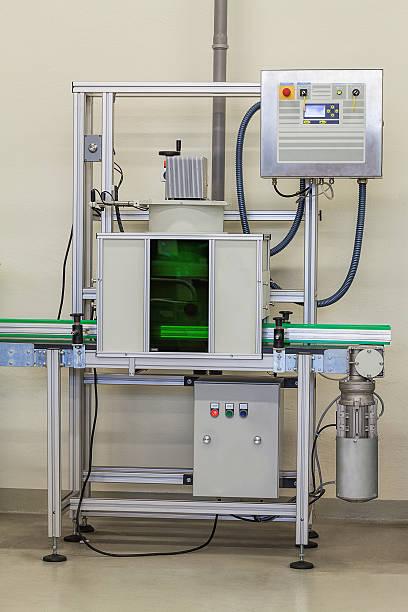
1. Introduction to the Post Induction Inspection System
A Post Induction Inspection System plays an important role in maintaining packaging quality across industries that use induction sealing technology. It helps manufacturers check the quality and consistency of seals after the induction sealing process. Induction Cap Sealing Machine focuses on packaging solutions that support secure bottle sealing and efficient production workflows.
Induction sealing is widely used in pharmaceutical, food, beverage, cosmetic, and chemical packaging. A reliable inspection process helps identify sealing defects before products reach customers. By detecting potential issues early, manufacturers can reduce product wastage, improve packaging consistency, and maintain higher quality standards.
2. Importance of Post Induction Seal Inspection
Checking bottle seals after induction sealing is essential for ensuring packaging integrity. Even when a sealing machine operates correctly, factors such as cap alignment, foil quality, container material, and operating settings may affect the final result.
A post-induction inspection system helps manufacturers identify problems and take corrective action quickly.
Key benefits include:
- Seal Quality Verification: Helps identify improperly sealed caps and visible sealing defects.
- Leakage Prevention: Supports the detection of sealing problems that could lead to leakage during storage or transportation.
- Product Protection: Helps maintain packaging integrity and protect products from external contamination when combined with appropriate quality controls.
- Reduced Product Waste: Early defect identification can minimize rejected products and unnecessary rework.
- Consistent Production: Regular inspection helps maintain uniform packaging quality across production batches.
- Improved Quality Control: Inspection records can help manufacturers identify recurring problems and improve production processes.
These advantages make post-induction inspection valuable for businesses that prioritize product safety, reliability, and packaging performance.
3. Key Features of a Post Induction Inspection System
A suitable inspection system should match the production requirements, packaging materials, container types, and sealing technology used by a manufacturer. Depending on the system design, different inspection methods may be available.
Important features to consider include:
- Automatic Inspection: Automated systems can inspect containers moving along a production line with minimal manual intervention.
- Defect Detection: Suitable inspection technology can identify specific sealing issues, depending on its sensors and detection capabilities.
- Production Line Integration: An inspection system can be integrated with compatible induction sealing machines and conveyor systems.
- Reject Mechanism: Some systems automatically remove containers that fail inspection, helping prevent defective products from moving further down the line.
- User-Friendly Controls: Clear operating controls help operators monitor inspection settings and system performance.
- Performance Monitoring: Selected systems provide production data or inspection records that support quality analysis.
Before purchasing a system from Induction Cap Sealing Machine, manufacturers should confirm the available features, detection methods, inspection speed, and compatibility with their packaging line.
4. Applications Across Different Industries
Post induction inspection systems are useful in industries where container sealing is an important part of product packaging. Their suitability depends on the product, container design, foil liner, and required quality standards.
Common applications include:
- Pharmaceutical Industry: Helps verify packaging quality for bottles containing tablets, capsules, and other suitable products.
- Food and Beverage Industry: Supports seal inspection for jars and bottles containing sauces, beverages, edible oils, and other packaged goods.
- Cosmetic Industry: Helps manufacturers monitor the sealing quality of containers used for creams, lotions, and personal care products.
- Chemical Industry: Supports packaging quality checks for compatible chemical products, subject to appropriate safety requirements.
- Nutraceutical Industry: Helps maintain packaging consistency for containers holding dietary and nutritional products.
Using an appropriate inspection process can improve quality assurance and help manufacturers meet their internal packaging standards.
5. How to Choose the Right Inspection System
Selecting the right post-induction inspection system requires evaluating production needs and packaging specifications. A well-matched solution can improve inspection efficiency while minimizing unnecessary downtime.
Consider these factors before making a decision:
- Production Speed: Choose a system capable of handling the required number of containers per minute.
- Container Compatibility: Confirm that the equipment supports the bottle sizes, shapes, caps, and liners used in production.
- Detection Accuracy: Ask the supplier about the defects the system can reliably identify and how its performance is validated.
- Integration Requirements: Check compatibility with existing conveyors, induction sealers, and rejection mechanisms.
- Maintenance and Support: Evaluate spare-parts availability, maintenance requirements, operator training, and technical assistance.
- Return on Investment: Compare the initial cost with potential savings from reduced waste, improved productivity, and better quality control.
A supplier consultation and production-line evaluation can help determine the most suitable solution for specific packaging requirements.
Conclusion
A Post Induction Inspection System is an important addition to modern packaging operations, helping manufacturers monitor sealing quality, identify defects, and improve production consistency. Induction Cap Sealing Machine can be considered when exploring induction sealing and inspection solutions for different industries. By evaluating system compatibility, inspection accuracy, operating speed, and maintenance needs, businesses can select equipment that supports reliable packaging quality and efficient manufacturing. For more visit us!

 English
 Arabic
 French
 Portuguese
 Deutsch
 Turkish
 Dutch
 Italiano
 Russian
 Romaian
 Portuguese (Brazil)
 Greek
