


Cod Fish Market Outlook: Processing Innovations and Seafood Industry Trends
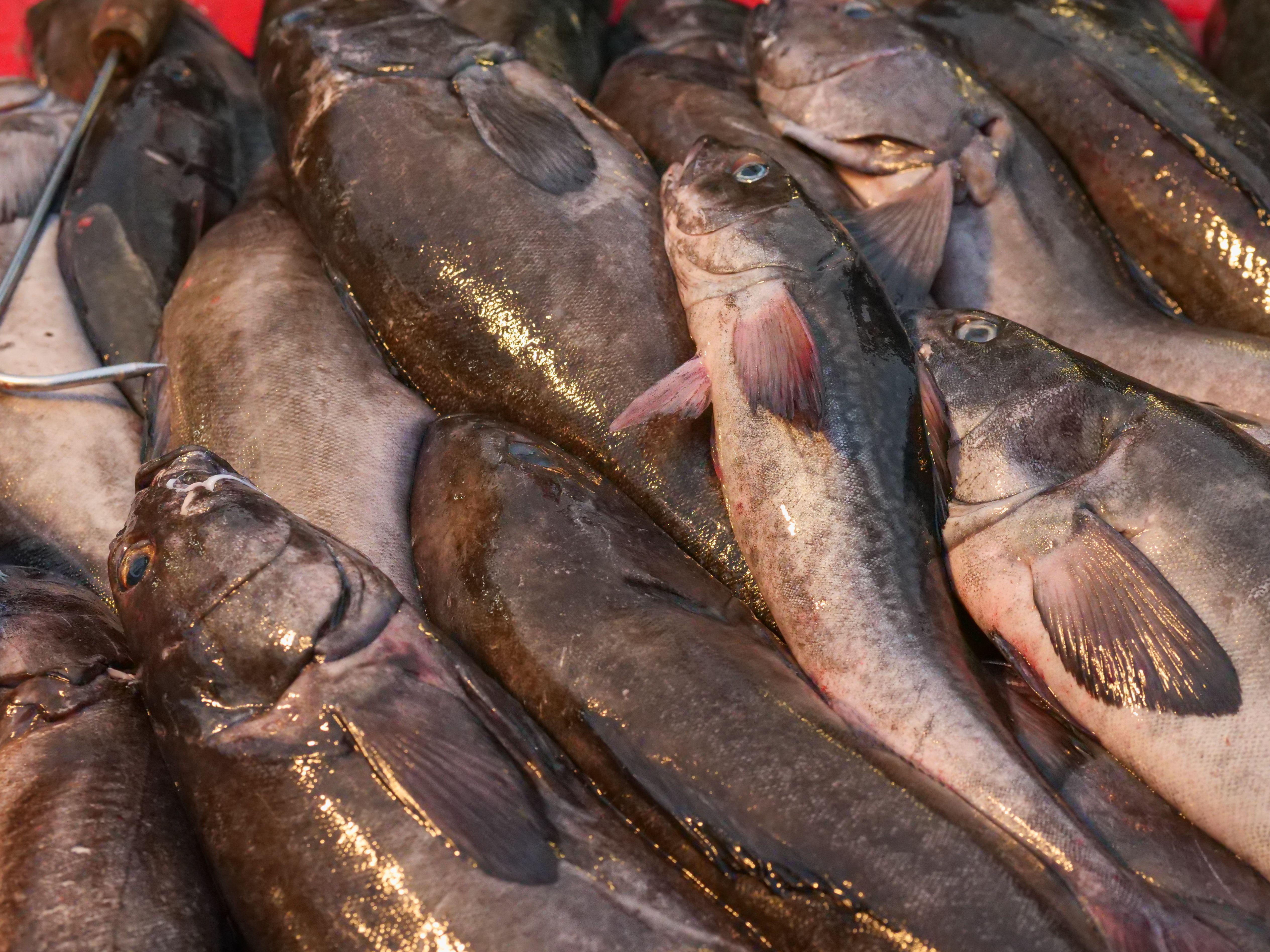
The cod fish market continues to attract attention from seafood businesses because cod can serve a variety of consumer and commercial needs. Its mild flavor, adaptable texture, and suitability for numerous cooking methods make it a familiar ingredient in household meals and professional kitchens. The market includes fresh fish, frozen fillets, processed portions, and prepared seafood products distributed through supermarkets, specialist fish retailers, restaurants, and foodservice suppliers. Each category has different requirements for handling, packaging, storage, and transportation. As businesses respond to changing consumer expectations, operational efficiency and consistent product quality remain important considerations throughout the seafood supply chain.
An emerging area of interest is seafood processing technology, which can help businesses improve product handling, processing consistency, packaging, and inventory management. Modern processing approaches can support standardized portioning and more efficient production workflows when implemented appropriately. Companies are also exploring digital tools to improve traceability, monitor storage conditions, and coordinate product movement. These capabilities can help processors and distributors maintain quality while responding to the needs of retailers and foodservice customers.
Innovations in Cod Processing
Processing plays an essential role in transforming harvested cod into products suitable for different markets. Activities may include cleaning, filleting, trimming, portioning, freezing, packaging, and preparation for distribution. Each step requires appropriate procedures to protect food safety and preserve product quality.
Automation can assist with repetitive processing tasks and help businesses maintain consistent product specifications. Depending on the equipment and production environment, automated systems may improve cutting accuracy, reduce unnecessary handling, and support more efficient workflows. However, effective implementation requires staff training, equipment maintenance, hygiene controls, and regular quality checks.
Standardized portioning can be especially useful for restaurants, catering companies, and packaged food manufacturers. Consistent portions simplify menu planning and preparation while helping buyers maintain predictable product specifications. Processors can also develop customized cuts to serve customers with different cooking and presentation requirements.
Cold Chain Management and Product Quality
Cod is a perishable product, making temperature management essential throughout its journey from processing facilities to consumers. Refrigerated storage, suitable packaging, and dependable transportation help preserve product quality and support food safety.
Frozen cod provides an option for extending storage life when freezing and storage procedures are properly managed. It also allows suppliers to distribute products across wider geographical areas without depending entirely on immediate consumption. Retailers can use frozen formats to maintain product availability and offer consumers greater flexibility in meal planning.
Cold chain monitoring tools can help businesses identify temperature deviations and improve oversight of storage conditions. Inventory management systems can also support better coordination between warehouses, distribution centers, and retail outlets. These approaches may reduce avoidable spoilage and improve the consistency of customer deliveries.
Nevertheless, technology alone cannot guarantee quality. Businesses must establish suitable procedures, monitor equipment performance, and ensure that employees understand the importance of proper handling.
Packaging Developments and Convenience
Packaging has become an important element of product presentation and usability in the seafood sector. Consumers often want clear product information, straightforward storage instructions, and packaging that makes handling easier. Businesses must balance these expectations with requirements for product protection, food safety, transportation, and environmental considerations.
Portion-controlled packages can help households prepare meals without handling more fish than necessary. Resealable formats, where appropriate for the product, may also improve storage convenience. For retailers, clear labels can support product identification and help customers distinguish between fresh, frozen, seasoned, and prepared cod options.
Processors may also consider packaging materials that reduce unnecessary material use while maintaining the protective properties needed for seafood. Decisions must account for practical performance rather than focusing on packaging appearance alone.
Digital Traceability and Supply Chain Coordination
Traceability systems can help companies record product movement from suppliers through processing, storage, and distribution. Reliable records support product identification and can make it easier to investigate quality concerns or respond to product recalls when necessary.
Digital inventory tools can provide greater visibility into stock levels, delivery schedules, and product availability. For distributors, this information can improve planning and coordination with retailers. For processors, it can help align production schedules with customer requirements.
Traceability can also contribute to sourcing transparency. Businesses may use verified records to explain product origins and demonstrate compliance with applicable regulations. Accurate documentation is particularly valuable when customers and commercial buyers require more information about seafood sourcing.
Future Prospects for the Cod Fish Market
The future direction of the cod fish market will depend on several interconnected factors, including fish availability, consumer preferences, sustainability practices, processing efficiency, and competition from other seafood options. Companies that invest in suitable technology and maintain strong quality controls may be better equipped to manage operational challenges.
Value-added products provide another potential opportunity. Ready-to-cook fillets, coated portions, seasoned seafood, and meal components can serve customers who prioritize convenience. Restaurants may also use menu innovation to introduce cod in new culinary formats.
Ultimately, processing innovation can support the cod fish market when it improves product consistency, operational reliability, and supply chain transparency. Combining technology with responsible sourcing and careful quality management can help businesses adapt to the changing seafood industry.
Frequently Asked Questions
FAQ 1: How can processing technology benefit the cod fish market?
Processing technology can support consistent portioning, efficient production, improved packaging, inventory coordination, and quality monitoring throughout the seafood supply chain.
FAQ 2: Why is cold chain management important for cod?
Proper temperature control helps maintain product quality, supports food safety, and reduces the risk of spoilage during storage and transportation.

 English
 Arabic
 French
 Spanish
 Portuguese
 Deutsch
 Dutch
 Italiano
 Russian
 Romaian
 Portuguese (Brazil)
 Greek
