


Equipment Bag Build Guide: ISEN on Rigid and Soft Bases
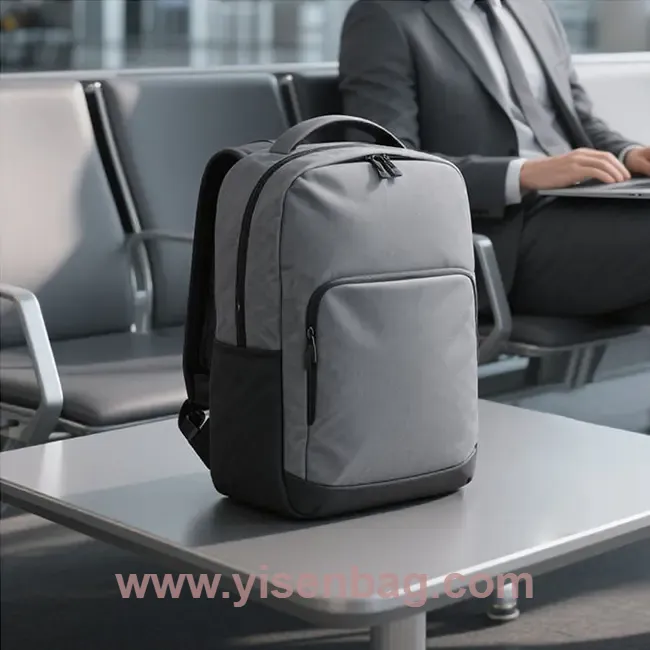
Job sites rarely offer clean, dry, level ground, and the base of an Equipment Bag absorbs that reality first. Mud, gravel, standing water, sharp debris, and repeated lifting all press against the bottom panel before anything else touches the load inside. Brand owners and sourcing teams weigh a rigid base against a soft bottom because that single decision shapes durability, weight, and how the bag behaves in daily use. Working with an experienced Equipment Bag manufacturer such as yisenbag helps clarify which structure suits a given market, since base design connects directly to fabric choice, panel reinforcement, and production cost. So which base type actually holds up when the site turns rough?
What a Rigid Base Delivers on Site
A rigid base panel, usually built from PE board, EVA sheet, or a molded insert, spreads load across the full footprint of the bag. That distribution keeps heavy tools from punching through the bottom fabric and stops the bag from sagging when set down on uneven ground. A hard base also lifts the bag body above puddles and wet concrete, which matters on sites where moisture sits for hours. The trade-off shows up in weight and packing volume, since a rigid panel adds bulk and limits how flat the bag folds for storage or shipping.
Where a Soft Bottom Makes Sense
A soft bottom keeps the bag light and flexible, which suits crews who carry equipment short distances and pack bags into tight vehicle spaces. Soft construction folds flat, stacks easily, and costs less to produce, so it fits promotional programs and budget-sensitive product lines. The weakness appears at the corners and seams, where abrasion and moisture attack first. Reinforcement at those points, through bar-tack stitching, doubled fabric, or a small abrasion patch, extends service life without turning the whole base rigid.
Matching Base Type to Real Site Conditions
The right answer depends on how the bag gets used rather than on a single universal rule. Crews working on concrete and asphalt with heavy instruments benefit from a rigid base that resists impact and keeps contents stable. Field teams moving across soft ground, climbing, or packing bags into compact vehicles lean toward a soft bottom with reinforced corners. Many successful products combine both approaches, using a rigid insert that remains removable so the bag converts between structured and flexible modes. ISEN builds base structures around the intended scenario, then tests them against the loads and surfaces the product will actually meet.
Production Details That Decide Long-Term Performance
Base performance comes down to construction details rather than the panel material alone. Stitching density along the bottom seam, the way the base panel attaches to the side panels, and the choice of coating all affect how the bag survives repeated contact with rough ground. A rigid base needs clean panel edges and secure attachment so the insert does not shift or wear through the lining. A soft bottom needs reinforced corners and a water-resistant treatment that reaches the seam line. Sampling reveals these details early, and the approved prototype becomes the reference for bulk production.
Guidance for Brands Building Equipment Bag Lines
Brands entering the tool and equipment category face a crowded market where base construction often decides repeat purchase. A bag that fails at the bottom loses the customer regardless of how well the upper body performs. Working with a factory that studies site conditions and translates them into panel specification shortens development and reduces returns. ISEN handles base design, material selection, sampling, and bulk production as one connected process, and the factory profile at https://www.yisenbag.com/product outlines the development support available to brands planning equipment bag programs. A base panel that matches the ground it meets keeps tools protected and keeps customers returning.

 English
 Arabic
 French
 Spanish
 Portuguese
 Deutsch
 Turkish
 Dutch
 Italiano
 Russian
 Portuguese (Brazil)
 Greek
