


VEYA Foundation Powder Factory for Custom Powder Formulations
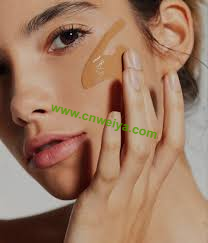
Understanding the Requirements of Vegan Makeup
Vegan makeup development involves more than replacing a familiar ingredient with a plant-derived alternative, since every component must suit the product's intended texture, appearance, stability, and application experience. A Foundation Powder Factory working with brands on customized formulas needs to evaluate the entire composition, from pigments and powder bases to binding agents and surface treatments, while cnweiya offers a starting point for businesses exploring cosmetic development and OEM/ODM manufacturing services. For brands planning a vegan complexion product, the central question is how to create a formula that reflects ingredient preferences while delivering the finish, coverage, and comfortable application expected by its target customers.
Vegan cosmetics are generally formulated without animal-derived ingredients, but brands still need to examine the origin and documentation of each raw material rather than relying on an ingredient name alone. Certain materials may have different commercial sources, and processing aids or minor components can also affect a product's suitability for a particular brand standard. A clearly defined ingredient brief helps the development team identify restrictions early, request supplier documentation, and evaluate alternatives before a formula moves into sampling.
It is also important to distinguish vegan positioning from other claims. A vegan formula does not automatically mean that a product is organic, hypoallergenic, natural, or suitable for every skin type. Cruelty-free claims concern animal testing practices and require their own verification. Brands should therefore establish which claims they intend to make, what evidence will support them, and which regulations apply in the markets where the finished product will be sold.
Selecting Ingredients and Designing Powder Texture
Ingredient selection influences the way a foundation powder spreads across the skin, adheres to the complexion, and appears under different lighting conditions. Mineral powders, pigments, absorbent materials, and suitable binding ingredients may contribute to the final characteristics, depending on the formulation. Their proportions and interactions need to be assessed together because a change intended to improve one property can affect another, such as the balance between coverage, softness, oil absorption, and ease of blending.
For example, a formula intended for a matte finish may require a different combination of powders from one designed to create a soft, radiant appearance. Products intended for oily skin may prioritize a controlled, less shiny finish, while formulations for dry skin may need to pay particular attention to visible texture and the way powder settles on the complexion. These are formulation goals rather than universal promises, and the final result depends on the ingredients, product design, application method, and individual skin characteristics.
Particle size and distribution also influence the sensory experience. A powder that feels smooth in a container may behave differently when applied with a brush, puff, or sponge. During development, the team can evaluate spreadability, adhesion, visible coverage, dusting, and the consistency of the finish. These observations help determine whether the selected powder base supports the intended use, whether that means a light everyday look or a more defined complexion.
Matching Shade, Coverage, and Application
Shade planning is an essential part of customized complexion makeup because customers may have different undertones, depth preferences, and expectations for coverage. A brand should identify its intended audience before confirming the shade range, taking into account how colors appear under natural light and indoor lighting. Sample review can help teams assess whether the shades are visually distinct, whether undertones are represented appropriately, and whether the powder blends into the complexion as intended.
Coverage should also be considered alongside texture. A formula designed for sheer coverage may focus on an even appearance and a lightweight feel, whereas a fuller-coverage product may require a different pigment balance and application behavior. The goal is to align the formula with the brand brief instead of assuming that every vegan powder should deliver the same result.
Application tools can influence how the product performs in daily use. A brush may distribute powder lightly across a broad area, while a puff can deposit product more directly onto selected areas. Product testing should therefore consider the recommended application method, the amount picked up by the tool, and how easily the powder can be layered without creating an uneven appearance. Clear instructions can also help customers understand the intended finish and use the product consistently.
Testing, Production, and Quality Management
A customized formula needs to be assessed beyond its initial appearance. Laboratory and product evaluations may include checks for color consistency, texture, odor, stability, packaging compatibility, and relevant microbiological or chemical requirements. The exact testing plan depends on the formula, packaging, intended market, and applicable regulations, so brands should discuss the required documentation and acceptance criteria with their manufacturing partner.
Stability assessment is particularly relevant when a formula or package is changed. Heat, humidity, storage conditions, and transport can influence powder products and their packaging components. Evaluating samples under appropriate conditions helps the development team identify potential changes in appearance, texture, compactness, or dispensing behavior before the product is prepared for commercial release.
Batch consistency is another important consideration for private label projects. Variations in pigments, raw material properties, blending conditions, or pressing parameters may influence the appearance and behavior of a finished powder. Written specifications, documented production procedures, incoming material checks, and finished-product inspections provide a framework for monitoring these variables. Brands should agree on the relevant criteria before bulk manufacturing so that both parties have a shared reference for evaluating each production batch.
Packaging deserves attention during the same process. A compact case, loose powder container, applicator, mirror, or outer carton can affect product presentation and daily convenience. Buyers should consider how the package opens, how easily the powder can be accessed, whether it can withstand normal handling, and how the design communicates the brand's identity. Material choices and labeling should also be reviewed against the brand's sustainability goals and local requirements.
Developing a Customized Vegan Makeup Project
A successful custom project begins with a practical brief rather than a broad request for a vegan product. Brands can outline their target customers, preferred finish, coverage level, shade range, ingredient restrictions, package format, price positioning, and intended sales markets. Providing reference products or samples can help communicate expectations, although the final formula should be evaluated on its own performance and compliance requirements rather than treated as an automatic copy of the reference.
During sample development, the brand should review the formula under realistic use conditions and collect structured feedback. Useful observations include how the powder feels on application, whether it blends evenly, how the shade appears after application, and whether the packaging suits the intended customer. Any requested changes should be documented so that the next sample can be evaluated against clear criteria. This process makes communication more precise and helps avoid confusion when the project moves toward production.
VEYA provides cosmetic OEM/ODM services, product development, customization, and sample support through its business offering. Brands exploring a private label project can review the company's services and product categories, then prepare a brief that explains the desired formula, packaging, shade direction, and market requirements. A clear discussion at the beginning gives the development team a practical basis for assessing feasibility, coordinating samples, and defining the specifications required for manufacturing.
For brands planning a vegan complexion line, a reliable Foundation Powder Factory can help clarify formula preferences, packaging choices, shade requirements, and production specifications. Through cnweiya, buyers can visit https://www.cnweiya.com/product to explore VEYA's cosmetic manufacturing services and discuss their project requirements, including the intended finish, coverage, ingredient criteria, and packaging concept. Sharing these details helps the team assess development needs, coordinate sample evaluations, and identify suitable production arrangements for the proposed makeup collection.

 English
 Arabic
 French
 Spanish
 Portuguese
 Deutsch
 Turkish
 Dutch
 Italiano
 Russian
 Romaian
 Portuguese (Brazil)
