


The Future of Agriculture: Autonomous Equipment and Smart Farms
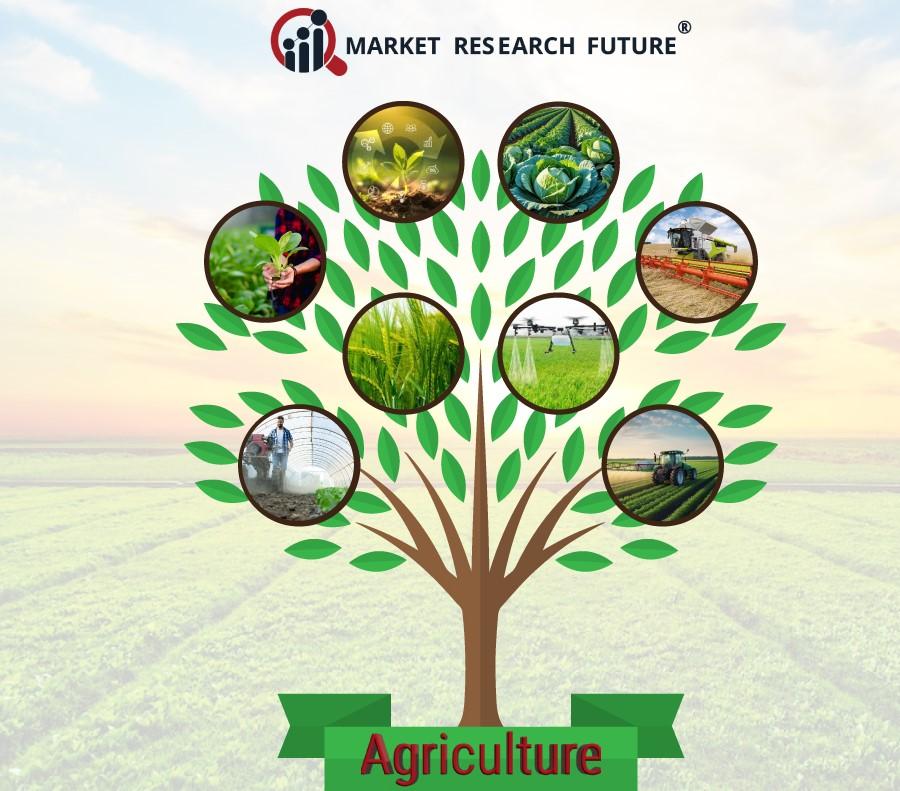
Autonomous Farm Equipment Market is becoming an important part of the wider conversation about digital agriculture and the future of farm operations. Farmers face a combination of challenges, including unpredictable weather, time-sensitive fieldwork, labour availability, and the need to manage equipment efficiently. Autonomous machinery offers one approach to addressing selected operational demands by combining mechanical equipment with sensors, navigation systems, and automated controls. Its role is not to remove the need for agricultural expertise, but to help farm teams perform certain tasks with a different balance of human supervision and machine assistance.
The connection between automation and smart farming equipment and precision agriculture is becoming increasingly important as farms explore data-supported decision-making. Autonomous machines may use positioning information, cameras, and other sensors to navigate fields or carry out specific activities. When integrated with farm planning, these capabilities can help operators coordinate work and review machine performance. The value depends on how well the technology suits the crop, terrain, farm layout, and operating schedule. Successful implementation requires realistic expectations, appropriate training, and a clear understanding of the machine's capabilities.
Smart farms rely on coordination between equipment, people, and information. A farm manager may need to schedule planting, monitor crop conditions, arrange maintenance, and manage several machines within a limited period. Autonomous equipment can contribute to this process by handling defined tasks or sharing operating information with compatible systems. Yet coordination becomes difficult when software platforms cannot exchange information or when alerts are hard to interpret. Farmers should therefore consider the complete management environment before choosing a machine. Compatibility, usability, and reliable technical support can determine whether automation simplifies operations or introduces additional complexity.
One important application is the automation of repetitive fieldwork. Depending on their design, autonomous tractors and robotic platforms may support activities such as seeding, spraying, mowing, monitoring, or transporting materials. Repeating a planned task consistently can be useful where conditions and operating requirements are suitable. However, field environments can change quickly, and automated systems may not handle every unexpected situation independently. Farmers need clear procedures for supervision, emergency stops, obstacle management, and manual intervention. Equipment should be selected according to the task it can perform safely and reliably rather than the broadest claims about autonomy.
Sustainability goals may also influence how farms evaluate autonomous machinery. Accurate route planning and controlled task execution can create opportunities to examine fuel use, field traffic, and the application of agricultural inputs. In some settings, targeted operations may help reduce unnecessary activity. These outcomes are not automatic, however, and they depend on the machine, the agricultural practice, field conditions, and the quality of management decisions. Farmers can assess performance by keeping operational records and comparing results with their existing methods. A practical evaluation helps distinguish measurable benefits from assumptions associated with new technology.
The workforce implications of automation deserve attention as well. As machines take on selected activities, farm workers may need additional skills in digital operation, maintenance, monitoring, and equipment coordination. Training can help employees understand automated controls and recognise when a machine requires assistance. Farmers and employers should treat this transition as an investment in capability rather than assuming that advanced machinery can operate effectively without skilled people. Clear responsibilities and safety procedures remain essential, particularly when autonomous equipment operates near workers, vehicles, livestock, or members of the public.
Adoption will also depend on affordability and the ability to maintain equipment locally. Farms need to evaluate purchase or leasing costs alongside software, servicing, spare parts, connectivity, and training. Access to qualified technicians may be especially important when specialised electronic systems are involved. Some businesses may prefer contractor services or shared equipment before making a larger investment. Manufacturers can encourage informed decisions by offering demonstrations, transparent operating requirements, and support plans that reflect the needs of different customers. Flexible adoption options may help farms test a technology before expanding its use.
The future of the Autonomous Farm Equipment Market will be shaped by the combination of technological progress and practical agricultural experience. Improvements in navigation, sensors, machine coordination, and user interfaces may expand the range of suitable applications. However, safety, interoperability, data management, affordability, and dependable servicing will continue to influence adoption. Farmers are likely to benefit most from selecting technologies that address clearly defined operational challenges and measuring their performance over time. When autonomous machinery is introduced with appropriate oversight and realistic expectations, it can become a useful component of a broader smart farming strategy.
FAQs
How does autonomous equipment support smart farming?
It can automate selected tasks and provide operational information for farm management.
Can autonomous machinery improve sustainability?
It may support more precise operations, but results depend on equipment and farming practices.
What should farmers consider before adopting it?
They should assess costs, safety, compatibility, training, maintenance, and suitability for their fields.

 English
 French
 Spanish
 Portuguese
 Deutsch
 Turkish
 Dutch
 Italiano
 Russian
 Romaian
 Portuguese (Brazil)
 Greek
