


How to Choose Stylish Pakistani Wedding Dresses for Your Special Day
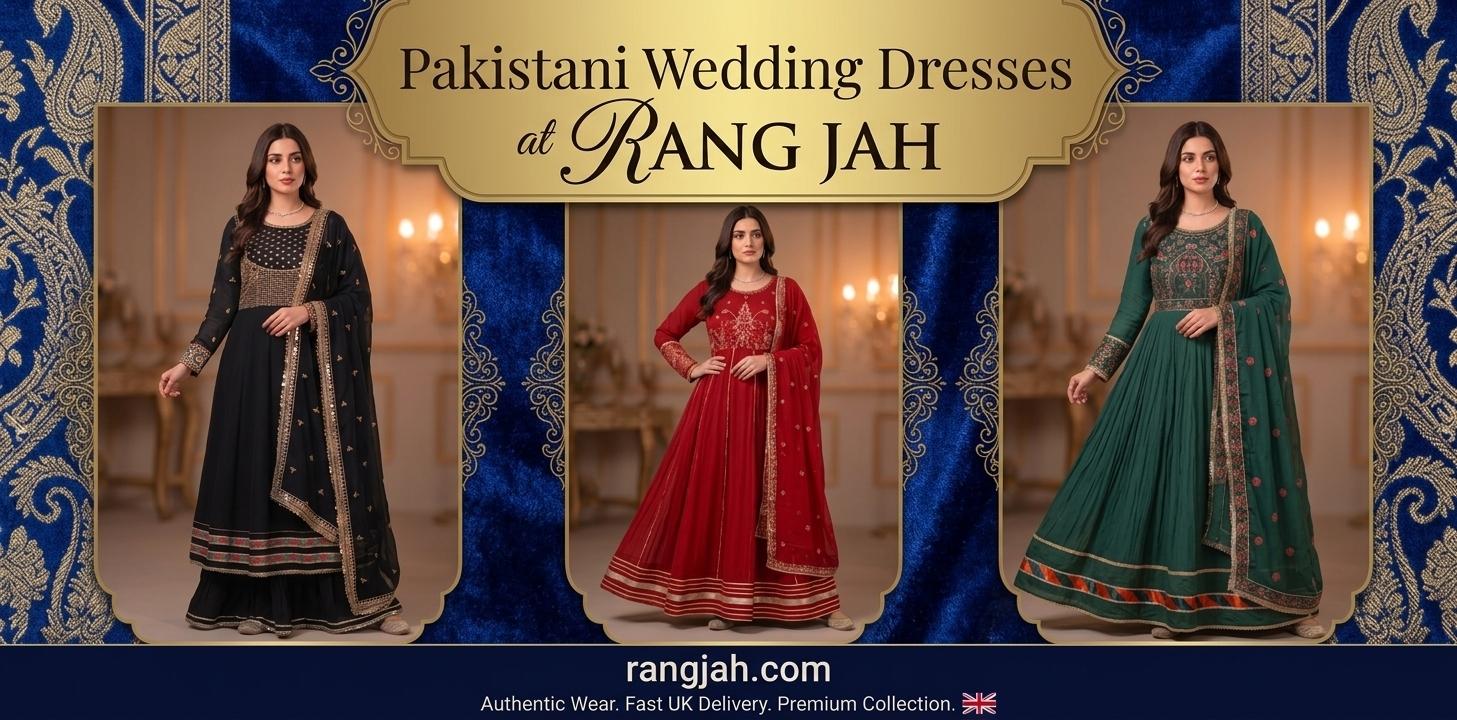
Your wedding day is a beautiful opportunity to celebrate love, family and cultural traditions through fashion that reflects your personality. From luxurious fabrics to intricate embroidery, every detail can help create a memorable bridal look. Choosing the right Pakistani Wedding Dresses means balancing traditional elegance with modern trends, ensuring you feel confident, comfortable and beautiful throughout your special celebration.
1. Choose a Dress That Matches Your Wedding Theme
Before selecting your outfit, consider the style and atmosphere of your wedding. A grand traditional ceremony may call for a richly embroidered bridal lehenga, while an intimate celebration might suit a graceful long shirt with a flowing dupatta.
For a classic bridal appearance, consider traditional red, maroon or deep burgundy. If you prefer contemporary fashion, explore champagne, ivory, blush pink, sage green or pastel blue. These colours offer a fresh, sophisticated look while preserving the elegance of South Asian bridal fashion.
Your outfit should complement the venue, season and overall wedding theme. Coordinating your dress with jewellery, footwear and other accessories will help create a polished appearance without making your look feel overwhelming.
2. Select the Right Fabric for Comfort and Elegance
Fabric plays an important role in how a wedding outfit looks, feels and moves. Choosing the right material can make a significant difference, especially when your celebration includes several hours of ceremonies, photographs and social gatherings.
Popular fabric choices include:
-
Silk: Ideal for luxurious bridal outfits with a rich, traditional finish.
-
Chiffon: A lightweight option for flowing dupattas and graceful silhouettes.
-
Organza: Perfect for structured designs, delicate layers and statement sleeves.
-
Velvet: An elegant choice for winter weddings and evening celebrations.
-
Net: Suitable for decorative overlays, embellished dupattas and layered skirts.
-
Jamawar: A traditional fabric that adds texture and a regal appearance.
Consider the weather and venue before making your decision. Breathable fabrics can be more comfortable for summer celebrations, while velvet and heavier materials may suit colder months.
3. Find a Silhouette That Flatters Your Style
The most stylish outfit is one that makes you feel comfortable and confident. Rather than following every fashion trend, choose a silhouette that suits your preferences, body proportions and the type of celebration.
A traditional lehenga creates a dramatic bridal appearance, particularly when paired with a detailed blouse and an embellished dupatta. An Anarkali suit offers a flowing shape with graceful movement, making it suitable for formal ceremonies. A long embroidered shirt with a wide-leg trouser creates a sophisticated alternative for women who prefer a more contemporary look.
A beautifully tailored Pakistani Salwar Kameez can also work well for wedding-related events, including family gatherings, engagement celebrations and smaller festive occasions.
Pay attention to the neckline, sleeve length, waist placement and overall fit. If alterations are required, arrange them well before the wedding so you have enough time for adjustments.
4. Choose Embroidery and Details Carefully
Embroidery can transform a simple outfit into an exceptional occasion-wear design. Traditional craftsmanship often features zari, zardozi, dabka, sequins, pearls, beads and delicate threadwork.
For a regal appearance, consider intricate embroidery across the bodice, sleeves and hemline. Floral patterns can create a romantic aesthetic, while geometric motifs offer a more structured, modern finish.
However, more embellishment does not always mean a better outfit. If your dress features detailed embroidery, choose simpler accessories to maintain balance. Alternatively, a minimalist outfit can look stunning with statement earrings, an embellished clutch or an ornate dupatta.
When shopping, examine the finishing, lining, stitching and quality of decorative details. These elements contribute to the overall appearance and durability of your outfit.
5. Explore Modern and Traditional Bridal Trends
Contemporary bridal fashion offers plenty of opportunities to combine heritage with personal style. Traditional craftsmanship remains popular, while modern cuts, softer colours and understated detailing allow women to create distinctive looks.
Current style directions worth exploring include pastel bridal outfits, monochrome ensembles, embellished capes, statement sleeves, layered dupattas and coordinated separates.
For women attending wedding celebrations as guests, Pakistani Formal Wear provides versatile options ranging from embroidered three-piece suits to elegant long dresses. Selecting a design that suits the event's dress code helps you look appropriately dressed while expressing your individual taste.
The key is to choose trends that complement your personality rather than purchasing an outfit simply because it is fashionable. Timeless designs often remain appealing long after the wedding photographs have been taken.
6. Coordinate Accessories, Jewellery and Makeup
Accessories complete your wedding look and help connect the different elements of your outfit. For traditional bridal styling, consider jhumkas, a statement necklace, a maang tikka, bangles or a coordinated bridal set.
Your jewellery should complement the neckline and embroidery. A heavily embellished neckline may look best with statement earrings and a lighter necklace, while a simpler neckline offers more flexibility for layered jewellery.
Footwear deserves equal attention. Choose shoes that complement your outfit and allow you to walk comfortably throughout the celebration. A matching clutch or potli bag can add a finishing touch.
For makeup, consider the event's timing, lighting and overall colour palette. Soft, glowing makeup may complement a pastel ensemble, while a bold lip and defined eyes can enhance a traditional evening look.
7. Shop Early and Set a Realistic Budget
Planning ahead gives you more time to compare designs, check sizing and arrange alterations. Begin by deciding how much you want to spend on the dress, jewellery, footwear and other accessories.
When shopping online, review the size guide, fabric information, product photographs and delivery estimates. Check whether the outfit arrives ready to wear or requires stitching. These details are particularly important when ordering from another country.
If you are exploring Pakistani Dresses Online UK, compare styles, quality, sizing options and delivery policies before making a purchase. Choose a retailer that provides clear product descriptions and helpful customer information.
Rang Jah offers a selection of Pakistani and Asian fashion for women seeking elegant outfits for weddings, parties and festive occasions. Exploring different designs can help you discover an outfit that suits your personal style, budget and celebration.
8. Make Your Wedding Outfit Personal
Your wedding outfit should reflect your story, preferences and cultural traditions. You might choose a family-inspired colour, incorporate meaningful jewellery or select embroidery that reflects the craftsmanship you admire.
Try your complete look before the wedding, including your dress, footwear, accessories and hairstyle. This gives you time to identify anything that needs adjusting and ensures each element works together.
Remember that confidence is one of the most important parts of bridal styling. A thoughtfully chosen outfit that fits well and feels comfortable will help you enjoy your special day without constantly worrying about your appearance.
Frequently Asked Questions
1. How do I choose the best Pakistani wedding dress?
Consider your wedding theme, preferred colours, fabric, silhouette, budget and comfort. Choose an outfit that reflects your personality and suits the formality of your celebration.
2. Which colours are popular for Pakistani bridal outfits?
Red, maroon and burgundy remain classic choices. Ivory, champagne, blush pink, pastel green and soft blue are also attractive options for contemporary bridal styling.
3. Which fabric is best for a wedding dress?
Silk, chiffon, organza, velvet, net and Jamawar are popular options. The best fabric depends on the season, venue, design and level of comfort you prefer.
4. How early should I buy my wedding outfit?
Ideally, begin shopping several months before your wedding. This allows time to compare designs, arrange tailoring, check the fit and complete any necessary alterations.
5. How can I style a traditional wedding dress with a modern touch?
Experiment with contemporary colours, refined jewellery, statement sleeves, modern cuts or a distinctive dupatta drape while retaining traditional embroidery and craftsmanship.
6. What should I check before ordering a wedding dress online?
Review the size chart, fabric details, embroidery, product images, delivery estimates and return policy. Confirm whether the outfit is ready to wear or requires additional tailoring.
Final Thoughts
Choosing the perfect wedding outfit involves more than following fashion trends. It is about finding the right combination of colour, craftsmanship, fit and personal expression. By considering your wedding theme, selecting suitable fabrics, coordinating accessories and planning your purchase early, you can create a look that feels elegant and authentic.
Explore different designs, embrace the traditions that matter to you and choose an outfit that allows you to celebrate every moment with confidence. The right dress will help make your special day even more memorable.

 English
 Arabic
 Spanish
 Portuguese
 Deutsch
 Turkish
 Dutch
 Italiano
 Russian
 Romaian
 Portuguese (Brazil)
 Greek
