


How to Choose and Use Wrenches: A Practical Guide for Beginners and Professionals
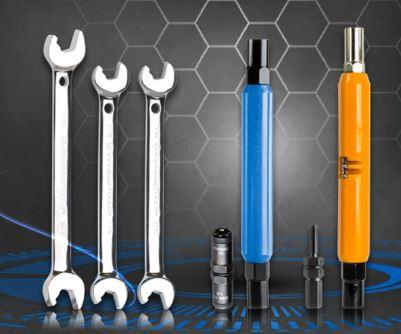
Wrenches are essential hand tools for tightening and loosening nuts, bolts, and other fasteners. From assembling equipment to maintaining electrical installations and communication systems, the right wrench helps technicians complete fastening tasks with better control and less effort.
However, not every wrench is designed for the same job. Some are made for specific fastener sizes, while others offer adjustable jaws or specialized heads that make it easier to work in confined spaces. Understanding these differences is the first step toward choosing the right tool.
Whether you are an electrician, telecommunications technician, CATV installer, or maintenance professional, this guide explains how to select and use wrenches effectively, with practical tips for everyday work.
Step 1: Understand the Different Types of Wrenches
Before selecting a wrench, identify the fastener you need to work with and consider the space available around it. Different wrench designs offer different advantages.
Adjustable Wrenches
Adjustable wrenches feature a movable jaw that changes the opening size to fit different nuts and bolts. This makes them convenient for technicians who regularly encounter fasteners of varying sizes.
Many adjustable wrench tools include a thumbwheel for adjusting the jaw opening. Some models also feature extra wide jaws, allowing a relatively compact wrench to grip larger fasteners.
These tools are useful for general maintenance, equipment installation, and field service tasks. However, they should not automatically replace fixed size wrenches, especially when a fastener requires high torque or repeated tightening.
Speed Wrenches
Speed wrenches are designed to make repetitive fastening tasks more convenient. Depending on the design, their specialized heads can help users tighten or loosen compatible nuts and bolts without repeatedly removing the wrench from the fastener.
Some models feature angled heads that improve access around connectors and other components.
They can be particularly useful for technicians working with communication equipment, cable connections, and installation hardware.
Torque Wrenches
Torque wrenches are designed to apply a specified amount of rotational force to a fastener. They are useful when equipment manufacturers require connections to be tightened to a particular torque value.
In telecommunications work, for example, certain connectors must be tightened according to manufacturer specifications to help prevent damage or unreliable connections.
A standard adjustable wrench is not a substitute for a torque wrench when precise torque is required.
Specialty Wrenches
Specialty wrenches are designed for specific applications, fastener shapes, or equipment requirements. These may include can wrenches and lineman's wrenches used in telecommunications and utility work.
Choosing a specialty wrench can make a task easier when a standard wrench does not provide the correct fit or access.
Step 2: Select the Correct Wrench Size
Choosing the right size is one of the most important parts of using a wrench correctly. A wrench that is too large or too small may slip, damage the fastener, or make the job more difficult.
Follow these steps when selecting a wrench:
-
Identify the nut or bolt you need to turn.
-
Determine the fastener's size and whether it uses metric or imperial measurements.
-
Select a wrench that matches the fastener.
-
Check that the wrench sits securely on the fastener before applying force.
-
Confirm that you have enough clearance to move the handle safely.
For adjustable wrenches, turn the thumbwheel until the jaws fit snugly around the fastener. Avoid leaving excessive space between the jaws and the fastener's flat surfaces.
Jonard Tools offers adjustable wrenches in multiple lengths, including 4 inch, 6 inch, 8 inch, 10 inch, and larger options. Models with extra wide jaws may provide greater capacity when space and fastener requirements allow.
Step 3: Learn How to Use Adjustable Wrench Tools Correctly
Adjustable wrenches are versatile, but using them properly is important for both safety and performance.
Position the jaws securely
Open the jaws slightly wider than the fastener, place the wrench over it, and adjust the opening until the jaws fit snugly.
A secure fit helps prevent slipping and reduces the risk of rounding off the fastener's edges.
Apply force in the correct direction
Whenever possible, position the wrench so that the applied force loads the fixed jaw rather than forcing the movable jaw to take the main load. Follow the tool manufacturer's instructions for safe use.
Use steady pressure and maintain a stable grip. Avoid sudden movements that could cause the wrench to slip.
Avoid excessive force
Adjustable wrenches are convenient for many general purpose tasks, but they are not intended for every heavy duty application.
Do not strike the wrench with a hammer, add an extension to its handle, or use it to force a seized fastener loose. Select a suitable fixed size or specialty wrench when the job requires greater force.
If a fastener requires a specified torque, use the appropriate torque wrench.
Step 4: Choose the Right Wrench for Your Industry
The best wrench depends on the type of work you perform.
Electrical technicians: Adjustable wrenches can be useful for suitable mechanical fasteners during equipment installation and maintenance. Follow electrical safety procedures and never assume a standard metal wrench is safe to use near energized parts.
CATV and telecommunications technicians: Speed wrenches and appropriately sized specialty wrenches can help with compatible connectors, mounting hardware, and equipment fittings.
Fiber optic installers: Wrenches may be useful for compatible mounting hardware and equipment assemblies. Use the correct tools for delicate optical components and follow equipment specific requirements.
Field service professionals: A combination of adjustable and fixed size wrenches can provide flexibility when working with different fasteners at customer sites.
Maintenance technicians: The right selection depends on the machinery, fittings, and fastening requirements involved in routine service work.
Before choosing a wrench, consider the fastener type, required torque, available clearance, and frequency of use.
Step 5: Check Important Features Before Buying
When comparing wrenches, look beyond the overall size and appearance. Several features can influence their usefulness during daily work.
-
Jaw capacity: Make sure the wrench can accommodate the fasteners you regularly encounter.
-
Material and construction: Forged and heat treated steel can provide strength and durability when manufactured for the intended application.
-
Adjustment mechanism: A smooth, precise thumbwheel makes it easier to fit adjustable jaws accurately.
-
Handle design: Comfortable grips can improve handling during repetitive tasks.
-
Measurement markings: Metric and imperial scales can make jaw adjustment quicker and more convenient.
-
Head design: Angled or specialized heads can help when working around obstacles or in restricted spaces.
For example, Jonard Tools adjustable wrench range includes models made from high carbon steel or chrome vanadium steel, depending on the product, with features such as extra wide jaws and measurement scales. Check each product's specifications to confirm the details for the model you are considering.
Step 6: Avoid Common Wrench-Handling Mistakes
A few simple habits can help prevent damage to tools and fasteners.
First, avoid using a wrench with loose or damaged jaws. Excessive play in an adjustable mechanism can reduce grip and increase the chance of slipping.
Second, never use pliers as a substitute for a properly fitting wrench when turning a hexagonal fastener. Pliers may damage the fastener's edges.
Third, do not assume that a longer handle is always better. Applying excessive leverage can damage the fastener or tool.
Finally, avoid using the wrong wrench for torque sensitive connections. Follow the equipment manufacturer's specified tightening procedure whenever one is provided.
Step 7: Maintain Your Wrenches for Reliable Performance
Regular maintenance helps keep wrenches in good working condition.
After use, remove dirt, grease, and residue from the tool. Store wrenches in a dry toolbox or pouch to reduce exposure to moisture.
For adjustable models, inspect the movable jaw and thumbwheel to ensure the mechanism operates smoothly. Check fixed wrench openings for wear, cracks, or deformation.
If a wrench is damaged or no longer grips a fastener securely, remove it from service. Avoid attempting repairs that could compromise its strength or function.
Keeping tools organized by size and type also makes it easier to select the correct wrench quickly and identify missing equipment.
Final Thoughts
Choosing and using wrenches correctly starts with understanding the fastener, selecting the appropriate design, and checking the tool's capacity. Adjustable wrenches offer flexibility for different fastener sizes, while speed wrenches, torque wrenches, and specialty designs support more specific requirements.
For professionals working in electrical, telecommunications, CATV, and maintenance environments, matching the wrench to the task can help improve efficiency and reduce avoidable damage.
Explore the Jonard Tools Wrenches collection to compare adjustable wrenches, speed wrenches, torque wrenches, and other specialized options. By selecting the right tool and following good working practices, you can build a dependable toolkit for everyday installation and maintenance work.

 English
 Arabic
 French
 Spanish
 Portuguese
 Turkish
 Dutch
 Italiano
 Russian
 Romaian
 Portuguese (Brazil)
 Greek
