


Which Shade Level Is Suitable for Different Welding Processes
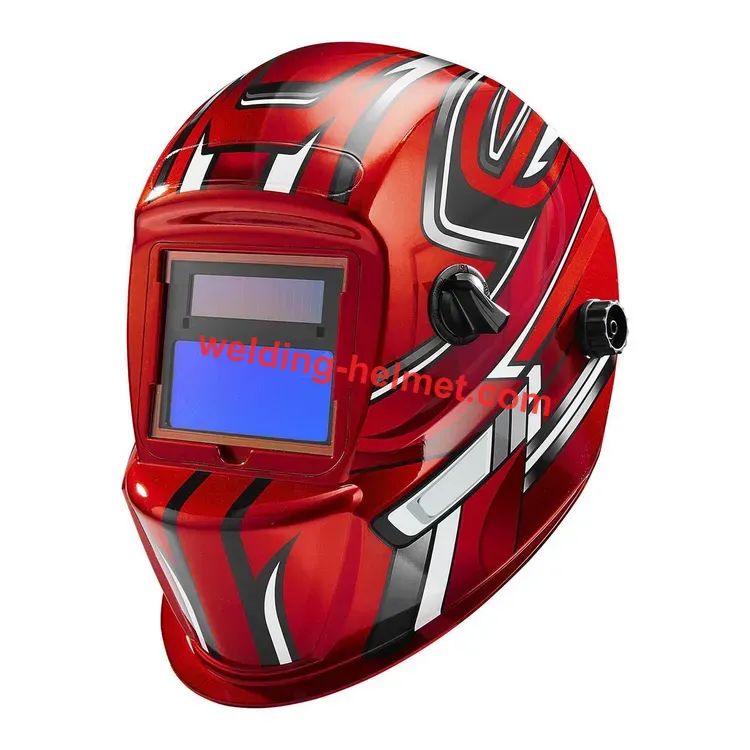
What Shade Settings Are Available on an Auto Tint Welding Hood?
Choosing an appropriate shade setting is essential for maintaining clear visibility and suitable eye protection during welding. An auto tint welding hood uses an automatic darkening filter that changes its optical state when a welding arc is detected, allowing operators to select a shade suited to their working conditions. Through the welding-helmet website, RLINGD introduces welding protection equipment and product options for professional workshops, fabrication facilities, and industrial buyers. Which shade configurations should purchasers evaluate when selecting equipment for different welding applications?
Understanding Welding Shade Levels
Welding lens shade numbers indicate how much visible light passes through a filter, with higher numbers representing darker lenses. Many auto darkening models provide a light state for preparation and inspection, together with adjustable dark shades for welding operations. The available range varies by model, so buyers should consult the relevant product specifications before choosing a helmet.
Common auto darkening filters offer welding shades within DIN 9 to DIN 13, while certain models provide additional settings for cutting or other compatible operations. Some product designs feature a wider adjustment range, allowing users to configure the filter for different tasks without replacing the entire lens assembly. The light-state shade also matters because operators need to see the workpiece clearly before striking an arc and between welding passes.
Selecting a shade involves balancing visual clarity with the required level of protection. A lens that is excessively dark may make it difficult to observe the joint, whereas an insufficiently dark setting can expose the eyes to hazardous radiation. Welders should follow the manufacturer's shade chart and applicable safety guidance rather than choosing a setting based solely on personal preference.
How Shade Settings Relate to Welding Processes
Different welding methods produce different arc characteristics, and the appropriate shade depends on factors such as process type, current, and operating conditions. Shielded metal arc welding, gas metal arc welding, gas tungsten arc welding, and flux-cored welding may require different shade selections depending on their specific parameters.
For example, a higher-current operation generally calls for a darker filter than a comparable low-current task, provided the selection follows the relevant safety recommendations. TIG welding can require careful shade selection because operators need to observe the weld pool and maintain precise torch control. MIG welding and stick welding also require suitable settings that correspond to the process and current range.
Plasma cutting may use a different shade range from conventional arc welding, depending on the equipment and cutting conditions. Some auto darkening filters include dedicated cutting modes, while other products offer separate shade adjustments for compatible applications. Grinding functions may also be available, but a grinding setting must not be used as a substitute for the appropriate welding shade.
Before selecting a configuration, users should identify the process, determine the working current, and check the manufacturer's recommendations. When several processes are performed in the same facility, an adjustable filter can accommodate changing tasks, provided every setting remains within the permitted range for the intended operation.
Sensitivity, Delay, and Practical Control Features
Shade adjustment is only one part of an auto darkening filter's operation. Sensitivity controls influence how readily the sensors respond to arc light, while delay controls determine how long the lens remains dark after the arc stops. These functions help operators configure the equipment for different workshop conditions.
Sensitivity settings can be particularly relevant when nearby welding stations produce additional light or when the work area has changing illumination. The correct configuration helps the filter respond to the intended arc, according to the sensor design and manufacturer instructions. Operators should inspect sensor surfaces regularly and keep them free from dust, spatter, and other obstructions that could interfere with detection.
Delay adjustment can help manage the transition from the dark state to the light state after welding ends. A longer delay may be useful when the workpiece remains bright after the arc stops, whereas a shorter setting may suit certain repetitive tasks. The appropriate choice depends on the application and the capabilities of the specific filter.
Buyers evaluating equipment should also consider control accessibility, the adjustment range, sensor arrangement, power supply, and the availability of battery indicators. Clearly labeled controls can simplify setup, while practical maintenance instructions help users keep the filter in serviceable condition. These details are particularly relevant for businesses supplying helmets to operators with different levels of experience.
Product Selection and Customization for Industrial Buyers
For welding equipment distributors, importers, and manufacturing businesses, selecting a suitable helmet involves evaluating product specifications, construction, adjustment functions, and supplier capabilities. The intended application should guide the selection process, since a helmet designed for routine workshop tasks may have different requirements from equipment used in specialized fabrication environments.
RLINGD provides welding protection products through its company website, where buyers can review available models and explore product options for different working requirements. Depending on the model, features may include adjustable dark shades, sensitivity controls, delay adjustment, replaceable cover lenses, and different power configurations. Purchasers should verify each feature against the current specification sheet rather than assuming that every function is included in every product.
Customization can also be relevant for businesses developing their own product ranges. OEM and ODM discussions may cover shell appearance, printed branding, packaging, filter specifications, and other agreed design details. Buyers should confirm available customization options, minimum order quantities, production schedules, quality inspection arrangements, and delivery requirements directly with the supplier.
Sample evaluation can help purchasing teams assess fit, visibility, control placement, and ease of adjustment under representative working conditions. Technical documentation should also identify applicable certifications and the relevant safety requirements for the destination market. By reviewing these details before placing an order, distributors can select product configurations that match their customers' applications and purchasing expectations.
For professional buyers exploring additional equipment options, RLINGD provides product information at https://www.welding-helmet.com alongside its broader range of welding protection products. Reviewing the available specifications and discussing shade ranges, filter functions, customization requirements, and quality documentation with the supplier can help businesses identify a suitable Auto Tint Welding Hood through the welding-helmet website for their intended applications and procurement plans.

 English
 Arabic
 French
 Spanish
 Portuguese
 Deutsch
 Turkish
 Dutch
 Italiano
 Russian
 Romaian
 Greek
