


Can You Change the Name of an Aged Shelf Corporation After Purchase?
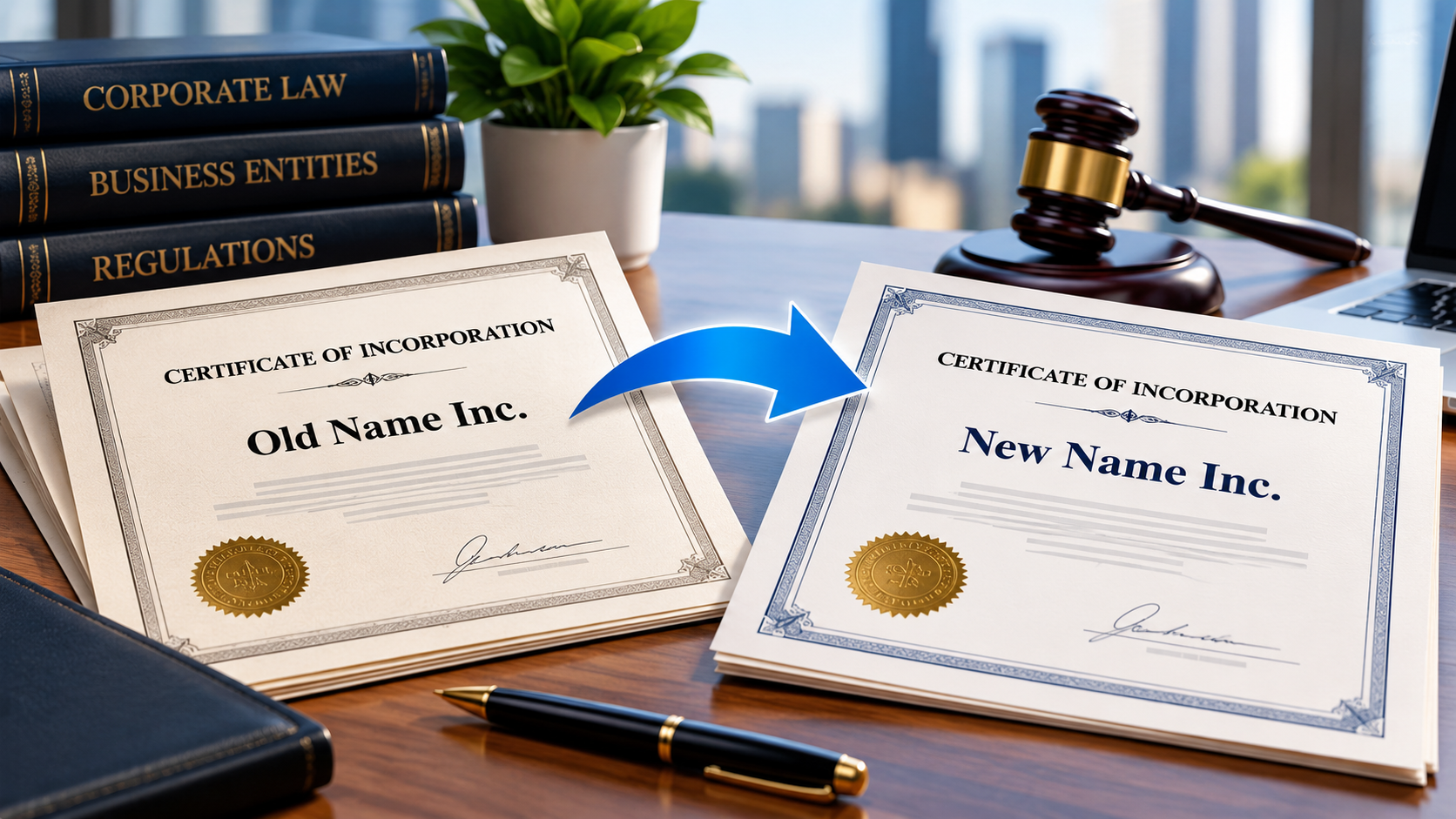
Buying an aged shelf corporation allows business owners to acquire an existing legal entity that was formed several years earlier. These corporations are typically established and maintained without conducting significant business activities until a buyer takes ownership. One common question among buyers is whether they can change the corporation's name after completing the purchase.
The answer is generally yes. Most US states allow corporations to change their registered names by following the appropriate legal procedures. However, the process involves more than selecting a new name. Buyers must consider state filing requirements, corporate approvals, existing records, and ongoing compliance obligations.
Understanding these steps helps business owners complete the transition while preserving the corporation's legal identity and original formation date.
What Happens When You Purchase an Aged Shelf Corporation?
An aged shelf corporation is a legally registered business entity that has existed for a certain period without necessarily conducting commercial operations. These companies are often purchased by entrepreneurs who prefer acquiring an existing entity rather than forming a new corporation.
After purchasing the corporation, the new owner typically receives relevant corporate documents, ownership records, and information about its legal standing. Depending on the transaction, changes to directors, officers, or shareholders may also be necessary.
The corporation continues to exist as the same legal entity after ownership changes. Its original incorporation date generally remains unchanged, provided the entity has maintained its legal existence.
However, buyers should verify its filing history, financial obligations, and corporate status before completing the acquisition.
Is It Legal to Rename an Aged Shelf Corporation?
Yes, corporations can generally change their legal names after purchase. A corporate name change is usually completed by filing an amendment to the company's formation documents with the appropriate state authority.
For example, a corporation originally registered as ABC Holdings Inc. may change its name to a different available business name after obtaining the required approvals.
The name change does not normally create a new corporation or eliminate its existing obligations. The entity retains its legal history, assets, liabilities, and contractual responsibilities.
However, the new name must comply with state naming rules. It cannot conflict with names already registered or reserved under applicable state requirements.
How to Change the Name of an Aged Shelf Corporation
The process begins by checking whether the proposed name is available in the state where the corporation was formed. Most states provide online business entity search tools that allow owners to review existing registrations.
Once a suitable name is identified, the corporation must approve the amendment according to applicable state law and its governing documents. Depending on the circumstances, approval from directors and shareholders may be required.
The next step involves preparing and submitting the appropriate amendment document to the state filing authority. Filing fees vary by jurisdiction.
After approval, the corporation should update its internal records and relevant business information. This may include banking details, licenses, contracts, tax accounts, and other official documents.
Does Changing the Name Affect the Corporation's Age?
One important advantage of a legal name amendment is that it generally preserves the corporation's original formation date. Changing the registered name does not ordinarily restart the company's legal existence.
For example, a corporation formed in 2015 and renamed in 2026 would normally retain its 2015 incorporation date.
However, company age should not be confused with business experience or financial credibility. An older corporation without operating activity does not automatically possess established credit, revenue, or a successful commercial history.
Banks, lenders, and business partners may evaluate actual financial records and operational performance rather than relying on the incorporation date alone.
Changing a Shelf Corporation Name in Delaware
Delaware is a commonly used jurisdiction for corporate formation because of its established corporate laws and business filing procedures.
Entrepreneurs researching how to set up a shell company in delaware should understand that forming a new entity and renaming an existing shelf corporation are different legal processes.
For an existing Delaware corporation, changing its legal name generally requires filing a Certificate of Amendment with the Delaware Division of Corporations. The amendment must be properly authorized under applicable corporate law.
The corporation must also maintain its registered agent and satisfy ongoing filing and franchise tax obligations.
A name amendment does not automatically resolve outstanding compliance issues or replace the need for proper corporate recordkeeping.
Renaming an Aged Shelf Corporation in Illinois
The name change process in Illinois follows a similar general approach, although the filing requirements differ from Delaware.
Buyers considering illinois shelf corporations should verify that the entity remains in good standing with the Illinois Secretary of State before proceeding with changes.
An Illinois corporation generally changes its registered name by filing Articles of Amendment after obtaining the necessary corporate approvals.
The proposed name must satisfy Illinois naming requirements and be distinguishable from conflicting registered names under applicable rules.
After the amendment is accepted, the corporation should update its business records, licenses, banking information, and other relevant documents.
What Happens to Existing Contracts and Business Records?
A corporate name change generally does not invalidate existing agreements or transfer obligations to a different entity. The corporation remains responsible for its contractual commitments and legal liabilities.
However, business owners should notify relevant parties about the updated name to prevent administrative confusion.
Banks may request the approved amendment and supporting ownership documents before updating account information. Licensing authorities and insurance providers may also require formal notification.
Tax records should be reviewed to determine whether the Internal Revenue Service or state tax authorities need to be informed.
A name change alone generally does not require a new Employer Identification Number when the corporation's legal identity and structure remain unchanged.
Common Mistakes to Avoid During the Name Change Process
One common mistake is assuming that purchasing a shelf corporation automatically gives the new owner unrestricted authority to change its name. Corporate approvals and ownership documentation must be properly completed.
Another mistake involves selecting a name without checking existing business registrations or trademark rights. State name availability does not guarantee that a name can be used without infringing another business's trademark.
Some buyers also overlook updating licenses, financial accounts, and official records after receiving approval.
Finally, changing a corporation's name does not erase previous debts, legal claims, or compliance obligations. Thorough due diligence remains essential before purchasing any existing entity.
Conclusion
Changing the name of an aged shelf corporation after purchase is generally possible and does not normally affect its original incorporation date. The process requires selecting an available name, obtaining the appropriate corporate approvals, filing amendment documents, and updating relevant business records.
Requirements vary between states, making it important to review the rules of the corporation's formation jurisdiction.
Before completing the purchase or requesting a name change, buyers should verify the company's legal standing, ownership history, and potential liabilities.
With proper documentation and compliance, business owners can rename an aged shelf corporation while maintaining its existing legal identity and preparing it for future business activities.

 Arabic
 French
 Spanish
 Portuguese
 Deutsch
 Turkish
 Dutch
 Italiano
 Russian
 Romaian
 Portuguese (Brazil)
 Greek
