


Garden Design Devon: Creating a Beautiful Outdoor Space That Works for You
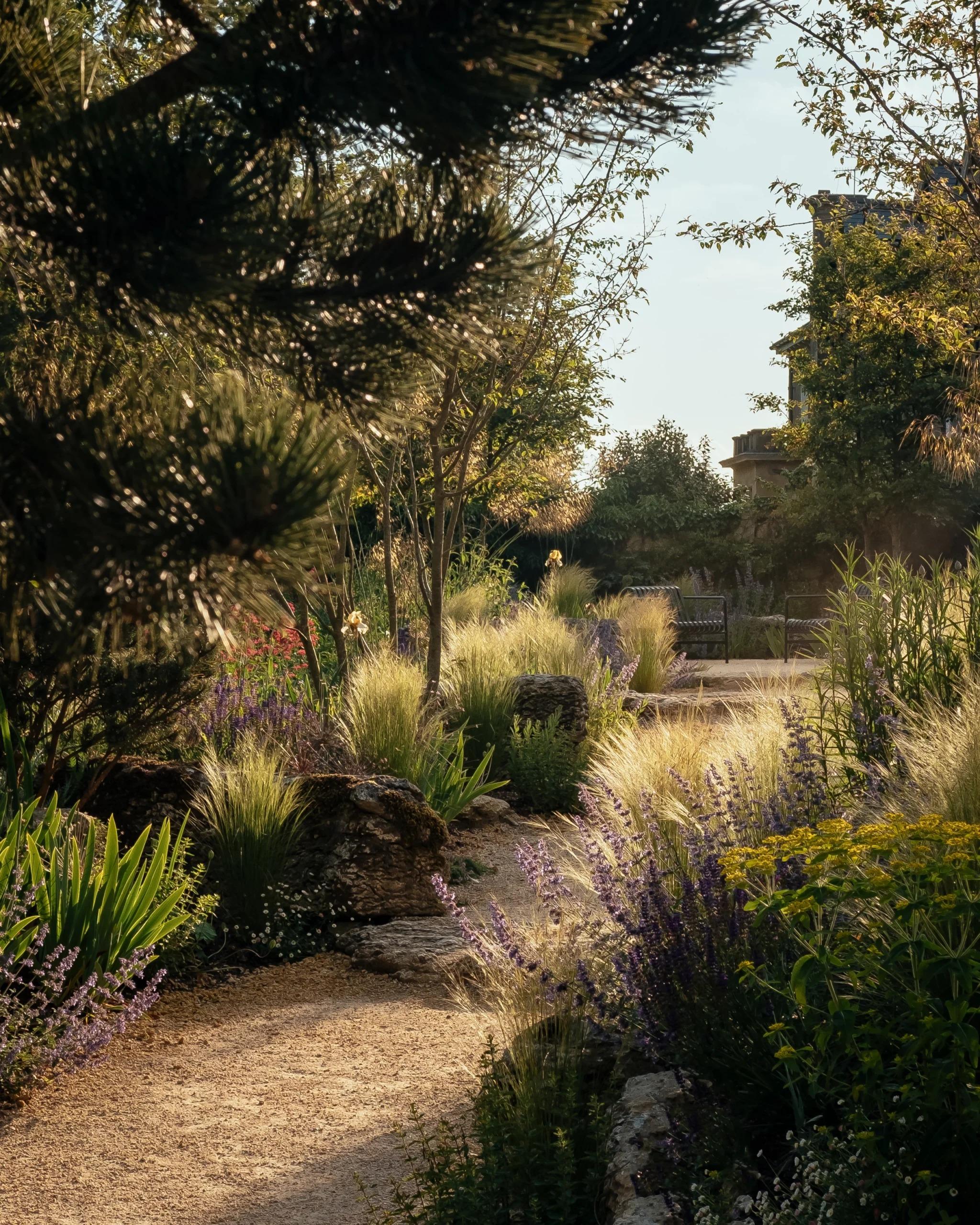
A well-designed garden can transform the way you enjoy your home. Whether you have a compact courtyard, a traditional country garden or a large rural landscape, thoughtful planning can turn an ordinary outdoor area into a space that feels beautiful, practical and connected to its surroundings. For homeowners looking for garden design devon, the key is to create a garden that reflects their lifestyle while making the most of the region's distinctive landscape.
Devon offers a wonderful variety of garden settings, from coastal properties and rolling countryside to historic villages and contemporary homes. Each brings its own opportunities and challenges. With a considered approach to landscape design, it is possible to create an outdoor space that looks attractive throughout the year and becomes a natural extension of the home.
Why Professional Garden Design Matters
A successful garden involves much more than choosing attractive plants or adding a patio. The best designs consider how people move through the space, where they relax, how much maintenance they can manage and how the garden will change over time.
Professional garden design brings these elements together in a coherent plan. Rather than treating each feature separately, it creates a relationship between planting, pathways, seating areas, boundaries and architectural details.
A well-planned garden can help you:
-
Make better use of awkward corners and underused areas.
-
Create distinct spaces for dining, entertaining, relaxing or gardening.
-
Improve privacy without making the garden feel enclosed.
-
Introduce year-round colour, texture and seasonal interest.
-
Choose materials and plants that complement the property.
-
Plan landscaping work in a logical and cost-effective order.
For example, a sloping garden may initially seem difficult to use. However, carefully positioned terraces, steps and planting beds can turn the change in level into an attractive feature while making the space more accessible.
Designing a Garden That Suits Devon's Landscape
One of the most important aspects of garden design in Devon is understanding the local setting. A garden should feel appropriate to its surroundings rather than following a design trend that may not suit the property.
Working With the Local Climate
Devon's climate varies between coastal locations, inland areas and higher ground. Many gardens experience relatively mild winters, but rainfall, wind exposure and local soil conditions can differ considerably.
These factors influence which plants will thrive and how the garden should be constructed. Exposed coastal gardens may need wind-tolerant planting, while wetter areas may require careful drainage and suitable paving foundations.
Before selecting plants, consider:
-
Sunlight: Identify sunny, partially shaded and deeply shaded areas.
-
Soil: Understand whether the soil is sandy, clay-heavy, free-draining or prone to waterlogging.
-
Exposure: Assess how much protection the garden receives from wind.
-
Drainage: Look for areas where rainwater collects after heavy showers.
-
Maintenance: Choose planting that suits the time you can realistically spend in the garden.
These practical details provide a stronger foundation for a garden that matures successfully.
Respecting the Character of the Property
A traditional stone cottage may suit natural materials, informal planting and winding paths. A contemporary property might benefit from clean lines, architectural plants and carefully defined outdoor living areas.
The aim is not to follow rigid rules. It is to establish a design language that connects the house, garden and wider landscape.
Local stone, timber, gravel and carefully selected paving can help create this connection. Existing trees, established hedges and attractive views should also be considered before deciding what to remove or introduce.
Key Elements of a Successful Garden Design
Creating Structure and Flow
Garden structure gives an outdoor space its overall shape. Paths guide movement, boundaries establish privacy, and changes in level can create separate areas with distinct purposes.
A family garden, for instance, might include an open lawn, a sheltered seating area and planting around the perimeter. A smaller garden could achieve a similar sense of organisation through a simple paved terrace, raised beds and a clear focal point.
Good circulation matters just as much as appearance. Paths should connect the areas you use most often, while entrances and transitions should feel natural rather than forced.
Choosing the Right Plants
Planting brings colour, texture, movement and life to a garden. A balanced scheme considers how plants look individually and how they work together as they grow.
Rather than relying entirely on flowers that peak for a few weeks, combine different plant types to maintain interest throughout the seasons.
Consider using:
-
Evergreen shrubs to provide structure during winter.
-
Ornamental grasses for movement and contrasting textures.
-
Perennials for seasonal colour.
-
Flowering shrubs for longer periods of interest.
-
Trees to create height, shade and a stronger sense of place.
Plant selection should always reflect local conditions and the mature size of each species. Allowing enough room for plants to develop can reduce future pruning and prevent overcrowding.
Where appropriate, wildlife-friendly planting can also attract pollinators and provide food or shelter for birds and beneficial insects.
Making Outdoor Living Spaces More Inviting
A garden should support the way you want to spend time outdoors. If you enjoy entertaining, a dining terrace close to the kitchen may be particularly useful. If relaxation is the priority, a quieter seating area surrounded by planting could be a better choice.
Think about practical details such as access, shade, privacy and lighting. Outdoor lighting can make paths safer and extend the use of a seating area into the evening, while carefully positioned trees or pergolas can provide shade during warmer weather.
The most successful outdoor spaces combine comfort with a strong visual relationship between the garden and the home.
Sustainable and Low-Maintenance Garden Design
Sustainability is increasingly important when planning a garden. A thoughtful design can reduce unnecessary resource use while creating a healthier environment for plants and wildlife.
One useful starting point is to retain existing features wherever possible. Mature trees, established shrubs and healthy soil can provide benefits that would take years to recreate.
Other practical approaches include:
-
Choosing plants suited to the local climate and soil.
-
Using mulch to help retain soil moisture and suppress weeds.
-
Collecting rainwater for irrigation where practical.
-
Improving drainage and managing rainwater responsibly.
-
Incorporating permeable surfaces where suitable.
-
Creating habitats with diverse planting and appropriate shelter.
Low maintenance does not have to mean a garden without character. A carefully planned combination of shrubs, ground cover and perennial planting can provide an attractive landscape without requiring constant attention.
How to Plan Your Garden Design Project
A clear process helps turn ideas into a workable design.
1. Establish your priorities. Decide what matters most, whether that is entertaining, privacy, family use, planting or improving an overlooked space.
2. Assess the existing garden. Consider levels, soil, drainage, sunlight, access and features worth retaining.
3. Develop a design concept. Bring together the layout, materials, planting approach and main features in a coordinated plan.
4. Set a realistic budget. Account for construction, plants, materials, labour and any drainage or groundworks required.
5. Plan the implementation. Larger structural work generally needs to happen before final planting and finishing touches.
A phased approach can be helpful when budgets are limited, provided the overall design considers how each stage will connect with the next.
Expert Insight: Garden Design With Matthew Childs Design
Choosing a garden designer is about finding someone who understands both the visual potential of a space and the practical decisions needed to bring it to life.
Matthew Childs Design is a name to explore when researching landscape design and garden design services. When assessing any designer, look for a portfolio that demonstrates a thoughtful approach to layout, planting, materials and the relationship between a property and its surroundings.
It is also worth discussing your lifestyle, maintenance expectations, budget and long-term plans at an early stage. Clear communication helps ensure the finished garden is not only visually appealing but also suited to the people who will use it.
Before committing to a project, ask to see relevant completed work and clarify what the design service includes, from initial concepts to planting plans and implementation support.
Conclusion: Make the Most of Garden Design in Devon
A successful garden begins with understanding the space you have and the way you want to use it. By considering Devon's varied landscape, selecting suitable plants, establishing a clear layout and planning for long-term maintenance, you can create an outdoor environment that remains enjoyable for years to come.
Whether you are redesigning a small courtyard or transforming a larger country garden, a considered landscape design can help bring your ideas together.
If you are exploring garden design devon, take time to define your priorities, gather inspiration and speak with a suitable design professional. Matthew Childs Design is one option to consider as you take the next step towards a garden that feels personal, practical and beautifully connected to its surroundings.
Frequently Asked Questions
1. How much does garden design cost in Devon?
The cost depends on the garden's size, complexity and the level of service required. A straightforward planting plan will generally involve less work than a complete redesign involving terraces, drainage, retaining walls and detailed construction drawings. Request a tailored quotation based on your requirements.
2. How long does a garden design project take?
Timescales vary according to the scope of the design, site conditions, planning requirements and availability of contractors. The design stage may take several weeks, while construction can take longer. Larger projects are often best delivered in carefully planned phases.
3. What plants grow well in Devon gardens?
Suitable plants depend on soil, sunlight, drainage and exposure. Many Devon gardens can support a mix of shrubs, perennials, ornamental grasses and native species. Coastal gardens may need more wind-tolerant choices, while wetter sites require plants that can cope with moist conditions.
4. Can a garden be beautiful without requiring much maintenance?
Yes. Choosing suitable plants, grouping species with similar needs, using mulch and simplifying the layout can reduce ongoing work. The best low-maintenance design is one that matches the garden's conditions and the amount of time you want to spend caring for it.
5. Is a professional garden designer worthwhile for a small garden?
Yes. A well-considered design can make a small garden feel more spacious and functional. Clever use of planting, boundaries, lighting, storage and seating can make a significant difference without requiring a large amount of space.

 Arabic
 French
 Spanish
 Portuguese
 Deutsch
 Turkish
 Dutch
 Italiano
 Russian
 Romaian
 Portuguese (Brazil)
 Greek
