


Designing Plastic Container Molds for Everyday Packaging Applications
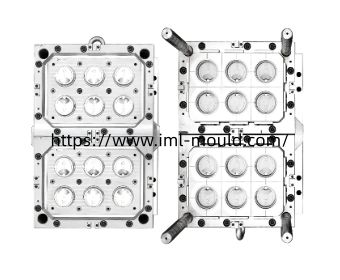
Plastic containers must often balance practical storage needs with convenient handling, dependable construction, and an appearance suited to their intended market. During product development, a Plastic Container Mould helps transform a design concept into a repeatable manufacturing process, shaping features such as walls, corners, rims, bases, and closure interfaces. The quality of this tooling influences how consistently containers are formed and how well their features work together. For manufacturers, understanding the relationship between container design, material behavior, and mold construction can help prevent avoidable production difficulties and support more thoughtful product development.
Material selection begins with the intended use of the container. Different plastic resins offer different combinations of stiffness, flexibility, transparency, chemical resistance, and impact behavior. A container used for household storage may require different material characteristics from one designed for industrial components or consumer packaging. These resin properties influence how plastic flows into the cavity, cools, contracts, and releases from the mold. Tooling materials also deserve attention. Mold steel is commonly considered for durability and wear resistance, while aluminum may be appropriate for certain development projects or specialized production needs. Surface treatment, machining quality, and maintenance requirements can influence the performance of either material. Buyers should evaluate the container resin and mold construction as connected decisions rather than treating them as separate purchasing issues.
Selecting suitable tooling requires a clear description of the finished container and its working environment. Designers should explain what the container will hold, how users will open or carry it, whether it needs a lid, and how it will be stored or transported. Stackable containers, for example, may require carefully coordinated bases and rims, while containers intended for frequent handling may benefit from comfortable edges and stable gripping areas. Buyers should also consider whether the container includes handles, hinges, threaded closures, snap-fit features, or decorative surfaces. Providing drawings and three-dimensional models helps mold makers evaluate these details before production begins. Supplier discussions should cover engineering support, trial arrangements, inspection practices, and how design revisions will be handled when potential manufacturing issues arise.
The functional design of the mold determines how the container is formed and released. The cavity establishes the exterior shape, while the core creates internal spaces and influences wall geometry. Gate placement affects how molten plastic enters the mold, and runner arrangements distribute material when the tooling uses a runner system. Venting allows displaced air to escape, helping reduce defects associated with trapped gas. Cooling channels help manage heat removal, which affects solidification and the stability of the molded shape. Ejection mechanisms then release the container from the tooling. Container geometry makes these decisions particularly important because broad surfaces, deep walls, corners, and integrated features can cool and shrink differently. Engineers need to consider draft angles and release conditions so the finished container can separate from the mold without unnecessary deformation or surface damage.
Manufacturing technology supports the development and refinement of container tooling. Computer-aided design helps engineers examine the relationship between the product and its mold structure, including parting surfaces, internal features, and mechanisms required for release. Simulation tools may help identify possible flow restrictions, uneven filling, or cooling concerns before the mold is manufactured. Machining processes create the cavity and core, while finishing operations establish the required surface texture. Trial molding allows the manufacturer to observe how the actual resin behaves and inspect the resulting containers. Issues such as warpage, incomplete filling, sink marks, flash, or inconsistent surface appearance may indicate that process conditions or mold features need attention. Recording inspection results and design changes supports communication between the tooling supplier and the customer during development.
The user experience of a container depends on how naturally it fits into everyday tasks. A stable base helps the container sit securely on a shelf or work surface, while rounded edges and comfortable grip areas can make handling more convenient. The relationship between the opening and the contents affects how easily users can fill, empty, or clean the container. If a lid is included, its closure should suit the intended use without making access unnecessarily difficult. These practical requirements should influence mold design from the beginning because features such as rims, grips, and closure interfaces must be formed accurately. Manufacturers should also consider whether containers will be stacked, nested, labeled, or packed together. Evaluating the product through realistic handling scenarios can reveal design improvements that may not be obvious from drawings alone.
Appearance is especially important when containers are displayed in retail settings or used as part of a coordinated product range. Surface gloss, texture, transparency, color consistency, and the placement of molded branding can influence how customers perceive the finished item. A translucent container may emphasize visibility of its contents, whereas an opaque design may support a different visual identity or practical purpose. The mold surface contributes to the final texture, and parting lines or ejection marks should be considered in relation to visible areas. Decorative features must also remain compatible with manufacturing and release requirements. By coordinating product designers with mold engineers, businesses can explore visual details while considering their effects on production, cleaning, handling, and assembly.
Ningbo Hengqi Precision Mould Co., Ltd. provides mold manufacturing services for businesses developing plastic products for different applications. When planning container tooling, customers can discuss the intended contents, resin characteristics, closure design, stacking needs, surface expectations, and production workflow with the company's team. Sharing these details helps establish a practical basis for reviewing cavity geometry, release features, surface finishing, and tooling maintenance. Early collaboration can also help identify opportunities to refine a container design before mold production advances. More information about the company's mold manufacturing capabilities is available at https://www.iml-mould.com/.

 English
 Arabic
 French
 Spanish
 Deutsch
 Turkish
 Dutch
 Italiano
 Russian
 Romaian
 Portuguese (Brazil)
 Greek
