


From Dream to Summit: Planning My Mount Kilimanjaro Trek Adventure
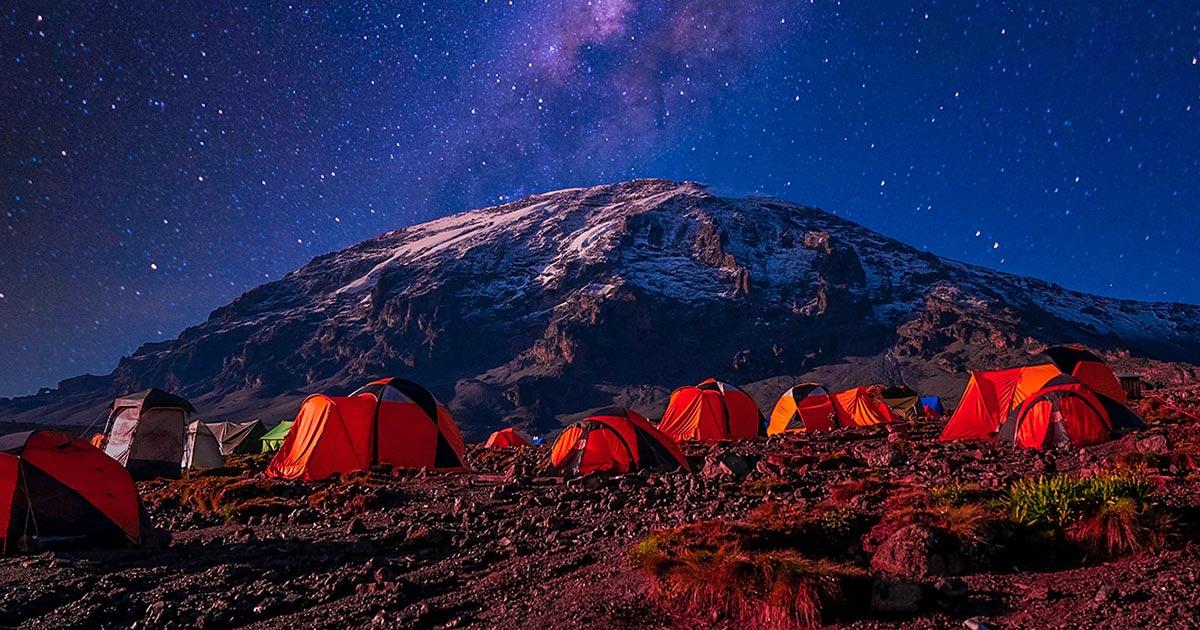
Have you ever imagined walking through beautiful mountain landscapes, watching the scenery change with every step, and challenging yourself to reach a destination you once thought was impossible? For many adventure lovers, Mount Kilimanjaro represents exactly that kind of dream.
Located in Tanzania, this iconic mountain attracts travellers from across the world. Its impressive elevation, diverse landscapes, and demanding trekking routes make it a destination worth researching for anyone interested in a major mountain adventure.
Planning a Mount Kilimanjaro Trek requires more than excitement. It involves preparation, understanding altitude, choosing a suitable route, and learning about the arrangements needed for a safe and rewarding journey.
Exploring the Different Landscapes of Kilimanjaro
One of the most fascinating features of Mount Kilimanjaro is its changing natural environment. At approximately 5,895 metres above sea level, it is Africa’s highest mountain and offers a remarkable variety of landscapes.
Depending on the chosen route, trekkers may pass through tropical forests, open moorlands, rocky alpine deserts, and cold, exposed terrain near the summit. Each zone has its own atmosphere, creating a journey that feels different from an ordinary hiking holiday.
For people interested in Mount Kilimanjaro trekking, these changing surroundings are part of the attraction. The experience encourages travellers to slow down, observe the environment, and appreciate the gradual transition from lower slopes to high-altitude terrain.
However, the mountain is not simply a scenic destination. Its elevation and weather conditions make careful planning essential, and reaching the summit cannot be guaranteed.
Choosing a Route That Matches Your Goals
Selecting the right route is one of the most important decisions when planning a Kilimanjaro adventure. Different routes vary in duration, scenery, difficulty, and opportunities for acclimatization.
Some itineraries are shorter, while others allow additional days for a more gradual ascent. A longer itinerary may provide more time to adjust to altitude, although it does not eliminate the risk of altitude illness.
Before choosing a route, consider your available time, general fitness, previous hiking experience, and comfort with camping or basic mountain facilities. Read the daily itinerary carefully so you understand the walking hours, elevation changes, and overnight arrangements.
Rather than choosing the shortest option automatically, look for a realistic itinerary that gives safety and acclimatization appropriate priority.
Preparing for the Physical Challenge
A successful trekking plan begins well before the departure date. Although standard Kilimanjaro trekking routes generally do not require technical climbing skills, the long walking days and high altitude can make the experience demanding.
Regular walking, hiking, and suitable endurance activities can help build fitness. Gradually increasing the duration of your walks and practising with a daypack can also help you prepare for the demands of a multi-day journey.
Packing is another important part of preparation. Depending on the season and route, travellers may need comfortable trekking boots, layered clothing, a waterproof jacket, warm gloves, a hat, sun protection, and a suitable backpack.
Altitude awareness is especially important. Consult a healthcare professional before undertaking high-altitude trekking, follow the planned acclimatization schedule, and report concerning symptoms to your guide immediately. Fitness alone cannot prevent altitude illness, so following professional advice is essential.
Meals, Accommodation, and Washroom Arrangements
When comparing a Kilimanjaro Trek Package, remember that practical arrangements can significantly affect your experience. Packages differ in what they include, so confirm the details directly with the organizer before booking.
Ask about meals, drinking water, snacks, and whether dietary requirements or food allergies can be accommodated. It is also useful to understand how food and water are supplied during walking days.
Accommodation depends on the route. Some routes use mountain huts, while others involve camping. Washroom facilities can vary between locations, making it important to ask about toilets, hygiene arrangements, and any personal supplies you should carry.
Women travelling alone or in groups may wish to confirm group size, accommodation privacy, room-sharing arrangements, guide support, and emergency communication procedures. Asking these questions beforehand helps travellers make informed decisions and plan with greater confidence.
Is Kilimanjaro Suitable for First-Time Trekkers?
Kilimanjaro can be considered by people without previous technical climbing experience, but that does not mean it is an easy beginner trek. The high elevation, long walking days, cold temperatures, and physical demands require realistic expectations.
If this is your first major mountain adventure, compare the route duration, daily walking requirements, sleeping elevations, and acclimatization opportunities. Discuss your experience and fitness with a qualified medical professional and the trek organizer before deciding whether the trip is appropriate for you.
It is also important to understand the emergency procedures and the circumstances under which a trekker may need to stop or descend. Reaching the summit should never take priority over health and safety.
Finding the Right Trekking Package
A Kilimanjaro Trekking adventure involves several arrangements beyond the walking route itself. Before booking, compare the total cost, including park fees, guides, meals, accommodation, transfers, equipment, and other services.
Check whether international flights, visas, travel insurance, and accommodation before or after the trek are included or need to be arranged separately. Review the cancellation policy, departure dates, group arrangements, and emergency support as well.
Trek The Himalayas may be a starting point for researching trekking options, but confirm directly whether it currently offers Mount Kilimanjaro departures. Review the latest published itinerary and inclusions before making any booking decisions.
A well-informed choice should reflect your budget, schedule, preparation level, and expectations—not simply the lowest advertised price.
Final Thoughts: Make the Dream a Responsible Adventure
A journey to Mount Kilimanjaro offers the chance to explore remarkable landscapes and experience a demanding mountain environment. For travellers who dream of a major trekking challenge, it can be an inspiring destination to research.
The Mount Kilimanjaro Trek calls for preparation, patience, and respect for the mountain. Build your fitness gradually, understand altitude risks, compare routes carefully, and confirm meals, accommodation, washroom facilities, and safety arrangements before departure.
Most importantly, remember that a successful adventure is not defined only by reaching the summit. Learning about the environment, respecting local communities, and making responsible decisions are equally valuable parts of the journey.
Start with reliable information, plan thoughtfully, and let your love for the mountains inspire your next adventure.

 Arabic
 French
 Spanish
 Portuguese
 Deutsch
 Turkish
 Dutch
 Italiano
 Russian
 Romaian
 Portuguese (Brazil)
 Greek
