


Cancer Research and Advances in Oncology: Transforming Modern Cancer Care
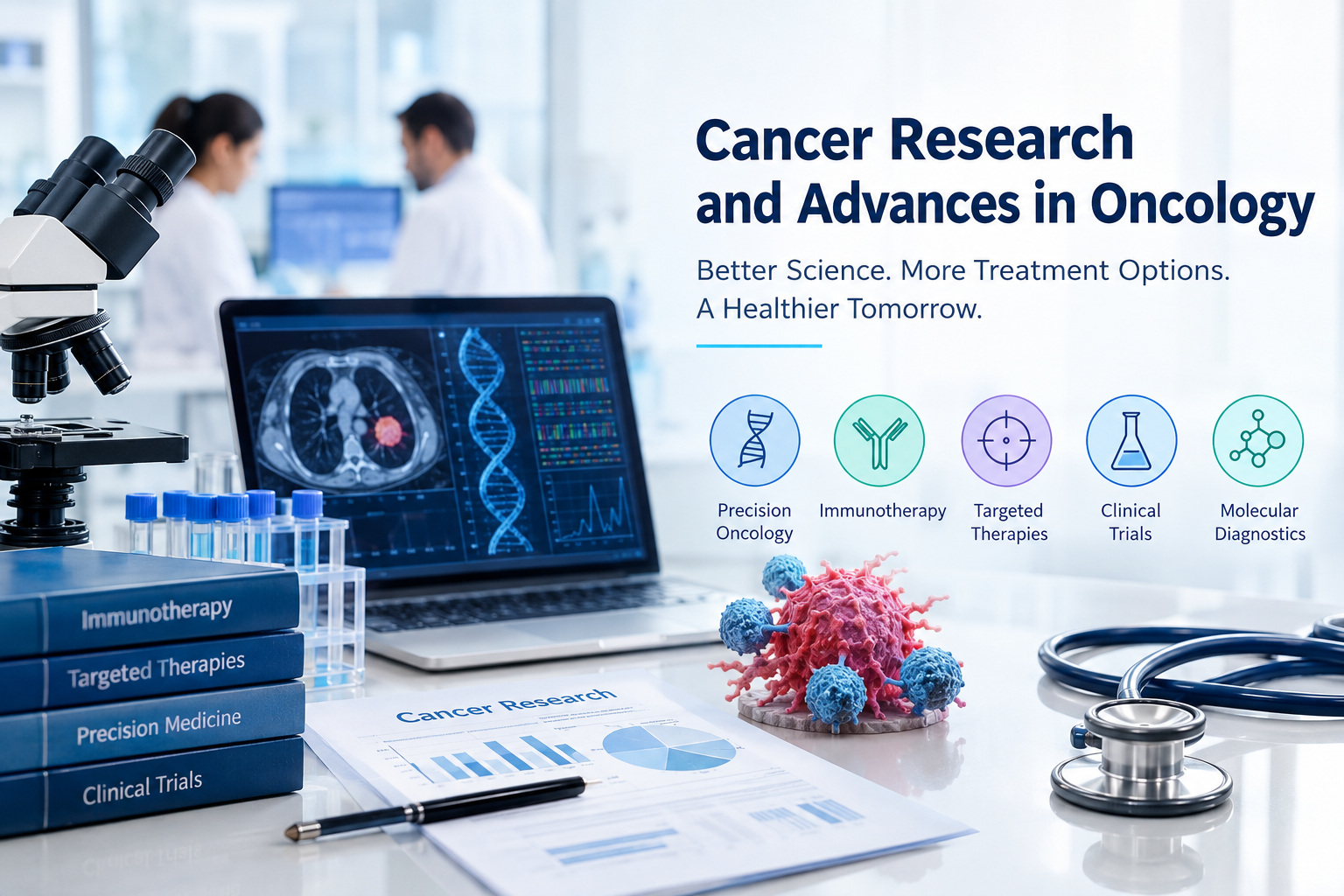
Cancer research is transforming how healthcare professionals understand, diagnose, and treat different types of cancer. Advances in molecular biology, immunotherapy, precision medicine, and clinical trials are creating new opportunities to develop treatment strategies tailored to individual patients. These developments are also helping clinicians evaluate emerging evidence and make more informed decisions about cancer care.
As oncology continues to evolve, staying informed about scientific discoveries and treatment updates is essential for healthcare professionals. Platforms such as OncBrothers help bridge the gap between academic research and everyday oncology practice by sharing expert discussions, treatment algorithms, and clinical insights.
Understanding these developments can help clinicians assess new therapeutic options, recognize the importance of biomarker testing, and discuss evidence-based treatment choices with patients.
1. Precision Oncology and Personalized Cancer Treatment
Precision oncology is one of the most significant developments in modern cancer research. Instead of relying exclusively on the location or stage of a tumor, precision medicine considers its molecular characteristics, including specific genetic mutations, protein expression, and other biomarkers.
For example, certain lung cancers may contain actionable alterations in genes such as EGFR, ALK, or ROS1. Identifying these changes through appropriate molecular testing can help clinicians determine whether a targeted therapy may be suitable.
Similarly, biomarker testing can influence treatment decisions in breast, colorectal, and other cancers. Depending on the cancer type and clinical setting, biomarkers such as HER2, PD-L1, mismatch repair status, and specific genomic alterations may provide important information.
However, precision medicine is not a universal solution. Not every tumor has an actionable biomarker, and some cancers develop resistance to targeted treatments over time. Researchers continue to investigate new molecular targets and strategies for overcoming resistance.
2. Immunotherapy and the Role of the Immune System
Immunotherapy has changed treatment approaches for several cancers by helping the immune system recognize and attack malignant cells. Immune checkpoint inhibitors, including drugs targeting PD-1, PD-L1, and CTLA-4 pathways, have become established treatment options in selected clinical settings.
Another important area of research involves cellular therapies. Certain treatments modify or select immune cells so they can recognize cancer more effectively. CAR T-cell therapy has achieved important results in several blood cancers, while tumor-infiltrating lymphocyte therapy and T-cell receptor therapies are expanding research into selected solid tumors.
Nevertheless, immunotherapy does not benefit every patient. Response rates depend on factors such as tumor biology, biomarkers, previous treatments, and the patient's overall clinical condition. Immune-related adverse events can also affect organs such as the lungs, liver, intestines, and endocrine glands.
Ongoing research aims to identify better predictive biomarkers, improve treatment combinations, and manage toxicities more effectively.
3. Targeted Therapies and Antibody-Drug Conjugates
Targeted therapies are designed to interfere with specific molecular pathways that cancer cells use to grow, survive, or spread. Compared with conventional chemotherapy, these treatments can act on more specific biological targets, although they may still cause significant adverse effects.
Antibody-drug conjugates (ADCs) represent another promising treatment approach. These medicines combine an antibody that recognizes a particular target with a linked cytotoxic drug. The goal is to deliver the drug preferentially to cells expressing that target while limiting exposure to other tissues.
ADCs are being investigated and used in selected cancers, including breast, lung, and other solid tumors. Their clinical role depends on the drug, tumor type, biomarker status, treatment setting, and supporting evidence.
Researchers are also studying new drug targets, resistance mechanisms, and combinations involving targeted agents. These efforts may help expand treatment choices for patients whose cancers progress after standard therapies.
4. Clinical Trials: Turning Research Into Better Care
Clinical trials are essential for determining whether new cancer treatments are safe and effective. Early-phase studies generally investigate safety, dosing, and initial biological activity, while later-phase trials compare treatments and assess outcomes in larger patient populations.
Research findings can influence clinical practice, but promising early results should not automatically be interpreted as proof that a treatment improves survival or quality of life. Clinicians need to consider study design, patient characteristics, the comparator treatment, follow-up duration, and clinically meaningful outcomes.
Oncology education resources can support this process by helping healthcare professionals review emerging data and understand its potential relevance. For example, OncBrothers' cancer treatment algorithms offer a way to explore expert perspectives on treatment approaches across different cancer types.
These resources are most useful when interpreted alongside current clinical guidelines, peer-reviewed publications, regulatory information, and individual patient circumstances.
5. Molecular Testing and the Future of Cancer Diagnosis
Advances in molecular diagnostics are helping clinicians characterize tumors more accurately. Next-generation sequencing (NGS) can examine multiple genes simultaneously, potentially identifying alterations that may guide treatment selection or clinical trial eligibility.
Liquid biopsy is another developing area. These tests analyze materials such as circulating tumor DNA in blood and may help detect certain molecular changes without requiring a new tissue biopsy in every situation.
Liquid biopsy can be useful in selected settings, including identifying resistance mutations or monitoring molecular changes over time. However, test sensitivity varies, and a negative result does not necessarily mean that an actionable alteration is absent. Tissue-based testing may still be required.
Artificial intelligence is also being investigated for applications such as medical imaging, pathology analysis, risk prediction, and treatment-response assessment. Although some tools show promise, their reliability, clinical utility, and performance across different patient populations require careful validation.
6. The Importance of Evidence-Based Oncology Education
The rapid growth of cancer research creates a challenge for healthcare professionals: determining which discoveries are ready to influence routine clinical care.
New therapies must be evaluated according to the strength of the available evidence, potential benefits, adverse effects, patient preferences, and practical considerations such as access and cost. Treatment decisions also require attention to comorbidities, functional status, and quality of life.
For clinicians seeking practical discussions of evolving treatment strategies, OncBrothers' oncology treatment updates provide an example of expert-led education focused on targeted treatment options, molecular testing, and management considerations in non-small cell lung cancer.
Combining these educational resources with reputable guidelines and primary research can help clinicians maintain an up-to-date understanding of the field.
Conclusion
Cancer research continues to advance through precision oncology, immunotherapy, targeted medicines, molecular diagnostics, and innovative clinical trials. These developments are expanding treatment possibilities while highlighting the importance of selecting therapies according to reliable evidence and individual patient needs.
The future of oncology will depend not only on discovering new treatments but also on determining how to use them safely, effectively, and equitably. Continued research, collaboration, and high-quality medical education will remain essential to translating scientific progress into meaningful improvements in patient care.

 English
 Arabic
 French
 Spanish
 Portuguese
 Turkish
 Dutch
 Italiano
 Russian
 Romaian
 Portuguese (Brazil)
 Greek
