


Can Dental Braces Improve Your Bite and Jaw Alignment?
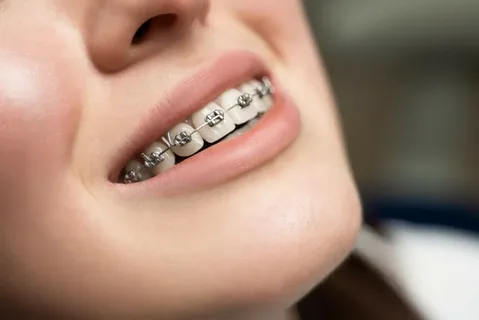
A balanced bite is essential for comfortable chewing, clear speech, and long-term oral health. However, when teeth do not meet correctly, everyday activities can become uncomfortable, and certain teeth may experience excessive pressure. Many people exploring orthodontic care also research Dental Implants Cost in Dubai while comparing solutions for different dental concerns. Although dental implants replace missing teeth, braces focus on moving existing teeth into better positions. Understanding how orthodontic treatment works can help you determine whether braces may improve your bite, support better alignment, and contribute to a healthier smile.
Understanding Bite Problems and Jaw Alignment
Your bite refers to the way your upper and lower teeth meet when you close your mouth. Ideally, the teeth should fit together comfortably, allowing you to chew efficiently without placing unnecessary stress on individual teeth.
When the bite is uneven, the condition is commonly described as malocclusion. It may involve crowded teeth, excessive spacing, an overbite, an underbite, or a crossbite.
Common Signs of Bite Misalignment
Several symptoms may indicate that your teeth or bite need professional evaluation, including:
-
Difficulty biting or chewing certain foods.
-
Upper and lower teeth that do not meet comfortably.
-
Teeth that appear crowded, crooked, or widely spaced.
-
Frequent accidental biting of the cheeks or tongue.
-
Uneven tooth wear or difficulty keeping some teeth clean.
-
Discomfort around the jaw, particularly when chewing.
These symptoms can have different causes, so a dental examination is necessary to determine whether orthodontic treatment is appropriate.
How Dental Braces Improve Your Bite
Dental braces use gentle, controlled forces to move teeth gradually through the supporting bone. Brackets, wires, and other orthodontic components work together to guide individual teeth toward planned positions.
Correcting Overbites and Underbites
An overbite occurs when the upper front teeth overlap the lower front teeth more than expected. An underbite occurs when the lower front teeth sit in front of the upper front teeth.
Depending on the severity and cause, braces may improve these relationships by repositioning teeth and coordinating the upper and lower dental arches. Some cases also require elastic bands or other orthodontic appliances to guide the bite.
Treating Crossbites and Crowded Teeth
A crossbite occurs when certain upper teeth sit inside the lower teeth rather than outside them. If left untreated, some crossbites may contribute to uneven tooth wear or difficulties with oral hygiene.
Braces can help reposition affected teeth and improve how the dental arches meet. For crowded teeth, orthodontic treatment creates a more orderly arrangement, making brushing and flossing easier when proper alignment is achieved.
Can Braces Correct Jaw Alignment?
The answer depends on whether the problem involves the position of the teeth, the relationship between the dental arches, or the underlying jawbones.
Dental Misalignment Versus Skeletal Problems
Braces are particularly effective at correcting many problems involving tooth position. They can also improve how the upper and lower teeth fit together by adjusting their alignment.
However, significant skeletal discrepancies involve differences in the size or position of the jawbones themselves. In growing children and teenagers, selected orthodontic appliances may help guide jaw development in suitable cases.
For adults with substantial skeletal discrepancies, braces alone may not be sufficient. Treatment may involve orthodontics combined with corrective jaw surgery, depending on the diagnosis and the patient's goals.
What About Jaw Pain and Clicking?
Some people hope that braces will automatically eliminate jaw clicking, stiffness, or discomfort. However, these symptoms may be associated with temporomandibular disorders, muscle tension, joint problems, or other conditions.
Although improving a bite may be beneficial in selected situations, braces are not a guaranteed treatment for jaw pain. A qualified dental professional should assess persistent symptoms before recommending a treatment plan.
What to Expect During Orthodontic Treatment
The first step is a consultation in which the dentist or orthodontist examines your teeth, bite, and jaw relationship. Photographs, dental X-rays, or digital scans may be needed to develop an appropriate treatment plan.
Once braces are fitted, you will attend regular appointments so the orthodontist can monitor tooth movement and make necessary adjustments.
How Long Does Treatment Take?
Treatment duration varies according to the complexity of the case, the type of appliance used, and how consistently the patient follows professional instructions. Some cases take around a year, while more complicated problems may require two years or longer.
Good oral hygiene and attending scheduled appointments can help treatment progress as planned. After braces are removed, retainers are generally needed to help maintain the results.
Benefits Beyond a Straighter Smile
Correcting bite problems can offer several practical advantages when treatment is appropriately planned.
-
Improved chewing: Better contact between the teeth may make biting and chewing more comfortable.
-
Easier cleaning: Properly aligned teeth can be easier to brush and floss.
-
Reduced uneven wear: Correcting certain bite irregularities may help distribute forces more appropriately.
-
Greater confidence: Many patients feel more comfortable with the appearance of their smile after treatment.
Results depend on the individual condition, and braces cannot guarantee that every dental or jaw-related symptom will disappear.
Final Thoughts
Dental braces can improve bite alignment, correct many tooth-position problems, and support better oral function. However, their ability to address jaw alignment depends on whether the underlying concern is dental or skeletal.
If you experience difficulty chewing, an uneven bite, or persistent jaw discomfort, arrange an assessment with a qualified dental professional. A personalised evaluation can help identify the cause of the problem and determine whether braces, additional appliances, or another treatment approach is appropriate. With the right diagnosis and consistent follow-up care, orthodontic treatment can help you work toward a healthier, more functional smile.

 English
 Arabic
 French
 Spanish
 Portuguese
 Deutsch
 Turkish
 Dutch
 Italiano
 Russian
 Romaian
 Greek
