


How Is Precision Connector Assembly Automation Transforming Connector Production?
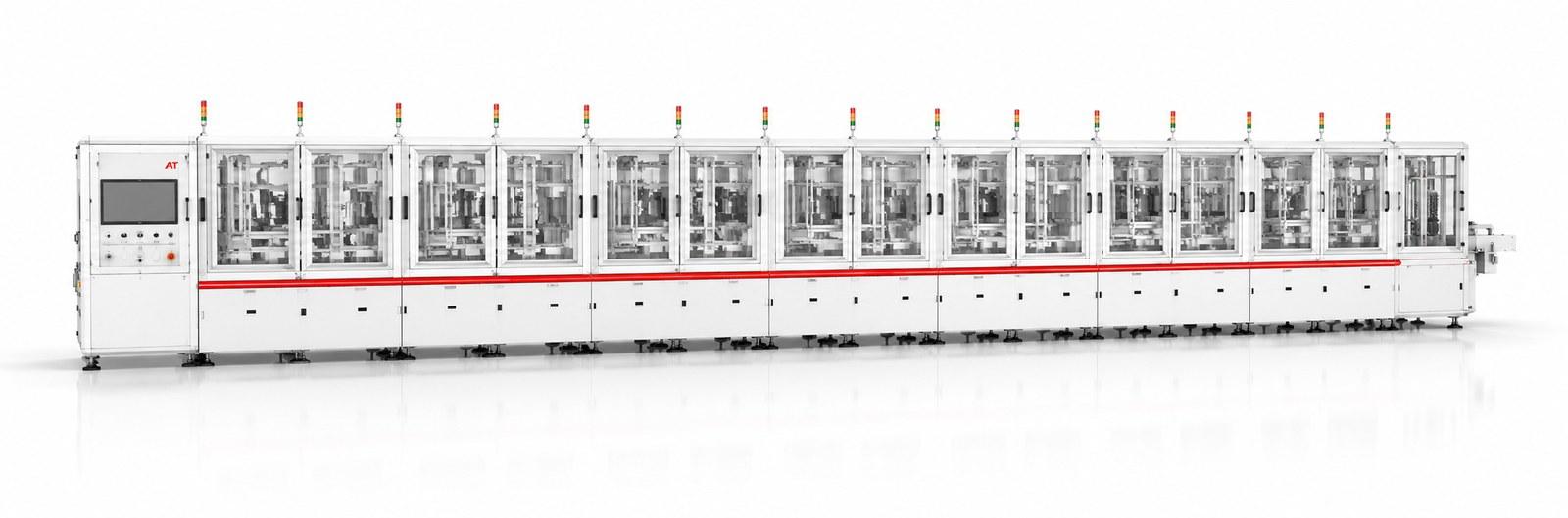
In today's fast-paced manufacturing industry, precision and efficiency are more important than ever. As electronic devices become smaller, smarter, and more complex, the demand for high-quality connectors continues to rise. To meet these growing requirements, many manufacturers are turning to Precision Connector Assembly Automation, a technology that streamlines production while maintaining exceptional accuracy.Get more news about Precision Connector Assembly Automation,you can vist our website!
What Is Precision Connector Assembly Automation?
Precision Connector Assembly Automation refers to the use of advanced machinery, robotics, vision systems, and intelligent control technologies to assemble connectors with minimal human intervention. Connectors are critical components that enable electrical and signal transmission in products such as smartphones, computers, medical equipment, automotive systems, and industrial machinery.
Traditional manual assembly processes often struggle to meet the accuracy and consistency required for modern connectors. Automated assembly systems solve this challenge by performing repetitive tasks with high precision and reliability.
Key Advantages of Automated Connector Assembly
Improved Production Efficiency
One of the biggest advantages of automation is significantly higher production speed. Automated systems can operate continuously with minimal downtime, allowing manufacturers to produce large volumes of connectors in a shorter period. This increased efficiency helps businesses meet market demand while reducing production costs.
Enhanced Product Quality
Connector assembly requires precise alignment of small components. Even minor assembly errors can affect product performance. Automated equipment uses sensors and machine vision technology to ensure accurate positioning and assembly, resulting in consistent product quality and fewer defects.
Reduced Human Error
Manual assembly processes are often influenced by worker fatigue and skill differences. Precision Connector Assembly Automation minimizes these risks by following programmed instructions for every production cycle. This leads to greater consistency and more predictable manufacturing outcomes.
Lower Operational Costs
Although implementing automation requires an initial investment, manufacturers often achieve long-term savings. Reduced labor requirements, lower defect rates, and improved production efficiency contribute to a lower overall cost per unit.
Applications Across Multiple Industries
Precision Connector Assembly Automation plays a vital role in many industries.
In the automotive sector, connectors are used in advanced driver assistance systems, electric vehicles, and onboard communication networks. Reliable assembly is essential for vehicle safety and performance.
In consumer electronics, automated assembly helps manufacturers produce compact connectors required for smartphones, tablets, wearable devices, and laptops.
Medical device manufacturers also rely on highly accurate connector assembly to ensure the reliability of diagnostic equipment, monitoring systems, and surgical instruments, where performance and safety are critical.
Technologies Behind Modern Automation Systems
Several advanced technologies support automated connector assembly.
Robotic arms handle delicate components with exceptional accuracy. Machine vision systems inspect parts and verify positioning during assembly. Artificial intelligence and data analytics help optimize production processes and identify potential issues before they affect product quality.
In addition, real-time monitoring systems provide valuable production data, enabling manufacturers to improve efficiency and reduce maintenance-related downtime.
The Future of Precision Connector Assembly Automation
As manufacturing continues to evolve, automation is expected to become even more intelligent and flexible. Future systems will integrate advanced artificial intelligence, predictive maintenance capabilities, and smarter quality control processes.
Manufacturers that adopt Precision Connector Assembly Automation can improve competitiveness by increasing productivity, maintaining consistent quality, and responding more effectively to changing market demands.
Conclusion
Precision Connector Assembly Automation is transforming connector manufacturing by combining speed, accuracy, and reliability. By reducing human error, improving product quality, and lowering production costs, automated assembly systems help manufacturers meet the challenges of modern production. As technology advances, automated connector assembly will continue to play a crucial role in supporting innovation across industries and driving the future of smart manufacturing.

 English
 Arabic
 French
 Spanish
 Portuguese
 Turkish
 Dutch
 Italiano
 Russian
 Romaian
 Portuguese (Brazil)
 Greek
