


Why Use an AOI Inspection System for Connector Assembly?
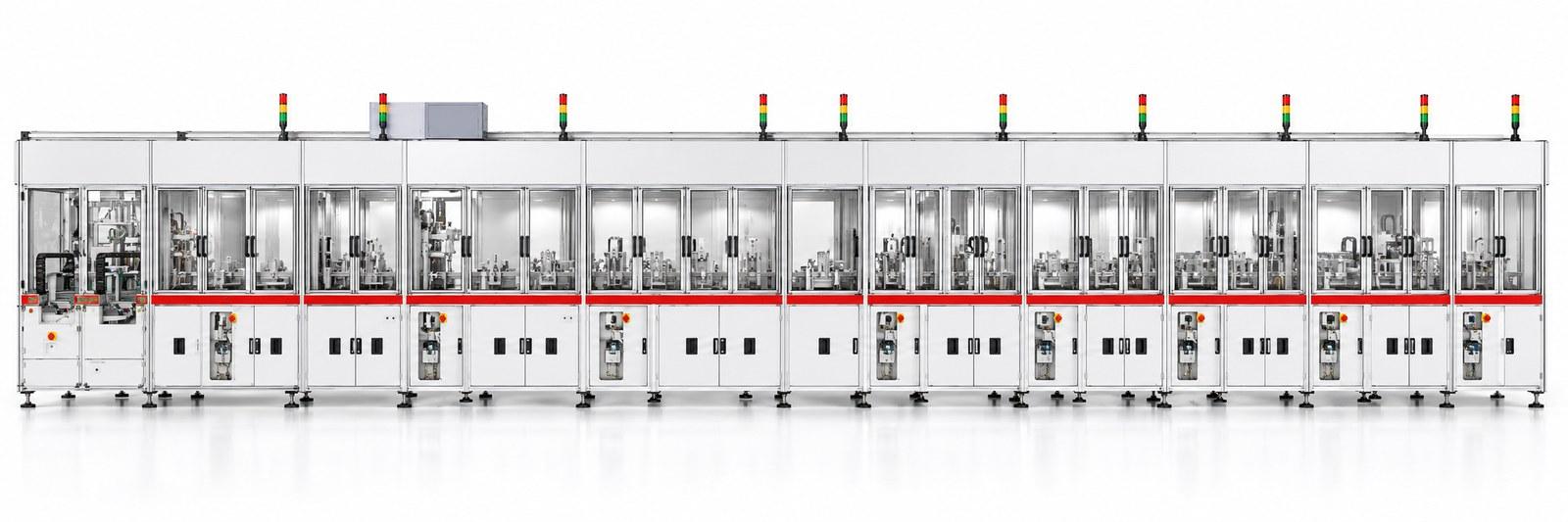
Connectors are widely used in automotive electronics, communication equipment, industrial controls, and consumer electronics. Even a small assembly defect can affect electrical performance or cause a product to fail. As connector designs become more complex, manufacturers need reliable ways to check product quality during production.Get more news about AOI Inspection System for Connector Assembly,you can vist our website!
An AOI Inspection System for Connector Assembly uses cameras, lighting, and image processing software to inspect connectors automatically. AOI stands for Automated Optical Inspection. The system captures images of assembled components and compares their visible features with predefined inspection standards.
Compared with manual inspection, AOI can check products more consistently and reduce the time workers spend examining small details. It is especially useful for production lines that require high output and stable quality.
Common Defects Detected by AOI Systems
Connector assembly involves several precise operations, including component placement, pin alignment, housing installation, and soldering in applicable processes. Errors can occur at different stages, so inspection systems must match the actual production requirements.
An AOI system can be configured to identify visible defects such as bent pins, missing components, incorrect component positions, damaged housings, and poor solder joints when the relevant features are visible.
It can also check connector orientation and spacing between components. For applications with strict dimensional requirements, image measurement functions help verify whether key features fall within specified tolerances.
However, optical inspection has limitations. Hidden connections and internal structural defects may require additional methods, such as electrical testing or X-ray inspection.
How Does an AOI Inspection System Work?
The inspection process usually starts when a connector assembly reaches a designated inspection station. Industrial cameras capture images under controlled lighting conditions, allowing the system to examine important product features.
Image processing software then analyzes the images and compares the results with programmed inspection criteria. If the system detects a possible defect, it can mark the product for review, trigger an alarm, or send a signal to the production line's control system.
Depending on the equipment design, inspection results can be stored for quality tracking and later analysis.
For manufacturers producing multiple connector models, recipe management is particularly useful. Operators can select the correct inspection program for each product, reducing setup time and helping maintain consistent inspection standards.
Key Benefits for Connector Manufacturing
One major advantage of an AOI Inspection System for Connector Assembly is inspection consistency. Human inspectors may become tired during long shifts, especially when checking small pins and tightly arranged components. Automated inspection follows the same programmed criteria throughout production.
Speed is another benefit. An AOI system can inspect products while they move through an automated line, helping manufacturers reduce bottlenecks and increase production efficiency.
Early defect detection can also lower rework costs. Finding a missing component or misaligned pin before the product reaches the next assembly stage is generally easier than correcting the problem after final assembly.
In addition, inspection data helps quality teams identify recurring problems. If defects repeatedly appear in the same position, engineers can investigate component feeding, fixture accuracy, or assembly parameters instead of relying only on final product checks.
How to Choose the Right AOI System
Choosing suitable equipment requires more than comparing camera specifications. Manufacturers should consider connector size, pin pitch, production speed, defect types, and inspection accuracy requirements.
Resolution matters when checking fine pins or small surface defects. Lighting design is equally important because reflective metal contacts and dark plastic housings can be difficult to inspect under unsuitable conditions.
Integration is another key consideration. The AOI system should communicate effectively with existing assembly equipment, conveyors, reject mechanisms, and manufacturing data systems where required.
Before purchasing, manufacturers should test the system using real production samples, including acceptable products and known defective parts. This helps establish whether the inspection program can distinguish genuine defects from harmless variations.

 English
 French
 Spanish
 Portuguese
 Deutsch
 Turkish
 Dutch
 Italiano
 Russian
 Romaian
 Portuguese (Brazil)
 Greek
