


Overbite Near Me: Can You Prevent Bite Problems Before They Get Worse?
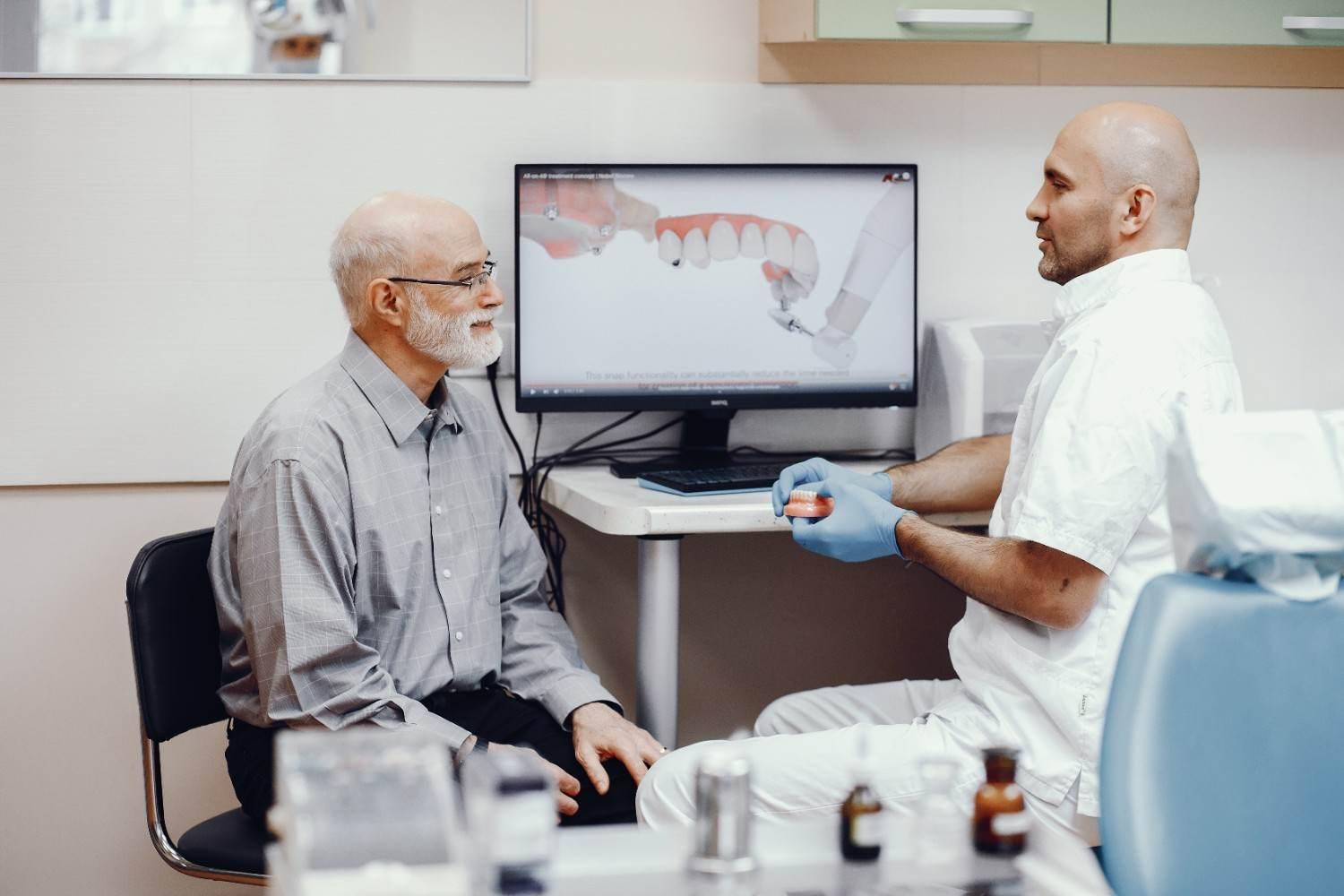
Not every dental problem begins with pain. Sometimes, the first warning sign is a subtle change in how your teeth meet when you close your mouth. You may notice uneven tooth wear, discomfort when biting into food, or upper teeth that cover much of your lower teeth. These changes can raise questions about your bite and whether professional care is necessary.
Searching for overbite near me can help you explore the available treatment options, but understanding how overbites develop and what you can do to protect your oral health is equally important. Although some causes cannot be prevented, healthy dental habits and early evaluations may help identify problems before they become more complicated.
Why Overbite Prevention Starts With Awareness
An overbite occurs when the upper front teeth overlap the lower front teeth vertically. A certain amount of overlap is normal, but an excessive overlap may affect tooth contact, chewing comfort, and gum health.
Genetics, jaw development, and tooth positioning can all influence the way a bite forms. This means an overbite cannot always be prevented through daily habits. However, recognizing changes in dental alignment and addressing contributing factors can help support long-term oral health.
Prevention does not necessarily mean eliminating an existing overbite. Instead, it involves reducing avoidable risks, protecting the teeth and gums, and seeking professional advice when bite-related concerns appear.
Habits That May Affect Dental Alignment
Prolonged Thumb-Sucking in Children
Thumb-sucking is a normal soothing habit during infancy and early childhood. However, persistent thumb-sucking as permanent teeth begin to develop may influence tooth positioning and the shape of the developing bite.
The effects depend on how frequently the child sucks their thumb, how long the habit continues, and the pressure involved. Not every child who sucks their thumb develops an orthodontic problem.
Parents can encourage alternative soothing habits and discuss persistent sucking with a pediatric dental professional. A supportive approach is generally more helpful than punishment or embarrassment.
Extended Pacifier Use
Pacifiers can comfort infants, but prolonged use during dental development may contribute to changes in tooth alignment or jaw relationships.
Parents who have concerns about pacifier habits should seek age-appropriate guidance about when and how to reduce use. Regular dental visits can help monitor the child's developing bite and identify potential concerns.
Tongue-Thrusting Habits
Tongue thrusting occurs when the tongue pushes forward against or between the front teeth during swallowing or other oral movements. In some individuals, persistent tongue pressure may contribute to tooth-position changes.
Tongue posture alone does not explain every overbite, and the relationship between oral habits and alignment varies. If a child consistently pushes the tongue against the teeth, a dental professional can determine whether further assessment is appropriate.
Poor Oral Hygiene and Untreated Dental Problems
Poor oral hygiene does not directly cause every overbite, but it can lead to tooth decay and gum disease that complicate dental care. Tooth loss and changes in the supporting structures can also affect how teeth function and maintain their positions.
Brushing carefully, cleaning between teeth, and attending regular dental examinations help preserve the structures that support a healthy bite.
Daily Practices That Support a Healthy Bite
Brush and Clean Between Your Teeth Consistently
Brush twice daily with fluoride toothpaste and clean between your teeth every day. Pay particular attention to areas where teeth overlap or sit closely together because these spaces may be harder to reach.
If you wear braces, use suitable cleaning tools to remove plaque around brackets and wires. If you wear clear aligners, clean your teeth before reinserting the trays and follow the recommended cleaning instructions.
Good oral hygiene will not straighten an overbite, but it helps protect your teeth and gums before, during, and after orthodontic treatment.
Avoid Using Your Teeth as Tools
Opening packages, biting hard objects, or chewing ice can place unnecessary stress on your teeth. These habits may cause chips, cracks, or damage to existing dental restorations.
Although avoiding these behaviors will not prevent a genetically influenced overbite, it can reduce the risk of additional dental damage that may complicate treatment.
Protect Your Teeth During Sports
Contact sports and activities involving falls or collisions can injure the front teeth. A properly fitted mouthguard helps protect teeth and surrounding oral tissues from impact.
If your front teeth protrude significantly, ask a dental professional about suitable protective equipment for your activities. Mouthguards protect against injury; they do not correct the underlying bite.
Keep Up With Routine Dental Visits
Routine examinations allow dental professionals to monitor tooth development, gum health, and changes in bite alignment. Children benefit from having their developing teeth and jaws assessed at appropriate intervals, while adults should report new symptoms or noticeable changes.
If you are researching overbite near me, consider seeking an evaluation when your teeth begin to overlap differently, your gums become irritated, or chewing becomes uncomfortable.
Warning Signs You Should Not Ignore
An overbite may not cause obvious symptoms, particularly when it is mild. However, certain changes deserve professional attention.
Look out for the following signs:
-
Upper front teeth that cover most of the lower front teeth.
-
Repeated contact between the lower teeth and the roof of the mouth.
-
Uneven tooth wear, chipped edges, or unexplained sensitivity.
-
Difficulty biting into food or discomfort while chewing.
-
Changes in the way your teeth meet when your mouth closes.
These symptoms can have causes other than an overbite. For example, jaw discomfort may be associated with muscle tension, teeth grinding, or other conditions. An examination can help identify the actual problem instead of relying on assumptions.
Seek prompt dental care for significant pain, swelling, a broken tooth, or an injury to the mouth.
Can an Existing Overbite Be Corrected?
Yes, many overbites can be treated, although the appropriate approach depends on the severity and underlying cause.
Clear Aligners
Clear aligners use a series of removable trays to move teeth gradually. They may be suitable for selected cases involving excessive overlap, depending on the amount and type of tooth movement required.
Patients must wear their trays according to the prescribed schedule and attend follow-up appointments. Aligners are not suitable for every complex bite problem, so an individual assessment is essential.
Traditional Braces
Braces use brackets and wires to guide teeth into improved positions. They can address a broad range of orthodontic problems, including many cases involving a deep overbite.
Some treatment plans also use elastics or additional appliances to improve the relationship between the upper and lower teeth.
Treatment for Jaw-Related Problems
In some cases, the bite problem is caused partly by the relationship between the upper and lower jaws rather than tooth position alone. Growing patients may benefit from selected growth-guidance appliances, while severe skeletal discrepancies in adults may require a discussion about corrective jaw surgery.
Not everyone needs advanced treatment. A dental examination helps determine whether the concern can be addressed with orthodontics alone.
What Happens if an Overbite Is Left Untreated?
Not every overbite requires correction. A mild overlap without symptoms or harmful tooth contact may simply need monitoring.
However, a pronounced overbite can sometimes contribute to uneven enamel wear, gum irritation, damage to the tissues behind the upper front teeth, or difficulty biting comfortably. Some patients may also experience concerns about the appearance of their smile.
The possible consequences vary according to the severity of the condition and each person's oral health. A professional can explain whether your bite presents a meaningful risk and whether monitoring or active treatment is appropriate.
Making an Informed Decision About Treatment
When exploring overbite near me, focus on understanding your diagnosis rather than trying to correct the problem yourself.
Ask the orthodontic professional whether your overbite is primarily dental or skeletal, what treatment options are suitable, how long correction may take, and what maintenance will be needed afterward.
It is also helpful to understand the expected costs, appointment schedule, possible limitations, and need for retainers. A personalized treatment plan should explain the intended results and the factors that may influence success.
Avoid unprescribed rubber bands, do-it-yourself braces, or other attempts to move teeth at home. Applying uncontrolled forces can damage tooth roots, gums, and supporting bone.
Conclusion
Preventing every overbite is not possible because genetics and jaw development play important roles in dental alignment. Nevertheless, encouraging healthy childhood habits, maintaining good oral hygiene, protecting teeth during sports, and attending routine dental visits can support long-term oral health.
Recognizing warning signs early can also help you understand when professional advice may be needed. If you are searching for overbite near me, an orthodontic evaluation can determine whether your bite needs monitoring or treatment with clear aligners, braces, or another approach.
The goal is not simply to create straighter teeth. It is to support comfortable chewing, protect your teeth and gums, and maintain a healthy smile over time.
Frequently Asked Questions
1. Can brushing and flossing prevent an overbite?
No. Brushing and flossing help prevent tooth decay and gum disease, but they do not change the position of the teeth or jaws enough to correct an overbite. Orthodontic assessment may be necessary when excessive overlap is present.
2. At what age should a child have an orthodontic evaluation?
An initial orthodontic assessment is commonly recommended by around age seven. This allows a professional to identify developing bite concerns and determine whether monitoring or early treatment may be beneficial.
3. Can grinding my teeth make an overbite worse?
Teeth grinding can contribute to enamel wear, tooth sensitivity, and muscle discomfort. Its effect on an existing overbite varies, so a professional should assess both the bite and any signs of grinding.
4. Do I need treatment if my overbite does not hurt?
Not necessarily. Some overbites cause no symptoms and may not require active correction. An examination can help determine whether the overlap is healthy, whether there are signs of damage, and whether monitoring or treatment is appropriate.

 English
 Arabic
 French
 Spanish
 Portuguese
 Deutsch
 Dutch
 Italiano
 Russian
 Romaian
 Portuguese (Brazil)
 Greek
