


What to Expect From Botox Injections in Riyadh for Facial Wrinkles
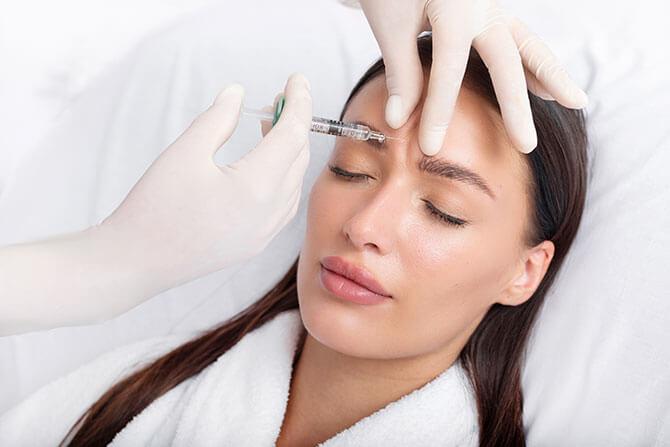
Understanding Botox Injections for Facial Wrinkles
Facial wrinkles are a natural part of aging, but their appearance can become more noticeable due to repeated facial movements, sun exposure, environmental factors, and changes in skin elasticity. Many people explore cosmetic treatments to soften these lines while maintaining their natural facial expressions. Botox is one of the commonly used non-surgical options for reducing certain types of facial wrinkles.
Botox injections in Riyadh are an option for people seeking to address expression lines on the forehead, between the eyebrows, and around the outer corners of the eyes. The treatment uses botulinum toxin type A, a purified substance that temporarily reduces activity in selected muscles. When administered appropriately by a qualified medical professional, it can soften wrinkles caused by repeated muscle contractions.
Understanding how the procedure works, what results may look like, and how to prepare for treatment helps individuals make informed decisions. A professional consultation is essential to determine whether Botox is suitable for a person's facial concerns, medical history, and aesthetic goals.
How Botox Works to Reduce Facial Wrinkles
The Science Behind Botox Treatment
Botox works by temporarily blocking the release of acetylcholine, a chemical messenger that signals muscles to contract. When the targeted muscles become less active, the skin above them experiences less repetitive folding. This can make certain expression lines appear softer.
The treatment is particularly effective for dynamic wrinkles, which develop through repeated facial movements such as frowning, squinting, and raising the eyebrows. Over time, these movements can contribute to visible lines, even when the face is at rest.
However, Botox does not address every type of wrinkle. Lines caused primarily by sun damage, loss of skin volume, or changes in skin texture may require different treatments. A qualified practitioner can assess the underlying cause of the wrinkles and recommend an appropriate approach.
Dynamic Wrinkles and Static Wrinkles
Dynamic wrinkles become more visible during facial expressions, while static wrinkles remain noticeable when the face is relaxed. Botox generally works best for dynamic wrinkles because it reduces the muscle activity responsible for creating them.
Some static wrinkles may also soften after treatment, particularly when repetitive muscle movement contributes to their appearance. However, deeper lines that have developed over many years may not disappear completely with Botox alone.
A realistic treatment plan considers the type, depth, and location of wrinkles rather than promising completely smooth skin. This approach supports natural-looking results and helps individuals understand what the procedure can reasonably achieve.
Common Facial Areas Treated With Botox
Forehead Lines
Forehead lines commonly appear when a person raises their eyebrows. Repeated movements can gradually make these horizontal lines more noticeable. Botox may reduce the activity of selected forehead muscles, helping soften their appearance.
Treatment requires careful assessment because the forehead muscles also contribute to eyebrow position. Excessive weakening can cause unwanted heaviness or changes in the eyebrows. An experienced medical professional considers facial anatomy and muscle strength before determining the treatment approach.
Frown Lines Between the Eyebrows
Vertical lines between the eyebrows, sometimes called frown lines or glabellar lines, often develop through repeated frowning. These lines may make a person appear tired, worried, or irritated even when they feel relaxed.
Botox can temporarily reduce the muscle contractions responsible for these wrinkles. The goal is to soften the lines while preserving a natural appearance. Treatment should be tailored to individual muscle movement, facial proportions, and desired outcomes.
Crow's Feet Around the Eyes
Crow's feet are fine lines that form around the outer corners of the eyes, often becoming more noticeable when smiling or squinting. Botox may help soften these lines by reducing activity in the muscles surrounding the eyes.
Because this area requires precision, the practitioner must understand the surrounding muscles and the delicate structures of the face. Appropriate treatment can help maintain natural smiling expressions while reducing the prominence of certain wrinkles.
What to Expect During a Botox Appointment
Initial Consultation and Facial Assessment
A Botox appointment typically begins with a discussion of the individual's concerns, expectations, medical history, and previous cosmetic treatments. The practitioner may examine facial movements, skin condition, muscle strength, and the location of existing wrinkles.
Patients should disclose relevant medical conditions, allergies, medications, supplements, and any history of neuromuscular disorders. Pregnancy, breastfeeding, certain medical conditions, and particular medications may affect whether treatment is appropriate. The practitioner can explain any necessary precautions.
This consultation is also an opportunity to discuss possible side effects, realistic outcomes, and alternative treatments. Individuals should feel comfortable asking questions and should never feel pressured to proceed if they are uncertain.
The Injection Procedure
Botox treatment is usually performed in an outpatient setting and does not generally require general anesthesia. The practitioner cleans the treatment area and uses a fine needle to inject small amounts of the product into selected muscles.
The number and placement of injections depend on the treatment area, muscle activity, facial anatomy, and the individual's goals. Some people experience brief pinching or mild discomfort during the procedure, while others find it relatively easy to tolerate.
The appointment is generally short, although the total duration depends on the number of areas being treated and the consultation requirements. Patients should follow the practitioner's instructions and avoid touching or rubbing the injection sites unnecessarily afterward.
Results and Recovery After Botox Injections
When Results Become Visible
Botox does not usually produce its full effect immediately. Some individuals begin noticing changes within a few days, while the results generally develop over approximately one to two weeks. The timing can vary depending on the treatment area, product, and individual response.
The treated muscles gradually become less active, allowing certain expression lines to appear softer. A follow-up assessment may help determine whether the outcome meets expectations and whether any additional clinical evaluation is appropriate.
It is important to allow sufficient time for the treatment to take effect before judging the final result. Patients should follow their practitioner's advice rather than seeking unnecessary additional injections too soon.
How Long the Results May Last
The effects of Botox commonly last around three to four months, although individual results vary. Muscle activity gradually returns as the body processes the product, and wrinkles may become more noticeable again.
Factors such as muscle strength, treatment area, dosage, and individual metabolism can influence how long the results remain visible. Some people may notice longer or shorter-lasting effects.
Maintenance treatment may be considered when the effects begin to wear off, but the appropriate timing should be discussed with a qualified practitioner. Repeated treatment should be guided by clinical assessment rather than a fixed schedule that does not account for individual needs.
Aftercare and Daily Activities
After treatment, the practitioner may recommend specific precautions based on the injection sites and individual circumstances. Patients are generally advised to avoid rubbing or massaging the treated areas immediately after injections and to follow any instructions about exercise, skincare, and other activities.
Mild redness, tenderness, swelling, or small bruises may occur around the injection sites. These effects are often temporary. Patients should contact their healthcare professional if symptoms are concerning, persistent, or worsening.
Seek urgent medical attention if serious symptoms occur, including difficulty breathing or swallowing, significant generalized weakness, or vision changes. Although uncommon, complications can occur and should not be ignored.
Safety Considerations for Botox Treatment
Choosing a Qualified Medical Professional
The safety and quality of Botox treatment depend significantly on the practitioner's qualifications, knowledge of facial anatomy, injection technique, and use of an authorized product. Individuals should seek an appropriately licensed healthcare professional with relevant experience in facial aesthetic procedures.
The product should come from a legitimate, regulated supply chain and be administered according to approved instructions. Patients should avoid unlicensed providers, products of uncertain origin, and treatments performed in unsuitable environments.
A responsible practitioner explains the benefits, limitations, risks, and alternatives before obtaining informed consent. They should also provide clear guidance on what to do if side effects develop.
Possible Side Effects and Risks
Common side effects include temporary bruising, swelling, redness, and discomfort at the injection sites. Some people may experience headaches or temporary asymmetry. Depending on the injection area and technique, eyelid or eyebrow drooping can also occur.
Rarely, botulinum toxin effects may spread beyond the injection site and cause more serious symptoms, including muscle weakness or difficulty swallowing, speaking, or breathing. These symptoms require immediate medical attention.
Discussing medical history and following professional advice can help reduce avoidable risks. Nevertheless, no cosmetic procedure is completely risk-free, and treatment should only proceed when the potential benefits outweigh the risks for the individual.
Botox Injections in Saudi Arabia: Making an Informed Decision
Interest in non-surgical facial rejuvenation has encouraged more people to explore cosmetic treatments in different parts of Saudi Arabia. Botox is one option for managing expression-related wrinkles, but choosing treatment should involve more than focusing on appearance alone.
Individuals considering Botox injections in Riyadh should evaluate their goals, understand the expected duration of results, and learn about potential complications before proceeding. A personalized consultation can help determine whether Botox is appropriate or whether other options may better address concerns such as deep static wrinkles, uneven skin texture, or sun-related damage.
Skincare habits can also support overall skin health. Daily broad-spectrum sunscreen, suitable moisturizers, adequate sleep, and avoiding smoking can help protect the skin from premature aging. These measures do not replace Botox, but they may complement an individualized approach to facial care.
Conclusion
Botox can be an effective non-surgical option for temporarily softening forehead lines, frown lines, and crow's feet caused by repeated facial movements. Understanding the procedure, expected results, recovery process, and potential risks allows individuals to make informed decisions about facial rejuvenation. Results vary, and the treatment does not eliminate every type of wrinkle or stop the natural aging process.
Anyone considering Botox injections in Riyadh should prioritize a qualified medical professional, realistic expectations, and a thorough consultation. Learning about Botox injections in Saudi Arabia also means understanding the importance of appropriate product selection, safe administration, and individualized aftercare. For further information about aesthetic treatment options and professional guidance, Enfield Royal Clinic Saudi can be explored as a resource when researching facial rejuvenation services.
Frequently Asked Questions
What are Botox injections used for in Riyadh?
Botox injections are commonly used to temporarily soften dynamic facial wrinkles, including forehead lines, frown lines between the eyebrows, and crow's feet around the eyes. A qualified medical professional can assess whether the treatment is suitable for an individual's concerns.
How long does Botox take to show results?
Some changes may become noticeable within a few days, but the full effect generally develops over approximately one to two weeks. The timing varies according to the treatment area and individual response.
How long do Botox injections last?
Results commonly last around three to four months. The duration depends on factors such as the treatment area, muscle activity, and individual response. Wrinkles may gradually return as muscle activity resumes.
Are Botox injections safe for facial wrinkles?
Botox has an established medical and cosmetic use when administered appropriately by a qualified professional. However, side effects and complications are possible. A medical assessment helps identify potential risks and determine whether treatment is appropriate.
What should I avoid after Botox injections?
Follow the treating professional's instructions. Patients are generally advised not to rub or massage injection sites immediately after treatment. They should also ask their practitioner about exercise and other activities, as recommendations may vary according to the procedure and individual circumstances.
Who is a suitable candidate for Botox injections in Saudi Arabia?
Suitability depends on medical history, treatment goals, facial anatomy, and individual circumstances. Adults concerned about expression-related wrinkles may be candidates after an appropriate assessment. People who are pregnant or breastfeeding, have certain neuromuscular conditions, or have other relevant medical concerns should discuss treatment with a qualified healthcare professional before proceeding.

 English
 Arabic
 French
 Spanish
 Portuguese
 Deutsch
 Turkish
 Dutch
 Italiano
 Russian
 Romaian
 Greek
