


Laser Acne Scar Treatments in Riyadh for Pitted and Indented Scars
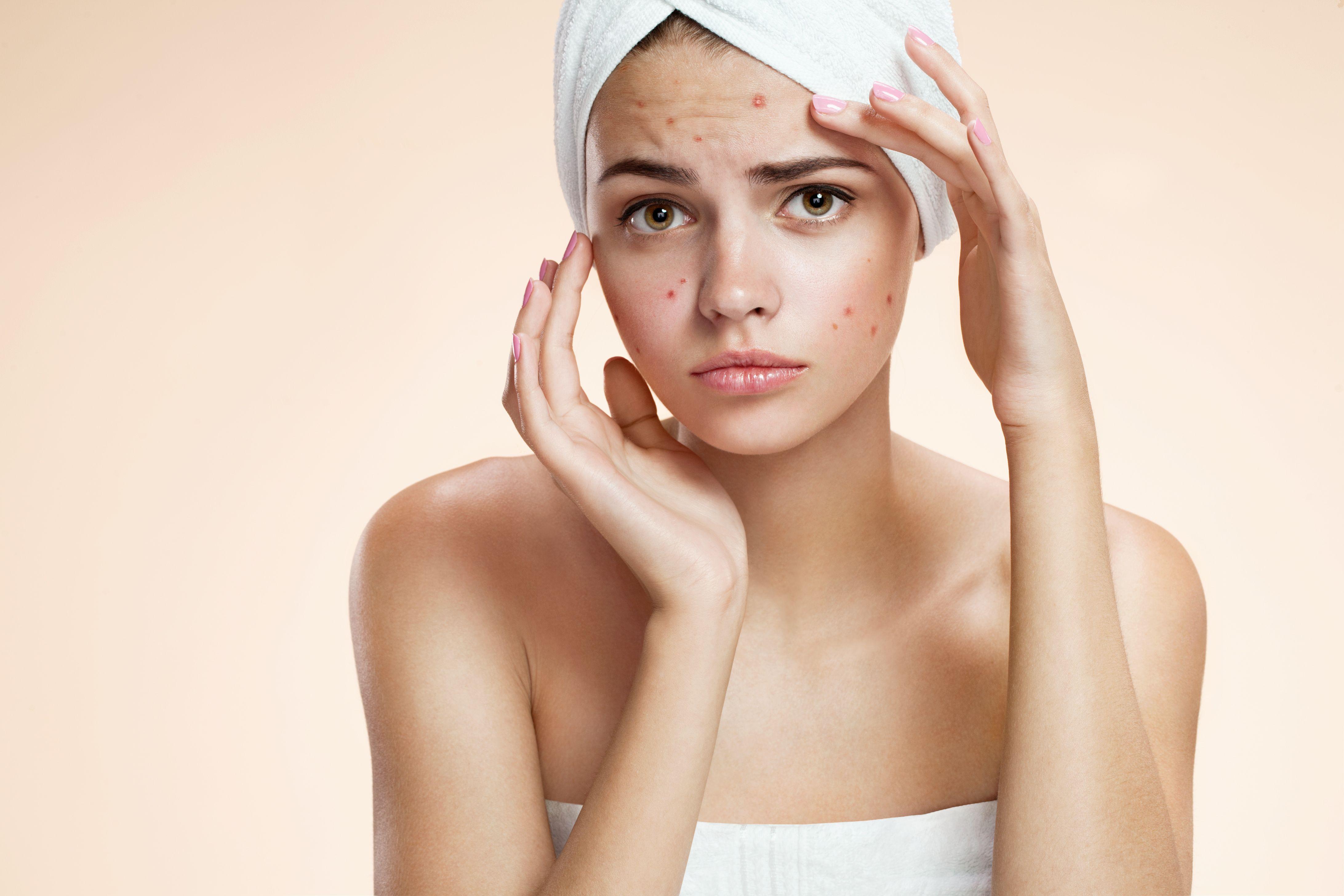
Acne scars can affect the appearance and texture of the skin long after active acne has disappeared. Depressed marks, uneven skin texture, and visible scars may remain on the cheeks, forehead, chin, and other areas of the face. For people seeking smoother-looking skin, laser procedures have become an important option in modern dermatology. Understanding how Laser Acne Scar Treatments in Riyadh work, which technologies are available, and what influences treatment outcomes can help individuals make informed decisions about their skincare journey.
Riyadh's growing interest in advanced skincare reflects a wider demand for evidence-based solutions that address different types of acne scarring. However, not every scar responds to the same procedure, and results depend on factors such as scar depth, skin type, and individual healing responses. Learning about treatment options, safety considerations, and realistic expectations is an essential first step toward choosing an appropriate approach to skin repair.
Understanding Acne Scars and Their Causes
Acne scars can develop when inflammation associated with acne damages the skin's underlying structures. During the healing process, the body produces collagen to repair affected tissue. If too little collagen forms, depressed scars may appear. Excess collagen can contribute to raised scars in some individuals.
Different types of acne scars require different treatment approaches. Identifying the type of scarring helps a qualified dermatologist determine whether laser resurfacing, another dermatological procedure, or a combination of treatments may be appropriate.
Common Types of Acne Scars
Atrophic scars are depressions in the skin caused by a loss of supporting tissue. These include ice-pick scars, which are narrow and deep; boxcar scars, which have defined edges; and rolling scars, which create an uneven, wave-like appearance.
Hypertrophic scars and keloids are raised scars associated with excess collagen production. Although they can develop following acne, their management differs from that of depressed scars. Flat red or brown marks left after acne are also common, but these marks are not necessarily true scars. A professional skin assessment can distinguish between textural scarring and changes in pigmentation.
How Laser Acne Scar Treatments in Saudi Arabia Work
Laser procedures use controlled light energy to target specific structures within the skin. Depending on the technology, the treatment may remove microscopic portions of damaged tissue, stimulate collagen production, or improve selected pigmentation concerns. These processes can gradually improve skin texture and the visible appearance of certain acne scars.
Laser Acne Scar Treatments in Riyadh may involve ablative or non-ablative technologies. Ablative lasers remove targeted layers of skin, encouraging the formation of new tissue during healing. Non-ablative lasers deliver energy beneath the skin's surface while preserving more of the outer skin layer. The appropriate approach depends on the individual's scars, skin characteristics, and tolerance for recovery time.
Ablative Laser Resurfacing
Ablative laser resurfacing is commonly considered for selected patients with noticeable textural irregularities and depressed acne scars. Certain carbon dioxide and erbium-based lasers can create controlled treatment zones that encourage skin renewal and collagen remodeling.
This approach may provide meaningful improvement in suitable cases, but it generally involves more downtime than gentler alternatives. Temporary redness, swelling, peeling, and sensitivity can occur during recovery. A dermatologist should assess the potential benefits and risks before recommending this procedure.
Non-Ablative Laser Treatments
Non-ablative lasers heat targeted tissue without removing the entire outer skin layer. The resulting controlled thermal response can stimulate collagen remodeling over time. These procedures may be suitable for people seeking gradual improvement with less downtime than more intensive resurfacing treatments.
Several sessions may be needed, and the degree of improvement varies. Non-ablative treatments do not eliminate every type of acne scar, particularly deep or sharply defined scars. Treatment selection should therefore be based on clinical assessment rather than general claims about laser effectiveness.
Fractional Laser Technology
Fractional lasers deliver energy in numerous microscopic treatment zones, leaving surrounding tissue relatively unaffected. This pattern can support healing while stimulating the skin's natural repair processes. Fractional technology may be used with either ablative or non-ablative systems.
For some individuals, fractional resurfacing can improve uneven texture, depressed scars, and the overall appearance of the skin. The number of sessions and the intensity of treatment depend on scar severity, skin type, and recovery response.
Choosing the Right Laser Treatment for Acne Scars
Selecting an appropriate procedure requires more than identifying the latest laser technology. A qualified dermatologist should evaluate the scar pattern, skin tone, history of pigmentation changes, previous treatments, and any ongoing acne. These details help establish a treatment plan that balances potential improvement with safety.
Skin Type and Pigmentation Considerations
People with darker skin tones may have a greater risk of post-inflammatory hyperpigmentation after certain laser procedures. This does not automatically rule out laser treatment, but it makes careful device selection, appropriate settings, and professional experience especially important.
A dermatologist may recommend a test spot or a conservative treatment approach when appropriate. Patients should also discuss any history of keloids, unusual scarring, cold sores, or previous reactions to skin procedures before treatment.
Matching the Treatment to the Scar Type
Different scars respond differently to laser therapy. Rolling scars may require an approach that addresses tethering beneath the skin, while deep ice-pick scars may respond less effectively to laser resurfacing alone. Raised scars also require a different management strategy from depressed scars.
In selected cases, dermatologists may combine laser procedures with treatments such as subcision, microneedling, chemical reconstruction techniques, or other medically appropriate interventions. Combination therapy should be individualized rather than assumed to be necessary for everyone.
What to Expect Before, During, and After Treatment
Preparing properly for laser treatment can help reduce avoidable complications and support recovery. Before the procedure, a dermatologist should explain the treatment method, expected benefits, limitations, possible side effects, and aftercare instructions. Patients should disclose their skincare products, medications, recent tanning, and relevant medical history.
During treatment, the skin is cleansed, and protective measures are used according to the laser system. A topical anesthetic or another comfort measure may be recommended depending on the procedure. The sensation can range from mild warmth or prickling to greater discomfort during more intensive resurfacing.
Recovery and Aftercare
Recovery varies according to the laser type, treatment intensity, and individual healing response. Mild procedures may cause temporary redness and sensitivity, while ablative resurfacing can involve peeling, crusting, and a longer period of healing. Following the treating professional's instructions is essential.
General aftercare may include:
-
Using a gentle cleanser and recommended moisturizer.
-
Applying broad-spectrum sunscreen with SPF 30 or higher once appropriate for the healing skin.
-
Avoiding picking, scrubbing, and exfoliating until the skin has recovered.
-
Avoiding unnecessary sun exposure and following guidance about heat or strenuous activity.
-
Using only skincare products approved for the recovery period.
Patients should contact their treating professional if they experience worsening pain, spreading redness, pus, fever, or other concerning symptoms. Prompt assessment can help identify complications that require medical attention.
Results and Realistic Expectations
Laser treatment generally improves acne scars gradually rather than producing an immediate transformation. Collagen remodeling continues over time, so visible changes may develop over several weeks or months. Depending on the type and severity of scarring, a series of sessions may be recommended.
It is important to understand that complete scar removal cannot be guaranteed. Some scars become less noticeable, and the skin may appear smoother, but residual texture can remain. Factors such as age, scar depth, skin condition, treatment technique, and adherence to aftercare all influence the final outcome.
Individuals should also understand the possible risks, including prolonged redness, burns, infection, pigmentation changes, and, less commonly, additional scarring. Choosing an appropriately qualified medical professional and following individualized advice can help manage these risks.
Finding Laser Acne Scar Treatments in Riyadh
When researching Laser Acne Scar Treatments in Riyadh, prioritize medical expertise, transparent communication, and a treatment plan tailored to your skin. Ask which laser technology is being recommended, why it suits your scar type, how many sessions may be needed, and what recovery involves. It is also useful to discuss potential alternatives if laser therapy is unlikely to address a particular scar effectively.
People searching more broadly for Laser Acne Scar Treatments in Saudi Arabia should apply the same considerations regardless of location. The quality of the assessment, the practitioner's experience with the relevant skin type, and realistic expectations are more important than choosing a procedure solely because it is described as advanced.
Questions to Ask During a Consultation
Before proceeding, consider asking the dermatologist:
-
Which types of acne scars are present, and how severe are they?
-
Which laser technology is suitable for my skin tone and scar pattern?
-
What improvement is realistic, and what limitations should I expect?
-
How long will recovery take, and what side effects are possible?
-
Would another treatment or a combination approach be more suitable?
These questions encourage an informed discussion and help patients understand the reasoning behind their treatment plan.
Frequently Asked Questions
Can laser treatments completely remove acne scars?
Laser procedures can reduce the visibility of certain acne scars and improve skin texture, but complete removal is not guaranteed. Results depend on scar type, depth, skin characteristics, and treatment selection.
Are laser acne scar treatments suitable for every skin type?
Not every laser or treatment setting is suitable for every skin type. People with darker skin tones may need specific technologies and conservative settings to reduce the risk of pigmentation changes. A dermatologist should evaluate individual suitability.
How many laser sessions are needed for acne scars?
The number of sessions varies according to scar severity, laser technology, and individual response. Some people may benefit from a single intensive procedure, while others need multiple sessions spaced over several weeks or months.
Is laser treatment painful?
The level of discomfort depends on the laser and treatment intensity. Patients may experience warmth, prickling, or temporary stinging. Depending on the procedure, a topical anesthetic or another comfort measure may be used.
How long does recovery take after laser acne scar treatment?
Recovery may range from a short period of redness after a gentler procedure to a longer healing phase following ablative resurfacing. The treating professional should provide a personalized recovery timeline and detailed aftercare instructions.
Are laser acne scar treatments available across Saudi Arabia?
Laser-based acne scar procedures are available in Saudi Arabia, including Riyadh. Suitable options depend on the available technology, the practitioner's qualifications, and the patient's individual needs. A consultation helps determine the most appropriate treatment approach.
Conclusion
Choosing the right approach to acne scar treatment begins with understanding the type of scarring, available laser technologies, possible risks, and realistic outcomes. Laser Acne Scar Treatments in Riyadh can offer meaningful improvements for suitable candidates, particularly when treatment is selected according to skin type and scar characteristics. Professional assessment, careful aftercare, and patience during the healing process are essential parts of achieving the best possible results.
For individuals exploring treatment options, Enfield Royal Clinic Saudi can be a starting point for learning about available aesthetic and dermatological services. Before deciding on any procedure, arrange a professional assessment, discuss the expected benefits and limitations, and ensure the proposed plan is appropriate for your skin. An individualized, evidence-informed approach offers a more reliable path toward smoother-looking skin and improved confidence.

 English
 Arabic
 French
 Spanish
 Portuguese
 Turkish
 Dutch
 Italiano
 Russian
 Romaian
 Portuguese (Brazil)
 Greek
