


Topical Treatments vs. Laser Treatment for Skin Pigmentation
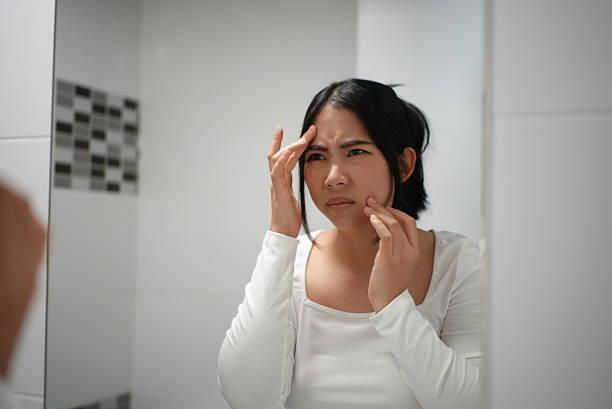
Skin pigmentation can appear as dark spots, uneven skin tone, brown patches, or discoloration that develops after acne, sun exposure, hormonal changes, or inflammation. Choosing the right treatment depends on the cause of pigmentation, its depth, the person's skin tone, and the condition of the skin. Two commonly considered options are topical treatments and laser procedures. Both may improve selected pigmentation concerns, but they work differently and have distinct benefits and limitations. Understanding these differences can help individuals make informed decisions about their skincare. Professional Skin Pigmentation Treatment in Riyadh (علاج فرط التصبغ جدة) begins with identifying the type of discoloration before selecting a suitable treatment approach.
Understanding Topical Treatments for Skin Pigmentation
Topical treatments are creams, gels, serums, or lotions applied directly to the skin. They may contain ingredients that help reduce excess pigment production, encourage skin renewal, or improve the appearance of existing dark spots. Depending on the ingredient and diagnosis, topical products can be used alone or as part of a broader treatment plan.
Common Ingredients in Topical Treatments
Several ingredients are used to manage different forms of pigmentation. Hydroquinone may be prescribed for selected pigmentation conditions under medical supervision. Azelaic acid can help with acne-related discoloration and some other forms of hyperpigmentation. Retinoids support skin cell turnover and may improve uneven tone, while vitamin C can provide antioxidant benefits and help brighten the appearance of the complexion.
Niacinamide may support the skin barrier and help reduce the transfer of pigment to surface skin cells. Other ingredients, such as kojic acid and certain exfoliating acids, may also be recommended depending on the skin's needs. Not every ingredient suits every person, and combining multiple active products without guidance can cause irritation.
Benefits of Topical Treatments
Topical treatments are generally non-invasive and can be incorporated into a home skincare routine. They may be particularly useful for widespread discoloration, mild pigmentation, and conditions that require ongoing management. Some topical ingredients can also help address contributing concerns, such as acne, which may otherwise lead to additional dark marks.
Results usually develop gradually over several weeks or months. Regular use, appropriate product selection, and consistent sun protection are important for achieving and maintaining improvement. Some products are available without a prescription, while others require a clinician's guidance.
Understanding Laser Treatment for Skin Pigmentation
Laser treatments use selected wavelengths of light to target pigment or specific structures within the skin. Depending on the device and settings, the energy may break pigment into smaller particles or stimulate controlled skin renewal. The body's natural processes then gradually remove or replace the treated material.
Laser procedures may be considered for certain sunspots, age spots, and other carefully diagnosed pigmentation concerns. Different laser technologies target pigment in different ways, so a device suitable for one condition may not be appropriate for another.
How Laser Procedures Work
During treatment, a trained professional directs laser energy toward the selected area. Some procedures cause temporary redness, swelling, darkening of the treated spots, or crusting as the skin heals. The degree of discomfort and recovery time depend on the laser type, treatment settings, and area being treated.
Not all pigmentation responds well to laser therapy. Melasma, for example, can be particularly challenging because heat and inflammation may trigger further discoloration. A thorough assessment is necessary before considering a laser procedure.
Benefits of Laser Treatment
Laser treatment can target selected spots more directly than applying a topical product across the skin. Some individuals may notice improvement after one or several sessions, depending on the pigmentation and technology used. A practitioner may also consider certain laser procedures when topical treatments have not provided sufficient improvement.
However, laser treatment is not automatically faster, more effective, or more suitable than topical care. It may involve more downtime, higher treatment complexity, and a risk of adverse pigment changes. Results vary, and additional maintenance may be necessary.
Topical Treatments vs. Laser Treatment: Key Differences
The main difference between these options is how they act on the skin. Topical products work through ingredients applied to the skin's surface, while lasers deliver controlled light energy to specific targets.
Treatment Approach
Topical treatments are often useful for managing diffuse discoloration, maintaining improvement, and addressing ongoing pigment production. Laser procedures may be considered for selected, localized spots or specific conditions that respond to the chosen technology.
Time Needed for Results
Topical treatments usually require consistent use over weeks or months. Laser procedures may produce visible changes sooner for certain superficial spots, but healing and final results can still take time. Neither option guarantees complete removal of pigmentation.
Recovery and Possible Side Effects
Topical products may cause dryness, redness, peeling, or irritation, especially when used too frequently or in unsuitable combinations. Laser procedures can cause temporary swelling, redness, crusting, or changes in skin color. In some cases, both approaches can worsen pigmentation if they irritate the skin.
Suitability for Different Skin Tones
Both topical and laser treatments can be used for different skin tones, but individual assessment is essential. People with medium to deep skin tones may have a greater risk of post-inflammatory hyperpigmentation after irritating treatments or certain laser procedures. Device selection, energy settings, and practitioner experience are important factors in reducing risk.
Which Treatment Is Better for Your Skin?
There is no single best treatment for every pigmentation concern. The right choice depends on the diagnosis, how long the discoloration has been present, its depth, previous treatment results, and the person's sensitivity and medical history.
Topical treatment may be a suitable starting point for mild or widespread pigmentation, particularly when a long-term skincare routine is needed. Laser treatment may be considered for certain well-defined spots when the diagnosis and skin characteristics make the procedure appropriate. In some cases, a clinician may recommend a carefully planned combination of topical products and professional procedures.
For melasma or pigmentation that repeatedly returns, management often requires long-term care rather than a single procedure. A professional assessment for Skin Pigmentation Treatment in Riyadh can help determine which approach is appropriate and whether a combination offers a better balance of potential benefits and risks.
How to Prevent Pigmentation From Returning
Treatment is only one part of managing discoloration. Daily habits can influence how well results last and whether new pigmentation develops.
Use Broad-Spectrum Sunscreen
Apply broad-spectrum sunscreen with SPF 30 or higher every day, following the product instructions and reapplying during prolonged outdoor exposure. Hats, shade, and protective clothing provide additional support. Sunlight can darken existing spots and contribute to new discoloration.
Avoid Skin Irritation
Use gentle cleansers and moisturizers, and introduce active skincare ingredients gradually. Avoid picking acne, scratching the skin, or combining strong exfoliants without professional guidance. Inflammation can trigger additional dark marks, particularly in skin that is prone to hyperpigmentation.
Follow an Individualized Routine
A clinician may recommend a maintenance product or periodic review to help control recurring pigmentation. If a product causes persistent burning, swelling, or significant redness, stop using it and seek professional advice. New, changing, irregular, or bleeding pigmented lesions should be medically assessed before cosmetic treatment.
Frequently Asked Questions
Are topical treatments safer than laser treatment?
Topical products are generally less invasive, but they can still cause irritation or other side effects. Laser procedures carry additional risks, including burns and pigment changes. Safety depends on the product or device, the diagnosis, and the individual's skin characteristics.
Can I use topical treatments after laser treatment?
Some topical products may be part of post-laser care, but the timing depends on the procedure and how the skin heals. Avoid retinoids, exfoliating acids, and other potentially irritating products until your treating professional advises that they can be safely restarted.
Does laser treatment permanently remove pigmentation?
Laser treatment may reduce selected spots, but it cannot guarantee permanent removal. New discoloration can develop through sun exposure, hormonal influences, inflammation, or recurrence of the underlying condition.
Can topical treatments and laser procedures be combined?
Yes, in selected cases. A clinician may recommend topical products before or after a procedure, but the timing and ingredients must be chosen carefully to avoid irritation and unwanted pigment changes.
How do I know which treatment is right for me?
A qualified dermatologist or experienced medical professional can examine the pigmentation, identify possible causes, review your medical history, and discuss suitable options. This assessment is particularly important before laser treatment.
Book a Skin Pigmentation Consultation
Choosing between topical products and laser procedures starts with understanding your skin's specific needs. Royal Clinic Saudia (عيادات رويال كلينك) can help you explore suitable options through an individualized consultation, with attention to treatment goals, skin sensitivity, potential risks, and ongoing sun protection. A personalized plan can support gradual, realistic improvement in the appearance of uneven skin tone.

 English
 Arabic
 French
 Spanish
 Portuguese
 Deutsch
 Turkish
 Dutch
 Italiano
 Russian
 Romaian
 Portuguese (Brazil)
