


Supreme and the Connection Between Streetwear and Cultural Preservation
Fashion as a Record of Changing Times
Clothing can reveal a great deal about the period in which it was created. Colors, silhouettes, graphics, and materials often reflect the interests, challenges, and creative movements of a particular generation. Streetwear is especially interesting because it has developed alongside music, visual art, youth culture, and changing ideas about identity. Looking at garments as cultural objects helps people understand that fashion is not simply about appearance. It can also preserve memories, document social changes, and show how everyday influences become part of a wider creative history.
Why Fashion Belongs in Cultural Conversations
Museums and cultural institutions traditionally display paintings, sculptures, historical objects, and important documents. Clothing can offer another perspective because it shows how people expressed themselves through everyday choices. A jacket, graphic T-shirt, or pair of sneakers may represent a specific moment in design history or a movement that influenced popular culture. Exhibiting these objects alongside photographs and written records provides additional context. Visitors can explore how fashion responded to its surroundings and how certain styles became recognizable beyond the communities where they first developed.
Preserving the Stories Behind Streetwear
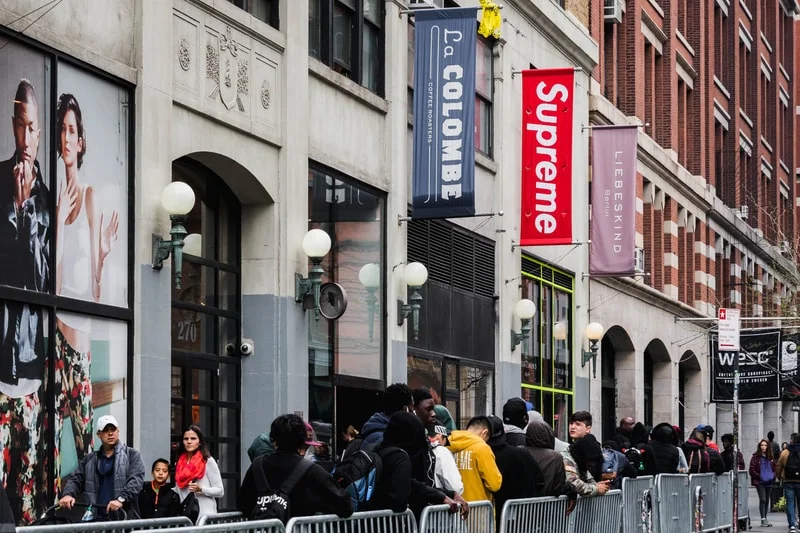
Preserving clothing requires more than keeping an interesting garment in storage. Its history becomes more meaningful when information about its design, production, original owner, and cultural background is recorded. Photographs, interviews, advertisements, and contemporary reviews can help explain why an item mattered when it first appeared. Supreme London offers a useful reference when examining how a recognizable streetwear identity can be understood within a particular urban setting. Studying fashion in context helps researchers distinguish between the appearance of a garment and the broader story that gives it cultural significance.
Graphics as Visual Documents
Graphics are an important part of streetwear because they can communicate ideas through images, typography, symbols, and references. Some designs draw inspiration from art movements, while others reflect entertainment, social experiences, or everyday observations. Their meaning can change as audiences and cultural circumstances evolve. Preserving these graphics allows future researchers to study how visual communication develops over time. Original advertisements, product photographs, packaging, and printed materials can all provide useful evidence. Together, these records help explain how a simple design can become associated with a particular period or community.
The Hoodie as a Cultural Object
The hoodie has moved through many different environments, from athletic settings and workwear traditions to music scenes and contemporary fashion. Its practical shape makes it familiar, while its styling can communicate a wide range of personal preferences. A Supreme Hooded Sweatshirt can serve as an example when discussing how a familiar garment category becomes part of a recognizable design language. Researchers might examine its silhouette, graphic treatment, materials, and release context to understand how it fits into a broader fashion story. Such analysis considers the garment as both a functional object and a cultural artifact.
Archives and the Importance of Accurate Information
Fashion archives depend on reliable records. Without accurate dates, descriptions, and background information, it becomes difficult to establish how a garment relates to other designs or historical events. Archiving can involve photographing each item, documenting its condition, identifying its materials, and recording any available information about its origin. When details are uncertain, responsible researchers distinguish confirmed facts from assumptions. This careful approach protects the credibility of a collection and makes it more useful for students, historians, designers, and anyone interested in understanding fashion beyond current trends.
How Collectors Contribute to Preservation
Private collectors sometimes preserve garments and printed materials that might otherwise disappear from public view. Their collections can include unusual designs, discontinued products, original packaging, and promotional materials that provide insight into different eras. However, collecting becomes more valuable when objects are documented and stored responsibly. Information about where an item came from and how its condition has changed can help establish its historical context. Collectors may also contribute photographs or records to researchers and exhibitions, allowing more people to learn from objects that would otherwise remain difficult to access.
Understanding Brands Within a Wider History
A fashion label does not develop in isolation. Its visual identity can be influenced by artists, photographers, musicians, designers, customers, and the environment in which it operates. Supreme Clothing can be explored as one example within discussions of branding, visual recognition, and the relationship between fashion and cultural documentation. Studying any label carefully involves looking beyond logos to consider design choices, communication methods, audience responses, and historical circumstances. This wider perspective helps explain how fashion identities develop and why their meanings may change across different generations.
Caring for Garments That Have Historical Value
Preservation also involves understanding how clothing deteriorates. Light, moisture, dust, unsuitable storage materials, and frequent handling can damage fabrics and printed graphics. Collectors and institutions often use appropriate storage conditions, gentle handling procedures, and protective materials to reduce unnecessary wear. For everyday owners, basic care can also help garments remain wearable for longer. Following the care label, avoiding unnecessarily harsh washing, and storing items in suitable conditions can protect their appearance. When a piece has special historical or personal significance, documenting its condition before cleaning or repair may be worthwhile.
Digital Archives and Wider Public Access
Digital technology makes fashion history easier to explore. Museums, libraries, and independent researchers can share high-quality photographs, scanned advertisements, interviews, and catalog records through online collections. Digital archives allow people to compare objects without travelling to different institutions, making research more accessible to students and fashion enthusiasts. They can also preserve information about items that are fragile or difficult to display. Accurate descriptions and clear image credits remain important, however, because digital access is most useful when visitors can understand the source and context of the material they are viewing.
Streetwear and the Next Generation of Researchers
Young designers and fashion students can help preserve cultural history by documenting the styles they encounter today. They might photograph local clothing displays, interview experienced creatives, record the background of independent labels, or create organized collections of visual references. A Supreme Hoodie could be studied alongside other garments to compare graphic placement, construction, branding, and changes in styling preferences. The objective is not simply to rank products but to understand what design choices reveal about their time. This kind of research encourages curiosity and helps prevent important details of contemporary culture from being overlooked.
Keeping Fashion History Relevant
Cultural preservation works best when historical knowledge remains connected to present-day life. Exhibitions, educational projects, interviews, and digital collections can show how clothing reflects changing attitudes and creative practices. Streetwear offers a particularly accessible entry point because many people already connect with it through music, art, sport, and everyday dressing. By recording the stories behind garments and respecting the communities that influenced them, researchers can create a more complete picture of fashion history. Preserving these details ensures that future generations can explore not only what people wore, but also the ideas and experiences those clothes represented.

 English
 Arabic
 French
 Spanish
 Portuguese
 Deutsch
 Dutch
 Italiano
 Russian
 Romaian
 Portuguese (Brazil)
 Greek
