


Cohiba Cuban Cigars: Understanding the Behike, Robustos, and Siglo Series
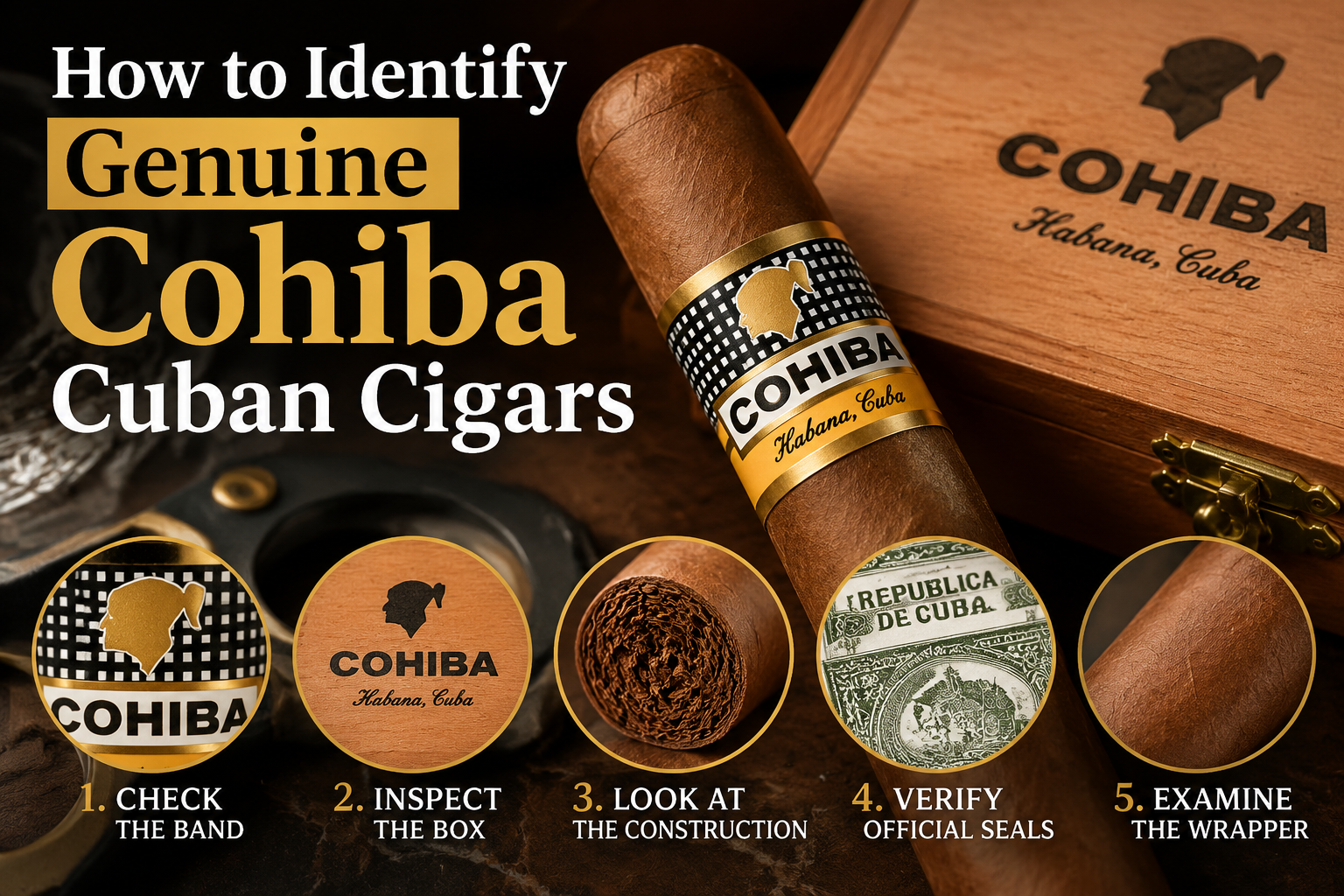
Cohiba is one of the most recognisable names in the Cuban cigar industry, with a product range that includes distinctive collections, traditional cigar formats, and commemorative releases. Among the best-known options are the Behike collection, the Cohiba Robusto, and the Siglo series. Each has its own identity, dimensions, and place within the brand's history.
Although these names are sometimes compared as if they represent three separate collections, they describe different things. Behike is a dedicated cigar line, Robusto is a cigar format, and Siglo is a series of Cohiba products. Understanding these distinctions makes it easier to compare their specifications and characteristics.
The Origins of Cohiba Cuban Cigars
Cohiba was established in Cuba in 1966. Initially, its cigars were produced for Cuban government officials and diplomatic gifts. The brand became commercially available internationally in 1982 and gradually developed into a prominent name in the premium cigar market.
Its identity is closely associated with Cuban tobacco cultivation, careful leaf selection, and traditional handmade production. Over the years, Cohiba has introduced several collections with different blends, sizes, and presentation styles.
The brand's reputation is also connected to its distinctive yellow-and-black branding. However, each collection has its own product specifications, and not every Cohiba cigar shares the same tobacco blend or flavour profile.
Cohiba Behike: A Distinctive Premium Collection
The Cohiba Behike collection was introduced in 2010 and attracted considerable attention for its use of medio tiempo tobacco leaves. These leaves develop near the top of certain tobacco plants but do not appear on every plant, making their selection an important part of the production process.
The original Behike range includes three sizes: BHK 52, BHK 54, and BHK 56. Their numbers refer to ring gauge, a measurement of cigar diameter expressed in units of 1/64 of an inch.
The BHK 52 is the shortest of the original three formats, while the BHK 56 is the longest and thickest. The collection is also recognisable for its distinctive presentation, including black lacquered boxes and detailed cigar bands.
Behike's identity comes from its specialised blend and product specifications rather than size alone.
Cohiba Robusto: Understanding the Format
Robusto is a traditional cigar format rather than a separate Cohiba collection. It generally describes a relatively short cigar with a substantial diameter.
The Cuban Cohiba Robusto in the Línea Clásica collection measures approximately 124 mm long, with a ring gauge of 50. Its proportions distinguish it from longer formats such as Churchill and slimmer Corona cigars.
The format is also used by other cigar manufacturers, so the name Robusto does not automatically indicate a particular tobacco blend or flavour.
When researching a Cohiba Robusto, it is useful to check the exact collection, dimensions, and product description. These details provide a more accurate understanding of the cigar than the format name alone.
Cohiba Siglo: The Línea 1492 Series
The Cohiba Siglo series, also known as Línea 1492, was introduced in 1992 to commemorate the 500th anniversary of Christopher Columbus's arrival in the Americas.
The range consists of Siglo I, Siglo II, Siglo III, Siglo IV, Siglo V, and Siglo VI. These formats vary in length and ring gauge, creating a range of proportions within the same series.
Siglo I is among the smaller formats, while Siglo VI is one of the larger options. The exact dimensions differ by product, so checking the official specifications is important when comparing individual cigars.
The Siglo series is defined by its historical connection and its six-format range. It should not be confused with a single cigar size or a particular tobacco strength.
Flavour and Tobacco Characteristics
Cohiba cigars are frequently described using notes such as cedar, earth, roasted coffee, spice, and subtle sweetness. However, these descriptions are subjective, and the actual profile depends on the specific cigar.
Behike is distinguished by its association with medio tiempo tobacco, while the Siglo series and Línea Clásica have their own blending specifications. A Robusto's shape does not determine its flavour because the tobacco blend, fermentation, construction, and storage conditions also influence its characteristics.
For accurate comparisons, readers should consult product-specific information rather than assume that all Cohiba cigars taste alike.
Key Differences at a Glance
The main distinctions are straightforward:
-
Behike: A dedicated collection known for its specialised tobacco blend and original BHK 52, BHK 54, and BHK 56 formats.
-
Robusto: A traditional cigar format characterised by its relatively short length and substantial diameter.
-
Siglo: A six-part Cohiba series introduced in 1992, with formats ranging from Siglo I to Siglo VI.
These categories can overlap in broader cigar terminology, but they are not interchangeable. Comparing the exact product names and specifications helps avoid confusion.
Packaging, Authenticity, and Storage
Cohiba's recognisable branding can make its products attractive targets for counterfeiters. Buyers should examine the original packaging, verify the stated origin, and use official Habanos authentication guidance for Cuban products where applicable.
Purchasing from reputable authorised retailers can help reduce the risk of counterfeit products. Storage also matters: unsuitable humidity and temperature can damage wrappers and affect a cigar's condition, even when the product is genuine.
Final Thoughts
Cohiba Behike, Robusto, and Siglo represent three different aspects of the brand's range. Behike is a specialised collection, Robusto is a cigar format, and Siglo is an established series with six distinct sizes.
Understanding these differences makes it easier to research Cohiba products, compare dimensions, and identify the characteristics associated with each range. For reliable specifications and authentication information, consult the official Habanos website.

 English
 Arabic
 French
 Spanish
 Portuguese
 Turkish
 Dutch
 Italiano
 Russian
 Romaian
 Portuguese (Brazil)
 Greek
