


Integrated Engineering for Modern Power Plant Construction
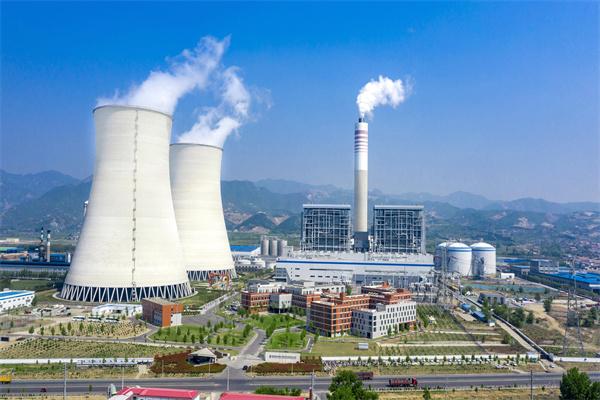
Turning Energy Plans into Working Facilities
Developing a power plant involves much more than installing generators and connecting electrical equipment. It requires coordinated engineering, careful purchasing, organized construction, and thorough testing. An experienced epc contractor for power plant projects can bring these essential activities together, helping developers follow a clear plan from initial design through final commissioning and operational handover.
Establishing the Project Design
Every successful project starts with a practical design based on its generation targets and operating requirements. Engineers evaluate site conditions, plant capacity, equipment arrangements, utility connections, and available infrastructure. They then prepare technical drawings and specifications that guide the work of different project teams.
Mechanical, electrical, civil, and instrumentation specialists coordinate their designs to create a connected facility. This cooperation helps ensure that equipment locations, piping routes, foundations, and electrical systems fit the overall layout. A well-developed design also gives procurement and construction teams a reliable reference for their responsibilities.
Choosing Suitable Power Generation Equipment
Equipment selection depends on the plant's technology, intended output, operating conditions, and maintenance requirements. Depending on the project, the main equipment may include turbines, generators, boilers, pumps, cooling systems, transformers, and control panels.
Engineers review technical specifications to confirm that components are suitable for their intended roles. Procurement teams then coordinate purchasing, documentation, manufacturing schedules, and transportation arrangements. Keeping these activities aligned with the engineering plan helps prepare equipment for installation when the relevant construction areas are ready.
Managing Construction from Start to Finish
Construction brings the project design into the physical environment. Site preparation, foundation work, structural installation, machinery placement, piping, cabling, and equipment connections must follow an organized sequence.
Project managers coordinate contractors, technical personnel, materials, and work schedules. Site inspections help confirm that installation activities follow approved drawings and specifications. Regular communication between construction and engineering teams also supports timely decisions and helps keep each stage aligned with the wider project schedule.
Bringing Project Teams Together
Power plant development depends on several teams working toward shared objectives. Engineering specialists establish the design, procurement personnel arrange equipment, and construction teams complete the installation. Quality professionals and commissioning engineers verify that the work meets the project's technical requirements.
Experienced power plant epc contractors can help coordinate these responsibilities through an integrated engineering, procurement, and construction framework. Clear project documentation, progress reviews, and defined responsibilities help stakeholders understand the status of important activities and prepare for upcoming milestones.
Improving System Integration and Control
A modern power plant functions through the combined operation of mechanical equipment, electrical infrastructure, instrumentation, and automation. These systems need to communicate effectively and operate within their designed parameters.
Control systems allow operators to monitor important measurements, including temperature, pressure, vibration, and equipment output. Engineering teams determine suitable instrument locations and establish how information will be used during operation. Integrating these systems during project development creates a consistent technical foundation for monitoring plant performance and coordinating equipment functions.
Quality Checks and Commissioning
Quality control begins with engineering reviews and continues through equipment procurement, installation, and testing. Inspection procedures help verify materials, workmanship, connections, and equipment specifications. Maintaining accurate records also gives project teams a clear reference for future maintenance and technical reviews.
Commissioning involves checking individual components and testing their operation as part of the complete facility. Depending on the project, this process includes electrical tests, mechanical inspections, control system checks, and operational trials. Results are documented to support technical acceptance and prepare the facility for handover.
Planning for Continued Plant Performance
Long-term operation should influence decisions made during the early design stages. Engineers can consider maintenance access, replacement parts, equipment monitoring, operator training, and technical documentation when developing the project.
Once the facility enters service, planned inspections and operating records help personnel understand equipment conditions. Monitoring data can also support maintenance scheduling and provide useful information for evaluating performance. Preparing these arrangements in advance gives operators a practical framework for managing the plant throughout its working life.
Frequently Asked Questions
What is included in a power plant EPC project?
An EPC project generally includes engineering, equipment and material procurement, construction, and the testing or commissioning activities defined in the contract.
How does integrated project delivery help?
It connects technical design, purchasing, site work, and project management, allowing teams to coordinate their responsibilities around common requirements and milestones.
Why is commissioning important?
Commissioning verifies that equipment and integrated systems operate according to approved specifications before the plant is handed over for regular operation.
Conclusion: Creating Reliable Power Generation Infrastructure
Building a power plant requires practical engineering, coordinated equipment procurement, organized construction, and systematic testing. Experienced epc power plant contractors can bring these activities together under a unified delivery process. By emphasizing technical coordination, quality assurance, and operational preparation, project teams can develop facilities designed to meet generation objectives and contribute to long-term energy infrastructure development.

 English
 Arabic
 French
 Spanish
 Portuguese
 Turkish
 Dutch
 Italiano
 Russian
 Romaian
 Portuguese (Brazil)
 Greek
