


Can a Sanitary Globe Valve Improve Process Flow Regulation?
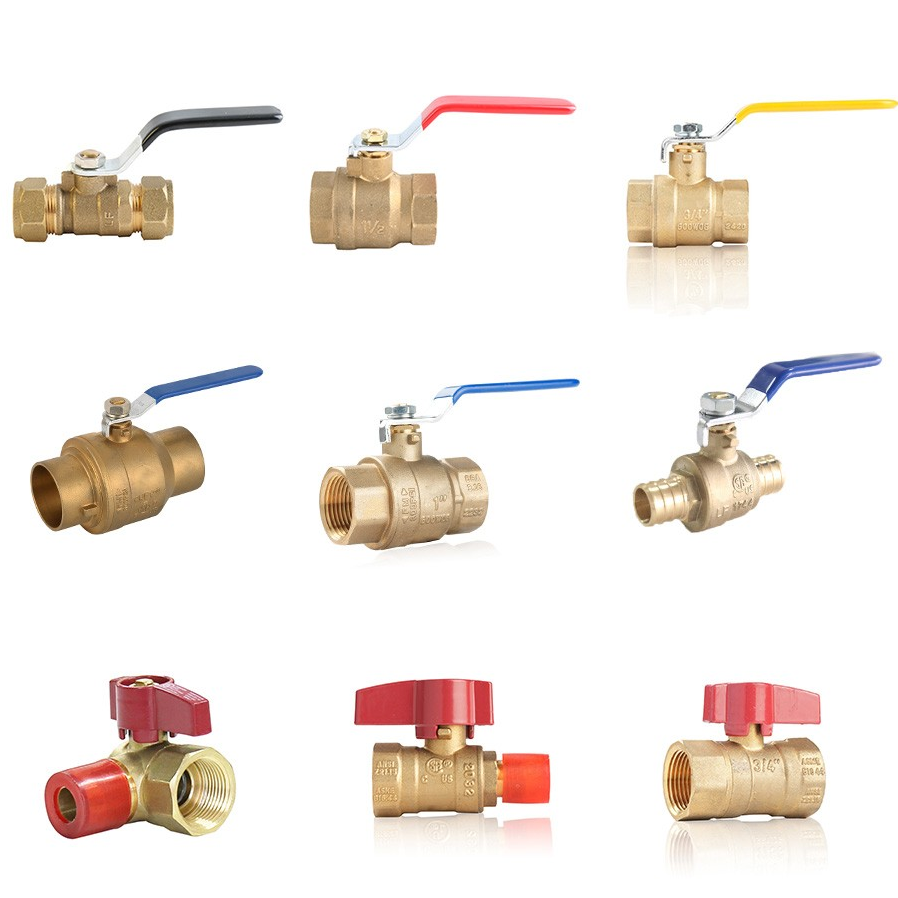
Ball valves and globe valves can both control fluid movement, yet their internal operating principles are quite different. A ball valve is generally built around quick quarter-turn isolation, while a globe-style valve is designed around controlled movement through the seat area. This difference becomes especially important in sanitary processing lines, where flow behavior, product contact surfaces, cleaning requirements, and process control all need to work together.
Chuangju approaches sanitary valve applications from the actual process requirement rather than treating every pipeline as an on-off application. A sanitary globe valve can provide useful advantages in applications where gradual flow adjustment matters more than unrestricted passage.
1. Flow Regulation Is the Key Difference
Globe valve construction allows the closing element to move progressively toward or away from the seat. This creates a controllable opening that can be adjusted across different flow conditions. Such a structure is suitable for processes that require more than simply opening or closing a pipeline.
- Controlled flow: The valve position can be adjusted gradually rather than relying only on fully open or fully closed operation.
- Repeatable adjustment: Progressive stem movement helps operators manage intermediate flow positions.
- Process control: Flow adjustment can be integrated into applications where stable product movement matters.
Standard ball valves generally work better as isolation components. Their 90-degree rotation makes them fast to operate, but conventional ball designs are not intended for continuous throttling. Partial opening can expose the seat to concentrated, high-velocity flow and accelerate wear.
2. Sanitary Processing Needs More Than Shut-Off
Sanitary pipelines are commonly associated with food, beverage, pharmaceutical, and other hygiene-sensitive processes. Valve geometry therefore has to support both process control and hygienic operation. Sanitary valve design focuses on reducing areas where product can remain trapped and supporting cleaning procedures.
Chuangju considers these requirements when developing valve solutions for fluid-processing applications. Smooth internal surfaces, suitable sealing materials, appropriate connection methods, and a configuration compatible with cleaning procedures can all influence the practical value of a sanitary valve.
3. Where Gradual Flow Changes Matter
Some production lines need operators or automated systems to adjust flow according to the process stage. Examples can include liquid transfer, dosing-related sections, temperature-control circuits, and other lines where flow cannot simply remain at full capacity.
- Liquid dosing: Controlled opening can help regulate the amount of process fluid entering a section.
- Transfer lines: Gradual adjustment can reduce abrupt changes in product movement.
- Process branches: A regulating valve can help balance flow between different pipeline sections.
- Automated systems: Actuated globe-style designs can be incorporated into process control arrangements.
Such applications give a sanitary globe valve a practical role that differs from the typical duty of a sanitary ball valve.
4. Check the Pressure-Drop Trade-Off
Flow control capability comes with a hydraulic trade-off. Globe valves generally create greater flow resistance than full-bore ball valves because the fluid path changes direction around the internal control element. Ball valves, particularly full-port designs, provide a relatively direct flow passage and therefore tend to produce lower pressure loss when fully open.
This difference should be considered alongside the actual process requirement. A pipeline that needs unrestricted transfer may favor a sanitary ball valve. A line requiring controlled flow may accept additional resistance in exchange for more precise adjustment.
5. Connection Design Should Match the Sanitary Line
Valve connection details can affect both installation and cleaning. Sanitary processing systems often use hygienic connection arrangements designed to support disassembly, inspection, and cleaning.
- Connection type: Confirm compatibility with the existing sanitary piping.
- Nominal size: Match the valve size with the pipeline rather than relying only on external dimensions.
- Seal material: Verify temperature and media compatibility.
- Internal finish: Consider the surface condition required by the process.
Chuangju can discuss valve configuration according to pipeline size, connection requirements, operating conditions, and application details. This approach helps buyers avoid treating sanitary valves as interchangeable components.
6. Sanitary Globe Valve or Ball Valve?
The practical distinction can be summarized by the task assigned to the valve.
- Choose a sanitary globe valve: Flow needs gradual adjustment, regulation, or controlled process movement.
- Choose a sanitary ball valve: The main requirement is rapid isolation, full opening, and low flow resistance.
- Consider both: Complex processing systems may use different valve types at different pipeline positions.
Globe valves are specifically recognized for flow regulation, while ball valves are generally associated with quick opening and closing.
7. Chuangju Focuses on Application-Based Valve Solutions
Chuangju works with buyers who need sanitary valve configurations matched to actual piping and process conditions. Product discussions can cover valve type, size, connection arrangement, sealing materials, operating method, and other technical requirements.
Rather than treating a sanitary globe valve as simply another shut-off component, Chuangju evaluates its role within the complete fluid-control system. Such an approach is useful for equipment manufacturers, sanitary piping contractors, distributors, and process-line buyers looking for a valve configuration that fits the intended duty.
Final Consideration
A sanitary globe valve becomes more attractive as the need for controlled flow adjustment increases. A ball valve remains highly practical where fast isolation and a low-resistance flow path are the priority. Understanding this distinction before specifying the valve can help create a better match between valve construction and the actual process.
Chuangju can support sanitary valve discussions based on pipeline size, fluid characteristics, flow-control requirements, connection details, and operating conditions, helping buyers identify a suitable configuration rather than choosing purely from the valve's external appearance.

 English
 Arabic
 French
 Spanish
 Portuguese
 Deutsch
 Turkish
 Dutch
 Italiano
 Romaian
 Portuguese (Brazil)
 Greek
