


Practical Pet Drying Solutions for Retailers and Brands
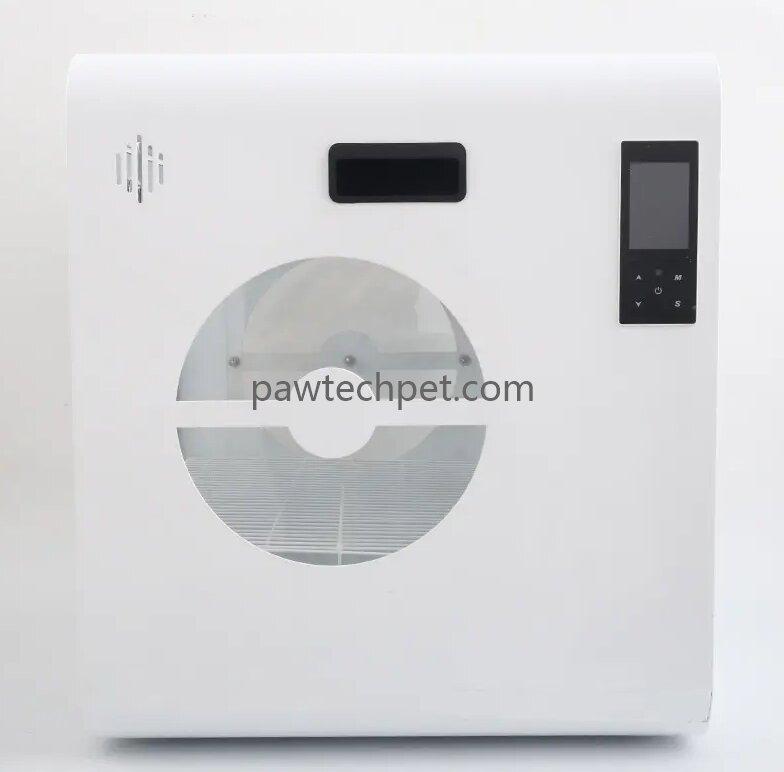
Pet grooming involves more than bathing and brushing. Removing excess water from an animal's coat can require considerable time, particularly when working with thick fur or preparing pets for professional grooming services. A Smart Pet Water Blower uses directed airflow to help remove surface moisture and support subsequent drying and brushing. Depending on the model, it may include adjustable airflow, temperature controls, interchangeable nozzles, and a flexible hose. For pet product distributors and grooming businesses, understanding these functions and their practical limitations is essential when selecting suitable equipment.
Airflow performance is one of the most important factors affecting the usefulness of a pet blower. Strong airflow can help move water away from dense coats, while lower settings may provide better control when working with smaller animals or sensitive areas. Adjustable controls allow groomers to adapt the output to different coat lengths and grooming tasks. Buyers should review the manufacturer's airflow specifications and determine whether the control system is easy to operate during use. Performance comparisons are most useful when models are evaluated using consistent measurement methods.
Motor construction influences the equipment's operation and expected service life. Different models may use motors designed for household grooming, occasional use, or more demanding professional environments. Buyers should consider rated power, operating voltage, recommended duty cycle, and maintenance requirements together with airflow output. A higher power rating does not automatically guarantee better practical performance because the overall airflow system and product design also matter. Suppliers should provide clear technical information to help buyers match the equipment to its intended workload.
Temperature control is another feature that requires careful evaluation. Some blowers primarily use ambient air, while others provide adjustable warm-air settings. The suitable operating method depends on the equipment design, the animal's coat, and the grooming procedure. Excessive heat can cause discomfort or injury, so users should follow operating instructions and avoid directing concentrated warm air at one area for too long. Buyers should confirm whether the model includes temperature adjustment or overheating protection and request relevant documentation before making safety-related product claims.
Hose and nozzle design affect flexibility during grooming. A flexible hose can help users direct airflow across different parts of the animal without frequently moving the main unit. Nozzle shapes may provide broader airflow or concentrate it for specific tasks. Buyers should inspect hose length, connector security, flexibility, and the ease of changing attachments. Components should remain secure during normal operation while allowing convenient cleaning and storage. For professional grooming salons, durable connections can be especially valuable because equipment may be used repeatedly throughout the day.
Noise is an important consideration in environments where animals may react to unfamiliar sounds. Motor design, airflow settings, and housing structure can influence the operating sound of a blower. Buyers should request documented noise measurements when available and test samples under realistic conditions. A gradual introduction to the equipment and appropriate handling can also help reduce stress for some animals. Product selection should balance drying performance with the comfort of both pets and grooming professionals.
Material quality contributes to durability and routine maintenance. Housing components may use durable plastics or other materials suited to the intended operating conditions. Handles, switches, cable connections, hose fittings, and air inlets should be checked for secure assembly and practical accessibility. A stable base or convenient carrying handle may improve handling in different grooming environments. Clear maintenance instructions should explain how to clean air inlets, inspect accessories, and store the equipment when it is not in use.
For wholesale buyers, specifications should be confirmed before placing an order. Relevant details include power input, airflow settings, temperature options, included nozzles, hose dimensions, product weight, and packaging configuration. Buyers should also ask about warranty coverage, spare parts, production lead times, and compliance documentation required in the destination market. Sample testing can help verify control usability, operating sound, airflow consistency, and the quality of included accessories before committing to a larger purchase.
OEM and private-label programs may provide customization options for distributors developing their own grooming product lines. Depending on supplier capabilities, options can include housing colors, logo placement, packaging artwork, instruction manuals, and selected accessories. Buyers should clarify minimum order quantities, sample approval procedures, customization costs, and production schedules. Approved samples and written specifications can help ensure that mass-produced goods match the agreed requirements.
Selecting a Smart Pet Water Blower requires a balanced assessment of airflow, temperature control, noise, construction quality, and ease of maintenance. The right configuration depends on the animals being groomed and the expected frequency of use. Distributors can make more informed sourcing decisions by comparing technical specifications, evaluating samples, and confirming after-sales support. For additional pet product categories, visit https://www.pawtechpet.com/product/pet-clothing/

 Arabic
 French
 Spanish
 Portuguese
 Deutsch
 Turkish
 Dutch
 Italiano
 Russian
 Romaian
 Portuguese (Brazil)
 Greek
