


What Professional Cleaners Wish Homeowners Knew Before a Deep Clean
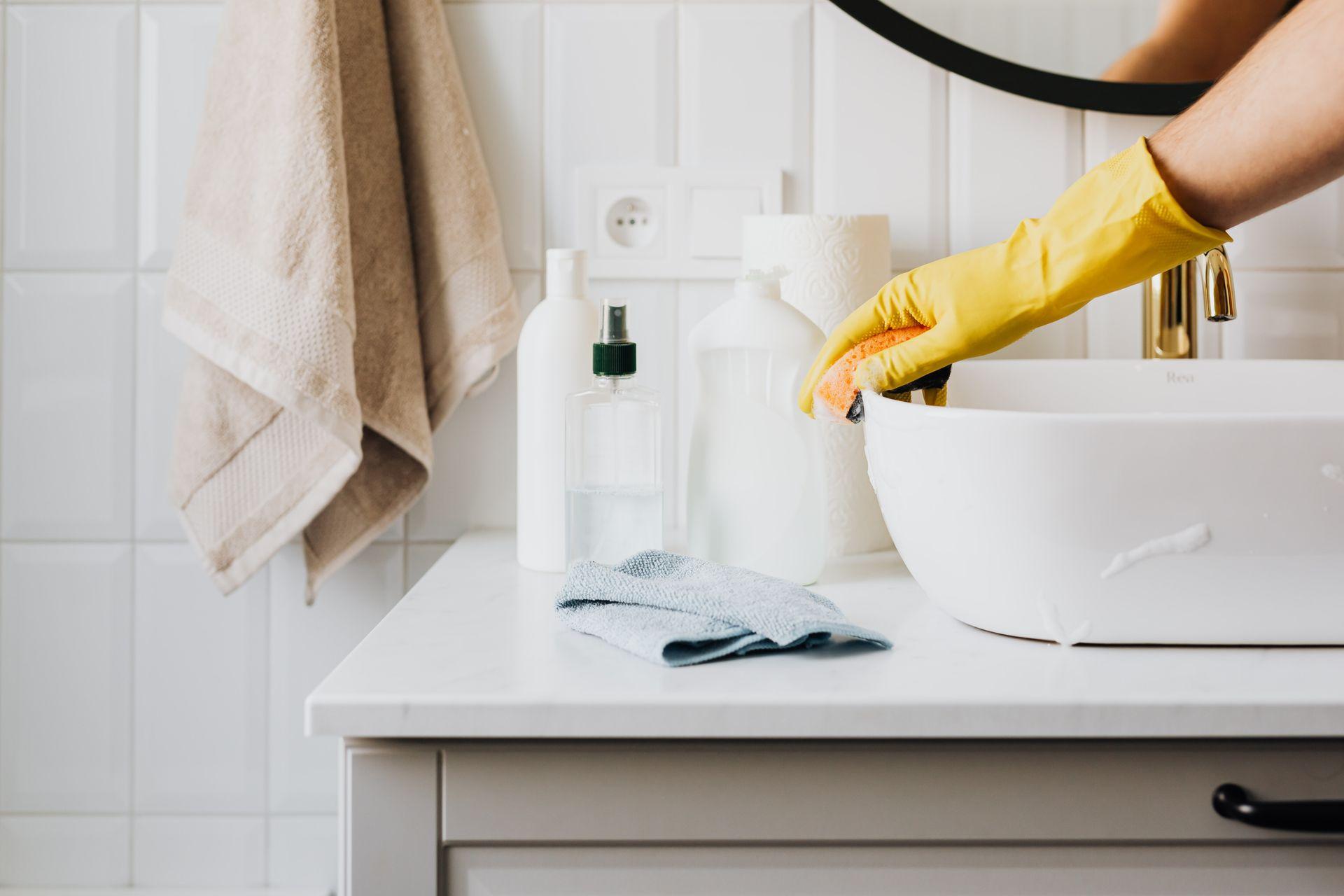
Your deep cleaning appointment is booked for Saturday. On Friday night, you find yourself wiping down the kitchen counters and wondering: What exactly will the cleaning team do, and what should I take care of beforehand?
These are important questions to ask before the cleaners arrive. A deep clean goes beyond routine housekeeping, targeting surfaces, fittings, kitchen appliances and other areas that often get overlooked during everyday cleaning. However, it does not automatically include every cleaning task in the home. Moving furniture, disposing of clutter, cleaning walls and ceilings, and removing stubborn stains may fall outside the agreed scope.
A little preparation can make a significant difference. Clearing surfaces, emptying cabinets that need interior cleaning, and highlighting problem areas in advance help cleaners work more efficiently. Just as importantly, understanding the service's inclusions and exclusions helps prevent misunderstandings.
If you are arranging a deep clean in Singapore, here is what professional cleaners would want you to know before the appointment.
What Does a Deep Clean Actually Include?
A professional deep clean typically follows a checklist covering rooms, surfaces, fixtures and fittings that may receive less attention during regular housekeeping. The aim is to remove accumulated dirt, grease and dust from accessible areas that need more thorough attention.
However, there is no universal checklist for every cleaning company. The exact scope depends on the provider, the property and the package selected. Reviewing the service description before booking is one of the simplest ways to understand what you are paying for.
For example, Be Mitey Clean's published Singapore deep cleaning service scope groups tasks by area:
-
Living rooms, dining rooms and bedrooms: Cleaning ceiling fans, air-conditioning unit exteriors, switches, doors and frames, floors, window tracks and sills, and accessible carpentry.
-
Bathrooms: Cleaning wall tiles, glass panels, countertops, toilet bowls, bathtubs, shower fittings, mirrors, basins and taps.
-
Kitchens: Cleaning wall tiles, countertops, sinks, taps, cooker hoods, hobs and stoves, as well as the interior and exterior of specified appliances, including washing machines, refrigerators, ovens and microwaves.
These examples illustrate why a deep clean can take more time than routine housekeeping. Instead of focusing only on visible surfaces, the team works through a broader set of cleaning tasks.
The important detail is the written scope, not the label “deep cleaning”. Two providers may use the same term while offering different levels of service. Check the checklist carefully and ask about anything that matters to you but is not explicitly listed.
What Is Usually Excluded From a Deep Clean?
One common misconception is that booking a deep clean means every part of the home will be cleaned, regardless of its condition or accessibility.
In practice, most services have defined limits. According to the published exclusions for the Be Mitey Clean service referenced above, tasks outside the standard scope include:
-
Moving or dismantling furniture.
-
Clearing clutter or disposing of household items and rubbish.
-
Cleaning walls, ceilings and cornices.
-
Removing stubborn marks such as paint, cement or sticker residue.
These exclusions are worth checking before the appointment, particularly if your home needs more than routine dirt removal.
Stains deserve special attention. Cleaning can remove surface dirt and some marks, but it does not guarantee that every stain will disappear. Paint, adhesive, cement residue and deeply embedded marks may require specialised treatment or may have permanently affected the surface.
If you have a particular concern, point it out before the service begins. The provider can then explain whether it falls within the package, requires an additional service or cannot be removed safely.
Clarifying these details beforehand is much easier than discovering a limitation after the cleaning team has finished.
Why Does Clutter Slow Down a Deep Clean?
Even an experienced cleaning team cannot properly clean a surface that is covered by belongings. Clutter makes it harder to reach countertops, shelves, floors and other areas, which can limit the amount of cleaning completed during the appointment.
This is especially important when the package includes the interiors of cabinets or drawers. If these areas must be empty before cleaning, leaving them full can prevent the team from completing that part of the checklist.
Before the cleaners arrive, try to:
-
Remove loose items from countertops, tables and accessible floors.
-
Empty cabinets and drawers that are included for interior cleaning.
-
Put away small belongings that could obstruct access to surfaces.
-
Decide what should be kept, stored or discarded before the appointment.
Reducing clutter can also help with ongoing dust management. The American Academy of Allergy, Asthma & Immunology recommends reducing items that collect dust, including knickknacks and books, as part of environmental control for people with allergies or asthma.
You do not need to declutter your entire home before a deep clean. Focus on the areas the team needs to access. A few minutes of preparation can allow more of the appointment to be spent on actual cleaning rather than shifting belongings around.
How Should You Prepare Your Home Before the Cleaners Arrive?
Preparation requirements vary by provider, so follow the instructions given when you book. The following checklist is a useful starting point for most deep cleaning appointments.
1. Clear the surfaces that need cleaning.
Remove dishes, toiletries, loose items and other belongings from countertops, tables and accessible floors. This gives the team room to work.
2. Empty the relevant cabinets and drawers.
If the agreed scope includes cleaning inside cupboards, make sure they are empty unless the provider has confirmed another arrangement.
3. Check appliance preparation requirements.
If the package includes appliance interiors, ask whether refrigerators, ovens, microwaves or washing machines need to be emptied or prepared in advance. Requirements differ by appliance and provider.
4. Secure valuables and personal documents.
Put away jewellery, cash, sensitive paperwork, medication and other personal items. This keeps them out of the cleaning area and reduces the risk of accidental disruption.
5. Make arrangements for pets.
Keep pets in a comfortable, secure area away from active cleaning, especially when equipment or cleaning products are in use. Follow any relevant safety instructions from the provider.
6. Identify problem areas.
Point out heavy grease, old stains, neglected corners or other areas that need special attention. Explain your priorities before work begins so the team can clarify what is achievable within the agreed scope.
7. Confirm access arrangements.
For condominiums, apartments and other managed properties in Singapore, check any relevant building entry procedures, parking arrangements or access requirements. Make sure the team knows how to enter the property at the scheduled time.
A well-prepared home does not need to be spotless before the appointment. The purpose is to remove obstacles and give the cleaners clear access to the areas they have agreed to clean.
How Much Does a Deep Clean Cost, and How Long Does It Take?
Deep cleaning prices generally depend on the provider's pricing model, the size of the property, its condition and the services included. Some companies charge by the hour, while others offer a fixed package based on floor area or property type.
Before confirming a booking, ask whether the quoted price covers the entire agreed scope or whether certain appliances, heavily soiled areas or additional tasks incur extra charges.
Property size is an important factor, but price does not necessarily increase in direct proportion to floor area. For example, Be Mitey Clean's published price schedule lists a rate of $300 for units under 500 square feet and $925 for units between 2,501 and 3,000 square feet.
This illustrates how the quoted price can vary across property sizes. However, larger homes may also differ in layout, furnishing, accessibility and cleaning requirements, so prices alone do not tell the whole story.
The time required can vary just as much. A relatively spacious home with clear surfaces may be easier to clean than a smaller property with heavy grease, significant dust buildup or many items obstructing access.
Rather than relying on a generic estimate, provide the cleaning company with an accurate description of your home and its condition. Ask for an estimated duration and clarify what happens if the agreed tasks require more time than expected.
This helps you plan your day while giving the cleaning team a more realistic basis for scheduling the work.
How Long Does a Deep Clean Last?
A deep clean can make a home feel fresher and remove accumulated dirt, but its results are not permanent. Dust, grease and everyday mess return through normal household activities.
How quickly this happens depends on factors such as the number of occupants, cooking habits, ventilation, pets and how consistently the home is maintained.
The best way to preserve the results is to combine the initial deep clean with regular upkeep. Wipe kitchen surfaces after cooking, clean bathroom fixtures routinely, vacuum floors and upholstery as needed, and address spills before they become harder to remove.
It is also important to understand what cleaning can and cannot achieve. A deep clean removes dirt and certain types of residue; it does not repair damaged surfaces, restore worn grout or reverse permanent discolouration. Some marks may remain even after a thorough cleaning because they have altered the underlying material.
Think of a deep clean as a reset for your home rather than a permanent solution to every cleaning or maintenance problem.
Set the Right Expectations for a Better Deep Clean
A successful deep clean starts before the cleaning team arrives. Knowing what the package includes, understanding its limitations and preparing the relevant areas all contribute to a smoother appointment.
Read the checklist rather than relying on the service name alone. Ask about exclusions, clarify appliance preparation requirements, and flag stains or heavily soiled areas in advance. Clear the surfaces that need attention and make sure the team can access the spaces covered by the service.
Most importantly, communicate your priorities early. Professional cleaners can work more effectively when they understand what matters most to you and what results are realistic.
The takeaway: A deep clean works best when preparation and expectations go hand in hand. Know the scope, clear the clutter and discuss problem areas beforehand, so the cleaning team can focus on delivering the most thorough clean possible within the agreed service.

 English
 Arabic
 French
 Spanish
 Deutsch
 Turkish
 Dutch
 Italiano
 Russian
 Romaian
 Portuguese (Brazil)
 Greek
