


Knee Pain Physical Therapy After an Injury: What Recovery Really Looks Like
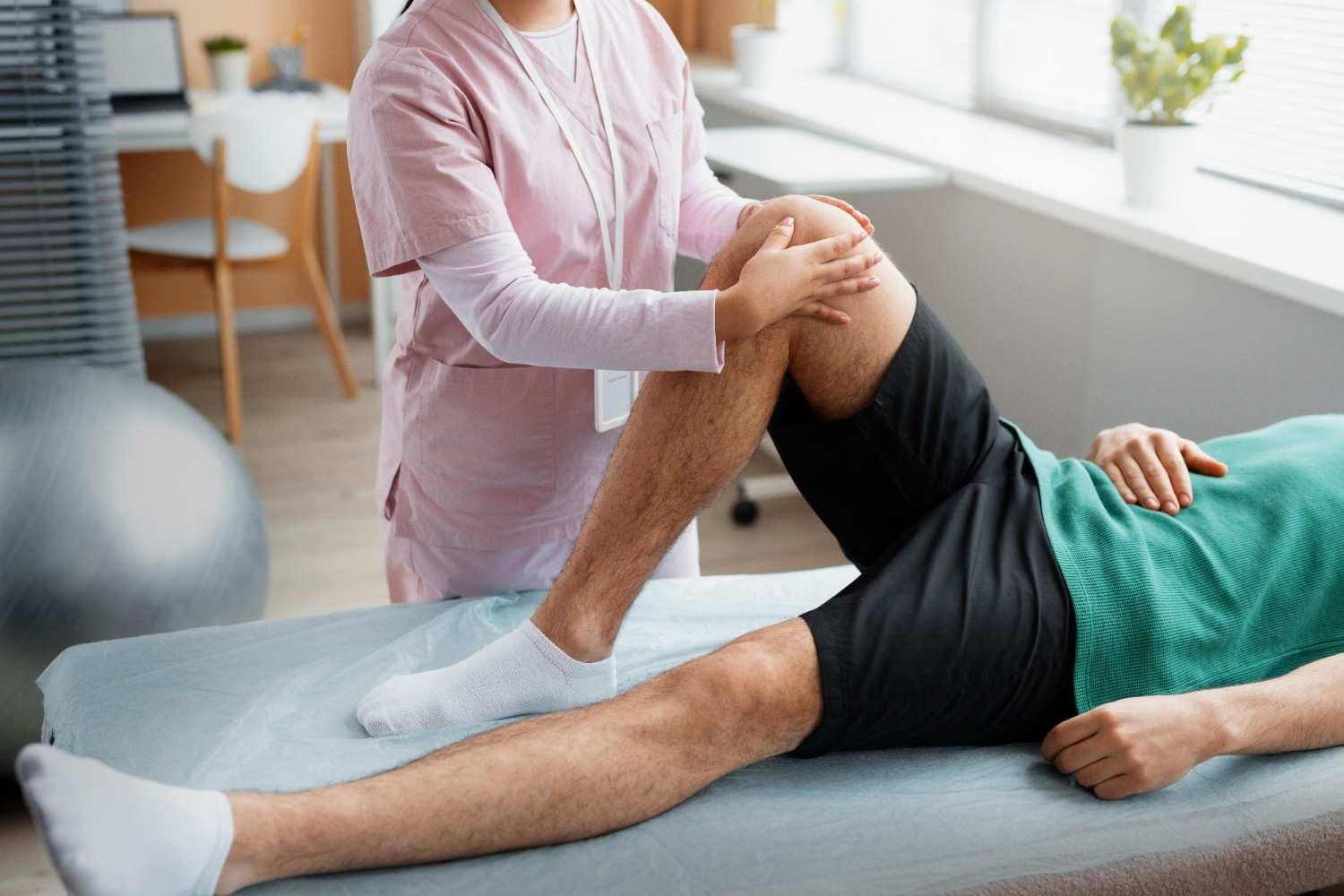
A knee injury can change more than the way you walk. It may prevent you from exercising, make stairs difficult to navigate, or leave you uncertain about when it is safe to return to your normal routine. Although some injuries improve with appropriate rest and basic care, others require a more structured approach to restore strength, mobility, and stability.
Knee pain physical therapy can support recovery when rehabilitation is appropriate for your condition. Understanding the stages of healing, the role of therapeutic exercises, and the signs that deserve medical attention can help you make informed decisions about your recovery.
Why Does Knee Recovery Require More Than Pain Relief?
The knee absorbs forces during walking, running, jumping, and changing direction. After an injury, surrounding muscles may become weaker, joint movement may become restricted, and normal walking patterns may change.
Common knee injuries include ligament sprains, meniscus injuries, tendon irritation, muscle strains, and fractures. The severity of these conditions varies, so treatment should be based on an appropriate assessment rather than symptoms alone.
Pain relief is important, but it does not necessarily mean the knee has regained its previous strength or stability. For example, someone may experience less discomfort while still struggling to climb stairs or stand on one leg.
A structured knee pain physical therapy program can address these functional limitations by progressing from appropriate early movements to strength, balance, and activity-specific training.
The Stages of Recovery After a Knee Injury
Stage 1: Protect the Knee and Manage Early Symptoms
Immediately after an injury, the priority is to understand its severity and avoid further damage. Depending on the injury, a clinician may recommend temporary activity modification, appropriate support, or other treatment.
During this stage, avoid forcing the knee to bend or straighten if doing so causes significant pain. Cold packs wrapped in a towel may help relieve discomfort and swelling. Do not continue sports or strenuous exercise simply because you can tolerate a few steps.
Some injuries require prompt imaging or medical treatment before rehabilitation begins. A suspected fracture, significant ligament injury, or severe joint instability should not be managed through unsupervised exercise.
Stage 2: Restore Comfortable Knee Movement
Once movement is considered safe, rehabilitation may focus on gradually improving the ability to bend and straighten the knee.
Restricted movement can affect everyday tasks such as sitting down, getting out of bed, and walking. Gentle heel slides or other prescribed range-of-motion exercises may help address stiffness, depending on the injury.
A therapist may also assess whether swelling, muscle guarding, or weakness is limiting movement. With knee pain physical therapy, exercise selection and intensity should match the stage of healing and any medical restrictions.
Progress gradually instead of forcing the joint through discomfort. If swelling or pain increases substantially after an exercise session, the program may need adjustment.
Stage 3: Rebuild Strength in the Supporting Muscles
After an injury, the quadriceps can weaken quickly when normal activity decreases. The hamstrings, calf muscles, and hip muscles may also lose strength or coordination.
Strengthening these areas helps support the knee during daily movement. Depending on the injury and your current abilities, a rehabilitation plan may introduce:
-
Straight-leg raises when appropriate.
-
Gentle quadriceps contractions.
-
Supported sit-to-stand exercises.
-
Controlled step-ups.
-
Progressive resistance exercises.
Not every exercise is suitable for every injury. For example, rehabilitation after certain ligament injuries or surgery may require specific restrictions on weight-bearing and knee movement.
A tailored knee pain physical therapy plan helps establish an appropriate starting point and gradually increases exercise demands as your strength and tolerance improve.
Stage 4: Improve Balance and Movement Control
Strength alone may not be enough to restore confidence after an injury. Your knee also needs to respond appropriately when you shift your weight, turn, step over obstacles, or walk on uneven surfaces.
Balance and coordination exercises help train the body to control these movements. Depending on your recovery stage, exercises may include supported weight shifts, controlled stepping, or progressively challenging balance activities.
These exercises can be especially important for people returning to sports or activities that involve sudden direction changes. They should be introduced only when appropriate for the injury.
During knee pain physical therapy, a clinician can monitor movement quality and help you progress without advancing too quickly.
Stage 5: Prepare for Everyday Activities and Sports
The final stages of rehabilitation focus on practical tasks rather than isolated exercises alone.
Someone who wants to walk comfortably may need a different plan from a runner hoping to return to long distances or an athlete preparing for a sport involving jumping and rapid turns.
Your program may gradually incorporate longer walks, controlled stair climbing, functional strengthening, and activity-specific drills. Progress should depend on strength, stability, symptoms, and the requirements of your intended activity.
Returning too soon can increase the risk of aggravating an injury or sustaining another one. Successful knee pain physical therapy therefore considers functional readiness, not just whether pain has decreased.
What Factors Can Affect Your Recovery Time?
There is no single recovery timeline that applies to every knee injury. Several factors influence how quickly you regain normal movement.
Type and severity of injury: A mild muscle strain generally follows a different recovery course from a major ligament tear or fracture.
Previous health and activity levels: Existing medical conditions, prior injuries, general fitness, and baseline mobility can influence rehabilitation needs.
Consistency with the treatment plan: Completing prescribed exercises appropriately and following activity restrictions can support progress.
Response to loading: Increasing exercise intensity too quickly may aggravate symptoms, while insufficient activity may delay the return of strength and function.
Need for additional treatment: Some injuries require surgery, medication, specialist assessment, or specific postoperative rehabilitation protocols.
Your therapist should review progress regularly and adjust the program according to your response rather than relying on a fixed schedule.
Mistakes That Can Slow Knee Injury Rehabilitation
Recovery can become more difficult when exercise and activity are not matched to the injury.
Returning to Exercise Too Soon
Resuming running, jumping, or heavy leg training before the knee is ready can aggravate healing tissues. Follow medical guidance and progress according to functional milestones.
Avoiding All Movement for Too Long
Prolonged inactivity may contribute to stiffness and muscle weakness. However, movement should only resume when it is safe for the specific injury. Some conditions require immobilization or restricted weight-bearing.
Ignoring Swelling and Instability
Increasing swelling, repeated episodes of the knee giving way, or worsening pain may indicate that the knee needs reassessment. Do not simply add more exercises to overcome these symptoms.
Comparing Your Recovery With Someone Else's
Two people with similar symptoms may have different injuries and treatment requirements. Focus on your own progress, professional recommendations, and realistic functional goals.
When Should You Get Your Knee Evaluated?
Consider professional assessment when pain persists, swelling repeatedly returns, knee movement remains restricted, or everyday activities become difficult.
Seek urgent medical attention if you cannot bear weight after an injury, the knee appears deformed, or you experience severe swelling. A hot, red knee accompanied by fever also needs prompt evaluation.
If a knee injury has been diagnosed and rehabilitation is appropriate, knee pain physical therapy may help restore movement, rebuild strength, and improve your ability to manage daily activities. The treatment approach should account for your diagnosis, any medical restrictions, and your recovery goals.
Conclusion
Recovering from a knee injury involves more than waiting for soreness to disappear. The process may include protecting the joint, restoring comfortable movement, rebuilding muscle strength, improving balance, and gradually returning to your preferred activities.
Knee pain physical therapy can provide structured guidance throughout these stages when prescribed or recommended for your condition. By following an individualized plan, monitoring symptoms, and avoiding premature return to strenuous activities, you can work toward safer movement and improved knee function.
FAQs
1. Should I start physical therapy immediately after a knee injury?
Not every injury is ready for immediate rehabilitation. Severe pain, deformity, inability to bear weight, or substantial swelling may require urgent medical evaluation first. A clinician can determine when and how rehabilitation should begin.
2. Is it normal for my knee to feel stiff after an injury?
Stiffness can occur because of swelling, reduced movement, or muscle guarding. Persistent or worsening stiffness should be assessed, particularly if you cannot fully bend or straighten your knee.
3. Can I return to running as soon as the pain disappears?
Not necessarily. You may still have strength, balance, or movement-control deficits even after pain improves. Return-to-running decisions should consider the injury, functional ability, and professional guidance.
4. What should I do if my knee swells after rehabilitation exercises?
Stop or reduce the activity that triggered the reaction and seek advice from your treating clinician, especially if swelling is substantial or recurring. Sudden severe swelling, inability to bear weight, or other concerning symptoms may require prompt medical evaluation.

 English
 Arabic
 French
 Spanish
 Deutsch
 Turkish
 Dutch
 Italiano
 Russian
 Romaian
 Portuguese (Brazil)
 Greek
