


What Should You Do If Your Dental Implant Feels Loose?
What Causes a Dental Implant to Become Loose?
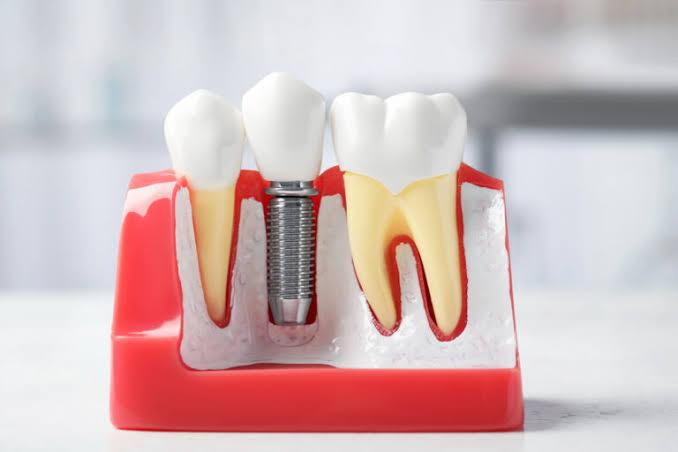
A dental implant consists of a titanium or similar biocompatible post placed in the jawbone, an abutment connecting the post to the replacement tooth, and a crown that resembles a natural tooth. Looseness can develop in any of these components, and identifying the source is essential for successful treatment.
1. Poor Osseointegration
Osseointegration is the process through which the jawbone grows around and bonds with the implant. This connection provides the stability needed for normal chewing and biting.
If the implant fails to integrate properly, it may remain unstable or become loose over time. Factors such as insufficient bone quality, infection, smoking, and certain medical conditions can interfere with healing. Excessive pressure on the implant before it has healed may also compromise the bonding process.
2. Peri-Implantitis and Gum Infection
Peri-implantitis is an inflammatory condition affecting the tissues around a dental implant. It can cause gum inflammation and progressive bone loss, weakening the support that keeps the implant stable.
Plaque buildup is a major contributing factor. Without effective oral hygiene, bacteria can accumulate around the implant and irritate the surrounding tissues.
Common warning signs include:
-
Redness or swelling around the implant.
-
Bleeding during brushing or flossing.
-
Tenderness or discomfort near the implant.
-
Pus or an unpleasant taste in the mouth.
-
Gum recession or visible changes around the replacement tooth.
Early diagnosis is important because untreated peri-implantitis can damage the supporting bone and potentially lead to implant failure.
Other Factors That Can Affect Implant Stability
In addition to healing problems and infection, several mechanical and lifestyle factors can contribute to implant looseness.
3. A Loose Abutment or Dental Crown
Not every loose implant means the implant itself has failed. Sometimes, the abutment screw connecting the crown to the implant becomes loose, or the crown loses its secure fit.
Patients may notice movement when chewing, a clicking sensation, or a crown that feels different from the surrounding teeth. These problems may be manageable if the underlying implant remains firmly integrated with the jawbone.
A dentist can examine the restoration, identify the loose component, and determine whether tightening, repairing, or replacing it is appropriate.
4. Excessive Bite Pressure and Teeth Grinding
Dental implants can withstand normal chewing forces, but excessive or uneven pressure may affect their long-term stability. Bruxism, commonly known as teeth grinding, places repeated stress on the implant and its components.
Similarly, an uneven bite can concentrate pressure on a single implant instead of distributing it across the teeth.
A dentist may recommend bite adjustments or a custom night guard for patients who grind their teeth during sleep. These measures can help reduce mechanical stress and protect the implant restoration.
5. Bone Loss Around the Implant
The jawbone provides the foundation that supports a dental implant. If the surrounding bone gradually deteriorates, the implant may lose the support needed to remain stable.
Bone loss can result from untreated inflammation, infection, poor oral hygiene, or other oral health problems. In some cases, insufficient bone volume before implant placement can also affect the outcome.
Regular dental examinations and appropriate imaging help dentists evaluate bone levels and identify changes that may not be visible during everyday brushing.
How Can You Recognize a Loose Dental Implant?
Recognizing changes early can help prevent further damage. Possible symptoms include movement in the crown, discomfort while biting, swollen gums, bleeding, and difficulty chewing comfortably.
However, patients should not attempt to diagnose the problem by repeatedly moving or pulling on the implant. A professional examination is necessary to determine whether the implant post, abutment, or crown is responsible.
If an implant feels loose, avoid chewing hard foods on that side and arrange a dental appointment promptly. Do not try to tighten the components yourself. Severe pain, facial swelling, fever, or spreading infection requires urgent dental assessment.
How Can Dentists Treat a Loose Dental Implant?
Treatment depends on the cause and severity of the problem.
Examination and Diagnosis
The dentist will assess the implant, surrounding gums, bite, and restoration. Dental X-rays or other imaging may be needed to evaluate bone support and detect signs of infection.
Repairing the Restoration
If only the crown or abutment screw is loose, the dentist may be able to secure or repair the affected component without removing the implant.
Treating Infection or Implant Failure
When inflammation is present, treatment may involve professional cleaning and measures to control infection. More advanced cases may require surgical treatment. If the implant post has lost its integration or substantial supporting bone, removal and later replacement may be considered, depending on the clinical findings.
How Can You Prevent Dental Implant Looseness?
Maintaining healthy gums and protecting the implant from excessive pressure are essential for long-term success.
-
Brush twice daily using a soft-bristled toothbrush.
-
Clean between teeth and around the implant with suitable interdental tools.
-
Attend regular dental checkups and professional cleanings.
-
Avoid smoking, which can impair healing and increase complications.
-
Follow your dentist's instructions during the healing period.
-
Address teeth grinding and bite problems early.
-
Contact your dentist if you notice movement, bleeding, or discomfort.
Conclusion
A dental implant can become loose over time because of infection, bone loss, incomplete healing, excessive bite pressure, or problems with the crown and abutment. The good news is that some causes can be treated successfully when identified early. If you notice changes in your implant's stability, seek a professional assessment rather than waiting for symptoms to worsen. With appropriate treatment, consistent oral hygiene, and routine monitoring, many patients can protect their implant restorations and maintain a healthy, confident smile for years to come.

 English
 Arabic
 French
 Spanish
 Portuguese
 Deutsch
 Turkish
 Dutch
 Italiano
 Romaian
 Portuguese (Brazil)
 Greek
