


Can Watch-and-Bet Apps Match a Real Stadium Experience?
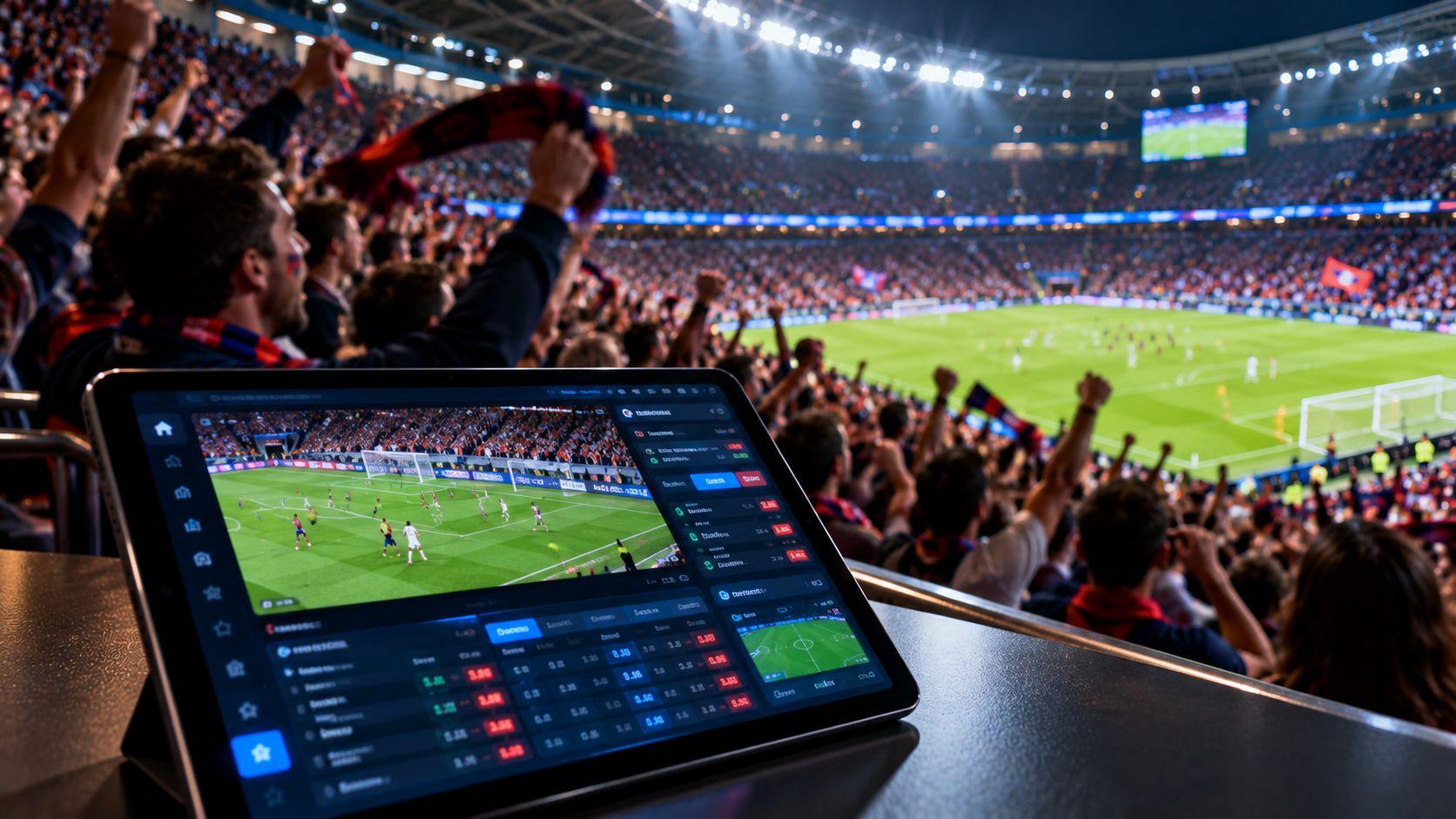
Sports fans no longer want to choose between watching a live match and placing bets on the action. They expect a connected experience where live video, real-time odds, match statistics, and betting controls work together without interruptions. For businesses planning this type of platform, partnering with a sports betting app development company in USA can help transform conventional sports streaming into an interactive experience that keeps users engaged throughout a match.
A successful watch-and-bet platform requires more than embedding a video player beside a betting interface. It depends on low-latency streaming, synchronized sports data, reliable betting markets, and an intuitive design that allows users to react quickly to changing match conditions. When these elements work together, the platform can deliver some of the excitement of watching a game inside a stadium while offering the convenience of digital betting.
Why Is Watch-and-Bet Different From Traditional Sports Streaming?
Traditional sports streaming focuses primarily on delivering live video to viewers. Watch-and-bet platforms extend that experience by integrating betting opportunities directly into the viewing environment. Users can follow the match, review changing odds, explore available markets, and place eligible bets without repeatedly switching between applications or browser tabs.
This integrated approach makes the experience more convenient and interactive. For example, during a football match, a user might watch an attacking move develop while checking the odds for the next goal or the outcome of the next corner. The platform must present this information clearly without distracting viewers from the action.
However, convenience alone is not enough. The video feed, match information, and betting markets must remain consistent. If the video shows an event that has already happened while the displayed odds still reflect an earlier match situation, users may lose confidence in the platform.
Developers should therefore treat streaming, sports data, and betting functionality as interconnected components rather than separate features placed on a single screen.
How Can You Deliver a Smooth, Broadcast-Quality Streaming Experience?
Video quality is one of the most important factors influencing the watch-and-bet experience. Buffering, delayed playback, and poor resolution can interrupt the excitement of a match and discourage users from continuing to watch.
A dependable streaming system should be designed to handle large audiences, fluctuating network conditions, and sudden increases in traffic during important sporting events.
Several technologies and practices can support this objective:
-
Adaptive bitrate streaming: Technologies such as HTTP Live Streaming (HLS) and MPEG-DASH can adjust video quality according to a viewer's available bandwidth.
-
Content delivery networks: CDNs distribute video content across geographically dispersed servers, helping reduce delivery delays and improve playback reliability.
-
Low-latency streaming: Suitable low-latency configurations can reduce the delay between the live event and what viewers see on their screens.
-
Performance monitoring: Tracking buffering, playback failures, and startup times helps teams identify issues before they affect a large number of users.
The streaming infrastructure should also be tested under realistic conditions, including peak traffic periods and mobile connections with inconsistent speeds.
Although reducing latency is important, the lowest possible delay is not always the only goal. Platforms must balance playback stability, picture quality, infrastructure costs, and synchronization with official match data.
How Do You Keep Live Video and Betting Odds Synchronized?
Synchronization is essential because betting markets depend on what is happening during the match. A delayed video feed paired with rapidly updated odds can create a confusing experience, particularly when users are making decisions during fast-moving moments.
For example, a football match may enter a penalty situation while the platform's video feed is still showing the preceding attack. If betting markets update according to the newer event, the information presented to the viewer may appear inconsistent.
To reduce these problems, developers need to coordinate timestamps, event data, video delivery, and market updates. Match events should be processed consistently, while the interface should communicate when a market is suspended, updated, or available for betting.
Real-time communication technologies, including WebSockets, can help deliver odds and match-state changes without requiring users to refresh the page. However, WebSockets alone do not guarantee synchronization. The underlying data processing, event ordering, and video timing also need to be managed carefully.
A robust platform should include mechanisms to:
-
Validate market availability before accepting a betting action.
-
Suspend affected markets when important events require recalculation.
-
Display the latest confirmed odds and relevant market status.
-
Handle delayed, duplicated, or out-of-order data events.
-
Confirm bet acceptance only after the betting system validates the request.
These controls help create a more transparent experience while reducing confusion when match conditions change unexpectedly.
How Should Betting Controls Fit Into the Viewing Interface?
The interface should make watching and betting feel like parts of the same experience. Users should not have to navigate several screens just to check a market or review a potential bet.
A video-first layout is a practical starting point. On desktop devices, the live match can occupy the main viewing area, with betting markets and the bet slip positioned alongside it. On mobile devices, the layout should adapt to smaller screens without making the video or essential betting controls difficult to access.
Designers should prioritize clarity and ease of navigation. Odds need to be readable, market categories should be organized logically, and users should be able to review their selections before submitting a bet.
A well-designed interface may include live video, current match scores, relevant statistics, market categories, a bet slip, and clear transaction-status messages. These features should be arranged according to their importance rather than crowding every available detail onto the screen.
Responsiveness is equally important. Controls should react promptly to user input, and the interface should provide clear feedback when a market becomes unavailable or odds change before submission.
The objective is not to add as many elements as possible. It is to help users follow the match and understand their available options without unnecessary interruptions.
How Can Real-Time APIs Power the Watch-and-Bet Experience?
Sports data APIs provide much of the information that makes a watch-and-bet platform interactive. Depending on the provider, these services can supply live scores, match events, statistics, odds, fixtures, and market updates.
The quality of the overall experience depends on how reliably these data streams are processed and presented. An API may deliver information quickly, but the platform must still validate incoming events, manage temporary interruptions, and update the interface correctly.
An event-driven architecture can help organize these operations. When a goal, wicket, penalty, or other significant event occurs, the system can process the update and notify the relevant services. The interface can then refresh the score, statistics, and affected betting markets as appropriate.
Developers should also design for failure. If a provider becomes temporarily unavailable, the platform should avoid presenting outdated information as current. Appropriate timestamps, connection indicators, and market-status messages can help users understand the situation.
Scalability matters as well. Major sporting events can attract large audiences and generate substantial volumes of updates. Caching suitable non-critical data, distributing workloads, monitoring API limits, and using efficient messaging systems can help maintain performance.
How Can You Make the Viewing Experience More Interactive?
Live video and betting markets provide the foundation, but additional features can make the platform more engaging. The most effective additions are those that help users understand the match without overwhelming the viewing experience.
Live statistics, shot maps, player information, scorecards, and event timelines can provide useful context. Depending on the sport, users may also benefit from ball-by-ball commentary, possession statistics, or visual representations of recent match events.
Personalization can improve navigation by allowing users to follow their preferred teams, competitions, and sports. Relevant notifications can alert them to important match developments, provided users have control over notification settings and frequency.
Social features may also help recreate the shared excitement associated with watching a game alongside other fans. For example, moderated fan discussions or match-related reactions can encourage interaction while keeping the live video and betting controls accessible.
Every additional feature should serve a clear purpose. Too many animations, pop-ups, or notifications can distract users and slow down the interface, particularly on lower-powered mobile devices.
Platforms should also provide responsible gambling features, including access to deposit limits, time reminders, self-exclusion options where applicable, and clear account controls. These tools support a safer and more transparent betting environment.
What Should You Evaluate When Choosing Sports Data Providers?
The sports data provider plays an important role in determining the reliability of live markets and match information. Choosing a provider based solely on the number of available sports or advertised update speed can lead to problems later.
Businesses should evaluate data accuracy, latency, market coverage, service availability, documentation, integration requirements, and technical support. It is also important to understand how the provider handles corrections, suspended markets, abandoned events, and temporary service disruptions.
Commercial and legal requirements deserve equal attention. Before integrating live video or betting data, operators should confirm the relevant licensing rights, permitted territories, usage restrictions, and applicable regulatory obligations.
When assessing a sports betting api provider in USA, businesses should examine whether the provider's coverage, service terms, and data delivery capabilities fit the intended platform and its operating markets. Testing the integration under realistic conditions can reveal limitations that may not be obvious during an initial demonstration.
A careful evaluation helps reduce integration risks and supports a more dependable experience for both operators and users.
Conclusion
Building a watch-and-bet platform that competes with traditional broadcasts requires a coordinated approach to streaming, real-time data, betting infrastructure, and interface design. A strong video experience attracts attention, synchronized odds maintain consistency, and responsive controls make it easier for users to interact with available markets.
The most successful platforms will focus on performance and reliability rather than simply adding more features. By choosing suitable streaming technologies, integrating dependable data services, designing for different devices, and implementing appropriate market-validation and responsible gambling controls, businesses can create a connected sports experience that brings live viewing and digital betting together.
Ultimately, the goal is to make the technology feel almost invisible: users should be able to concentrate on the match while the platform delivers accurate information, clear betting options, and a smooth viewing experience.

 English
 Arabic
 French
 Spanish
 Portuguese
 Turkish
 Dutch
 Italiano
 Russian
 Romaian
 Portuguese (Brazil)
 Greek
