


PPC Advertising Trends Every Dubai Business Should Understand
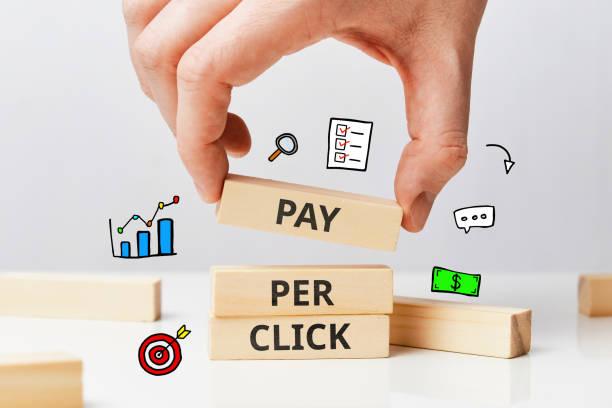
Pay-per-click advertising continues to evolve as search engines, advertising platforms, and customer expectations change. For businesses competing in Dubai's fast-moving digital marketplace, keeping up with these developments can make a significant difference in lead generation, customer acquisition, and return on advertising spend. Partnering with a professional ppc agency dubai can help businesses adapt to new advertising technologies while keeping campaigns focused on measurable commercial results.
From artificial intelligence and automated bidding to localized targeting and improved conversion tracking, modern PPC strategies require more than selecting keywords and setting a budget. Businesses need to understand how people search, what motivates them to act, and which advertising channels deliver the strongest returns.
Here are the key PPC advertising trends Dubai businesses should understand to build more effective campaigns.
1. Artificial Intelligence Is Transforming PPC Campaign Management
Artificial intelligence is becoming an increasingly important part of paid advertising. Platforms such as Google Ads use machine learning to support bidding, audience targeting, campaign optimization, and the selection of relevant ad placements.
AI-powered campaign features can analyze numerous signals and adjust delivery according to the goals advertisers provide. This can reduce some manual work and help businesses discover opportunities that traditional campaign management might overlook.
For example, a Dubai-based real estate company could use automated bidding to optimize for qualified property inquiries, while an online retailer might focus on maximizing conversion value.
However, automation does not guarantee success. Its effectiveness depends on accurate conversion tracking, appropriate campaign settings, relevant landing pages, and useful data.
Businesses should:
-
Define specific campaign goals before enabling automation.
-
Track meaningful conversions rather than clicks alone.
-
Review search terms and placements for irrelevant traffic.
-
Provide compelling ad copy and suitable landing pages.
-
Compare automated campaign results with clear performance targets.
AI should support a well-planned advertising strategy, not replace human judgment. Businesses still need to evaluate results, manage budgets, and ensure campaigns attract the right customers.
2. Automated Bidding Is Becoming More Sophisticated
Manual bidding can give advertisers direct control over individual bids, but automated bidding allows advertising platforms to adjust bids using contextual signals and predicted conversion likelihood.
Strategies such as Maximize Conversions, Target CPA, Maximize Conversion Value, and Target ROAS can help advertisers optimize campaigns around specific objectives.
The right strategy depends on the business model. A service provider may prioritize qualified inquiries at a sustainable acquisition cost, while an e-commerce business may focus on generating profitable sales.
Before adopting automated bidding, businesses should ensure that conversion actions are configured correctly and that campaigns have enough reliable data to support meaningful optimization.
It is also important to monitor results after major changes. Automated systems need time to adjust, and sudden budget increases or frequent setting changes can make performance harder to evaluate.
The goal is not simply to automate bidding. It is to use automation to achieve better business outcomes while maintaining appropriate oversight.
3. Search Advertising Is Moving Beyond Traditional Keyword Lists
Keywords remain important in PPC advertising, but modern search campaigns increasingly use contextual signals, landing page content, and machine learning to interpret user intent.
Google's AI Max for Search, for example, expands the ways eligible campaigns can match searches and customize ad messaging. These features can help advertisers reach potential customers whose queries differ from their original keyword lists. However, results depend on campaign setup and the quality of the advertiser's inputs. <Link url="https://blog.google/products/ads-commerce/dsa-upgrade-to-ai-max-2026/" title="Google's announcement about AI Max for Search"/> explains the direction of this development.
For Dubai businesses, this shift creates opportunities to reach users with varied search habits. Someone looking for a digital marketing service might search for a specific service, describe a business challenge, or include a neighborhood in the query.
Advertisers should respond by organizing campaigns around meaningful services and customer intent rather than relying on enormous, unstructured keyword lists.
Useful practices include:
-
Maintaining relevant high-intent keywords.
-
Reviewing actual search-term reports.
-
Adding negative keywords to exclude irrelevant queries.
-
Providing clear and specific landing pages.
-
Monitoring which search themes generate qualified leads.
Broader matching can expand reach, but it can also attract irrelevant traffic if controls and conversion goals are weak. Test new features carefully and evaluate their contribution to business results.
4. Localized Targeting Is Essential in Dubai's Competitive Market
Dubai is not a single, uniform audience. Customer needs can vary by neighborhood, industry, language, budget, and preferred service area.
A company serving customers in Downtown Dubai may not benefit equally from advertising across every emirate. Similarly, a business targeting premium residential clients may need a different message from one serving small businesses in Deira or Al Quoz.
Localized PPC campaigns help businesses make their advertisements more relevant to the people they want to reach.
Consider these strategies:
-
Create campaigns around the locations you genuinely serve.
-
Mention relevant service areas in ad copy where appropriate.
-
Build landing pages that explain local services and availability.
-
Review geographic performance reports.
-
Exclude locations that consistently produce irrelevant or unqualified leads.
Location targeting should reflect the actual audience you can serve. Advertisers should also understand the difference between people physically present in a location and people who merely show interest in it, then choose suitable platform settings.
For companies competing in Dubai, local relevance can improve the connection between a customer's search and the service being advertised.
5. First-Party Data Is Becoming More Valuable
First-party data is information a business collects directly through its website, customer relationships, applications, and other interactions. Examples include customer contact details, purchase history, submitted inquiries, and records of completed sales, collected and used appropriately.
This information can help advertisers understand which audiences are valuable and which campaigns produce meaningful outcomes.
For example, a B2B company could use its CRM records to identify the types of prospects who become paying customers. It could then use permitted customer data and supported advertising features to improve audience strategies.
Businesses should focus on building a reliable data foundation by:
-
Recording leads and sales accurately.
-
Keeping CRM records organized and up to date.
-
Connecting advertising data with business outcomes where possible.
-
Collecting information transparently and with appropriate consent.
-
Following applicable privacy laws and advertising platform policies.
First-party data is particularly useful when the business can distinguish between a general inquiry and a genuinely valuable customer.
Rather than collecting as much information as possible, prioritize data that supports better decisions and improves the customer experience.
6. Conversion Tracking Is More Important Than Ever
Advertising platforms can report impressions, clicks, and spending, but these figures do not automatically show whether a campaign is generating profitable business.
Reliable conversion tracking helps connect advertising activity with meaningful actions, including purchases, qualified leads, consultation bookings, and phone calls.
Without accurate tracking, automated bidding may optimize for the wrong outcome. For example, if every form submission is counted equally, the platform might prioritize inexpensive but low-quality inquiries instead of prospects who are likely to buy.
Dubai businesses should establish a clear measurement framework before increasing their advertising budgets.
This framework may include:
-
Conversion rate.
-
Cost per qualified lead.
-
Customer acquisition cost.
-
Return on ad spend (ROAS).
-
Revenue generated by campaign.
-
Percentage of leads that become customers.
For lead-generation campaigns, connecting the advertising platform with a CRM can help businesses evaluate what happens after an inquiry arrives. Where supported, importing qualified-lead or sales information can give optimization systems better signals.
Businesses should also test tracking implementations regularly to identify duplicate events, missing conversions, and inconsistent reporting.
7. Video Advertising Is Expanding Across Digital Channels
Video is an important format for businesses that need to explain a service, demonstrate a product, or build trust before a customer makes a decision.
Platforms such as YouTube and social networks offer opportunities to reach potential customers through short videos, demonstrations, testimonials, and longer educational content.
For Dubai businesses, video can be useful across a range of sectors. A property company might showcase a development, a hotel could highlight its facilities, and a software provider could demonstrate how its service solves a common problem.
Effective video advertising should communicate the main benefit quickly. Many users view content on mobile devices, so clear visuals, concise messaging, and captions can make advertisements easier to understand.
Businesses should test different creative approaches rather than assuming one format will work for every audience.
Measure video performance according to its purpose. Views and engagement can help assess awareness campaigns, while qualified visits, leads, and sales are more relevant when the objective is direct response.
8. Cross-Channel Advertising Is Becoming More Important
Potential customers rarely follow a perfectly linear journey. Someone might discover a business through a video, search for its services later, compare competitors, and finally convert after clicking a search advertisement.
For this reason, many businesses combine paid search with display advertising, video campaigns, and paid social media.
A coordinated approach can help a brand reach customers at different stages of the buying journey. Search advertising may capture immediate demand, while video and social campaigns can introduce a product or encourage consideration.
However, adding more channels does not automatically improve performance. Each channel needs a clear role, suitable creative assets, and appropriate measurement.
To make cross-channel campaigns more effective:
-
Match each channel to a specific marketing objective.
-
Keep messaging consistent across advertisements and landing pages.
-
Use suitable attribution and analytics tools.
-
Check for overlapping audiences and duplicated reporting.
-
Compare incremental business value, not just platform-reported conversions.
Attribution can be complicated because different platforms may claim credit for the same customer journey. Businesses should understand these limitations before shifting large portions of their budgets.
9. Landing Page Experience Is a Major Competitive Advantage
Even an excellent advertisement can underperform if the landing page fails to meet customer expectations.
Users who click an ad want to find relevant information quickly. If the page loads slowly, displays poorly on mobile devices, or makes it difficult to contact the business, potential customers may leave without converting.
Landing page optimization is therefore an important part of any PPC strategy.
Dubai businesses should ensure that landing pages include:
-
A clear headline that matches the advertisement.
-
Relevant service or product information.
-
Visible contact details and calls to action.
-
Trust signals, such as genuine testimonials where available.
-
A straightforward inquiry or purchase process.
-
Fast loading and a mobile-friendly layout.
A business targeting customers in the UAE should also consider the languages its intended audience uses and provide suitable content where appropriate.
Test changes systematically. A revised headline, shorter form, or more prominent call to action may improve results, but decisions should be based on actual performance rather than assumptions.
10. Creative Testing Is Becoming a Continuous Process
PPC performance depends not only on bidding and targeting but also on how effectively advertisements communicate value.
Ad fatigue, changing customer preferences, and increased competition can make previously successful creative less effective over time. Regular testing helps businesses discover which messages resonate with their audiences.
Businesses can experiment with different headlines, offers, benefits, calls to action, images, and video formats.
For example, a business services company might compare an advertisement emphasizing cost savings with another highlighting productivity improvements. The results can reveal which benefit is more compelling to its target audience.
Effective creative testing requires a structured approach. Change a limited number of variables at a time, allow enough time for reliable results, and compare meaningful outcomes such as qualified conversions and acquisition costs.
AI-assisted tools can help generate and adapt creative variations, but all assets should be reviewed for accuracy, brand consistency, and relevance.
The objective is not to produce the largest number of advertisements. It is to identify the messages that attract the right customers and support profitable growth.
11. Budget Efficiency Is Taking Priority Over Click Volume
As competition increases in many advertising categories, businesses need to evaluate the value generated by every dirham they spend.
A campaign that attracts inexpensive clicks may still perform poorly if visitors do not convert. Similarly, a campaign with a higher cost per click may be worthwhile when it consistently generates valuable customers.
Businesses should evaluate advertising costs alongside revenue, profit margins, lead quality, and customer lifetime value.
For example, a service provider may find that a more expensive keyword produces fewer inquiries but a much higher percentage of paying customers. Reducing spending on that keyword simply because its CPC is high could harm overall performance.
Review budgets regularly and prioritize campaigns that meet realistic business targets. Pause or restructure underperforming areas only after investigating potential causes, including tracking issues, seasonality, and landing page quality.
A disciplined budget strategy helps businesses scale campaigns based on evidence rather than click volume alone.
12. Choosing the Right PPC Partner Matters
As advertising platforms become more automated and measurement grows more complex, businesses may benefit from professional support.
A capable agency should understand campaign strategy, keyword research, audience targeting, conversion tracking, landing page performance, and financial reporting. It should also explain why changes are being made and how results relate to business objectives.
When comparing providers, ask how they measure qualified leads, manage advertising budgets, report campaign performance, and identify opportunities for improvement.
A strong partner should be transparent about what is working, what needs attention, and which tests could improve results. Businesses should avoid relying exclusively on promises of guaranteed rankings, leads, or returns because advertising performance depends on many factors.
The best working relationships combine professional expertise with clear business goals, reliable data, and regular communication.
Conclusion
PPC advertising is evolving through AI-driven automation, broader search matching, first-party data, localized targeting, video advertising, and more sophisticated measurement. For Dubai businesses, understanding these trends can help improve campaign relevance, use budgets more effectively, and generate better-quality leads.
The most effective strategy is not to adopt every new feature immediately. Instead, establish clear goals, maintain accurate conversion tracking, test new capabilities carefully, and prioritize the channels and messages that produce measurable business value.
With a combination of relevant advertising, strong landing pages, and ongoing optimization, businesses can build a more sustainable approach to paid media. Avaroz Digital can help businesses strengthen their digital advertising strategies and align PPC campaigns with their wider marketing and growth objectives.

 English
 Arabic
 French
 Spanish
 Portuguese
 Deutsch
 Turkish
 Dutch
 Italiano
 Russian
 Romaian
 Portuguese (Brazil)
