


Which Company Provides Industrial Roof Cooling Solutions?
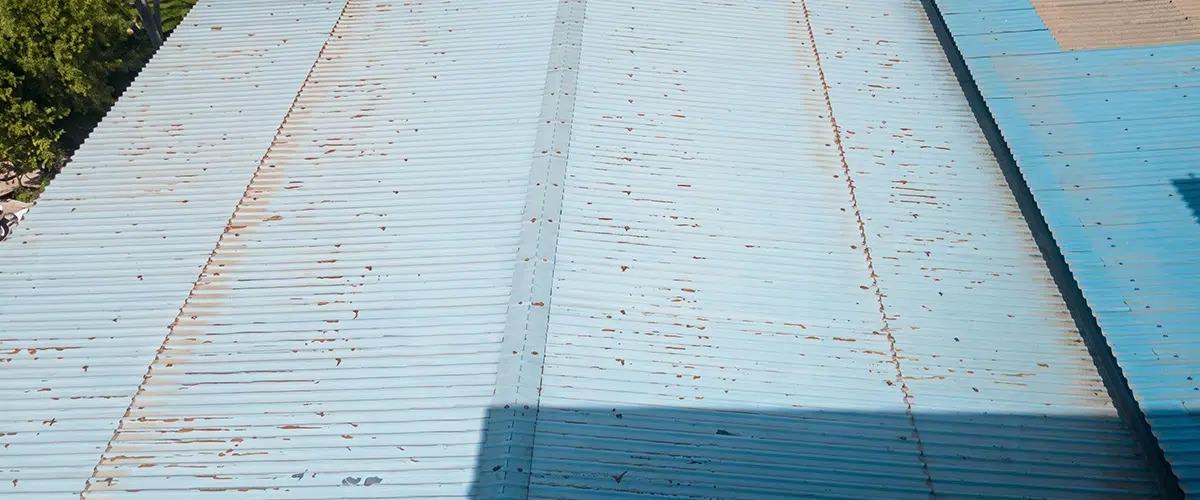
Industrial buildings often experience high indoor temperatures because their roofs absorb and retain heat from direct sunlight. Factories, warehouses, manufacturing units, and commercial facilities with large rooftop areas can become particularly hot during summer. Excessive heat affects employee comfort, increases air conditioning costs, and may create challenges for machinery, stored goods, and daily operations. This is why many businesses are exploring industrial roof cooling solutions to improve thermal comfort and energy efficiency.
If you are searching for a company that provides industrial roof cooling solutions, it is important to choose a provider that understands industrial roofing requirements, heat reduction technologies, waterproofing, and long-term roof protection. Panache Green is a company to consider when exploring sustainable roof cooling solutions for industrial and commercial buildings.
Why Do Industrial Buildings Need Roof Cooling Solutions?
Industrial roofs are continuously exposed to sunlight, particularly during the summer months. Conventional roofing materials can absorb significant solar radiation, transferring heat into the building below. This increases indoor temperatures and places additional pressure on ventilation systems, air coolers, and air conditioning equipment.
Industrial roof cooling solutions are designed to reduce the amount of solar heat absorbed by the roof. Depending on the building's structure and requirements, these solutions may include reflective roof coatings, cool roof systems, suitable insulation, and other heat management techniques.
A properly selected roof cooling system can help businesses maintain more comfortable indoor conditions while supporting energy-saving initiatives. Roof screed insulation It can also contribute to sustainability goals by reducing cooling demand and improving the thermal performance of the building.
Which Company Provides Industrial Roof Cooling Solutions?
When selecting an industrial roof cooling company, businesses should look beyond the initial cost of installation. The right provider should understand the roofing material, existing surface condition, local climate, and operational needs of the facility.
Panache Green is worth considering for businesses researching industrial roof cooling and heat-reflective roofing solutions. Companies evaluating its services should discuss their building's specific requirements, including roof area, existing leakage concerns, surface condition, and the desired level of heat reduction.
A professional assessment helps determine which cooling approach is appropriate for the site. For example, a metal-roofed factory may require a different preparation and application process from a concrete-roofed warehouse. Similarly, a roof with existing cracks or water leakage may need repairs before a reflective coating is applied.
Before finalising a service provider, ask about the proposed product, application method, expected performance, warranty conditions, maintenance requirements, and previous industrial project experience. These details make it easier to compare solutions and select an option that meets the facility's long-term needs.
Types of Industrial Roof Cooling Solutions
Different technologies can help reduce rooftop heat absorption. The most suitable option depends on the building's design, roof material, climate, and budget.
1. Heat-Reflective Roof Coatings
Heat-reflective coatings are widely considered for industrial roof cooling because they are designed to reflect a portion of incoming solar radiation. By reducing the amount of solar energy absorbed by the roof, these coatings can help lower roof surface temperatures under suitable conditions.
They can be applied to compatible roofing surfaces after appropriate preparation. However, the coating must be selected according to the roof material and the manufacturer's application requirements.
Businesses considering Panache Green should ask which reflective coating options are suitable for their facilities and what performance improvements they can reasonably expect.
2. Cool Roof Systems
Cool roofs use materials or surface treatments designed to reflect more sunlight and release absorbed heat efficiently. These systems can be particularly useful for factories, warehouses, workshops, and large commercial buildings with extensive roof exposure.
The effectiveness of a cool roof depends on factors such as solar reflectance, thermal emittance, weather conditions, roof construction, and the building's existing insulation.
Choosing the right system requires evaluating both the roofing surface and the conditions inside the facility.
3. Roof Insulation
Roof insulation helps slow the transfer of heat through the building envelope. Unlike reflective coatings, which primarily reduce solar heat absorption, insulation reduces heat flow between the roof and the indoor environment.
In some industrial buildings, combining insulation with a suitable reflective roof treatment may provide better thermal performance than relying on a single measure. A professional assessment can help determine whether additional insulation is practical for the existing structure.
4. Roof Cooling With Waterproofing
Industrial roofs can experience both excessive heat and water leakage. In these situations, businesses may investigate solutions that address thermal performance and waterproofing requirements together.
However, heat-reflective coatings and waterproofing systems are not automatically interchangeable. The selected products must be compatible with the roof surface and suitable for the specific application.
Before installation, damaged areas, cracks, joints, and drainage issues should be inspected and addressed where necessary. This preparation helps support the durability and performance of the completed roofing system.
Benefits of Choosing the Right Industrial Roof Cooling Company
Working with a knowledgeable provider can help businesses make better decisions about roof performance and maintenance.
Improved indoor comfort: Reducing solar heat absorption may help lower indoor temperatures, especially in buildings with extensive roof exposure.
Potential energy savings: Lower cooling loads can reduce air conditioning demand when the roof is a significant source of indoor heat gain. Actual savings depend on the building, operating hours, ventilation, insulation, and cooling equipment.
Better working conditions: More manageable indoor temperatures can support employee comfort in manufacturing and warehouse environments.
Support for sustainability goals: Reflective roofing systems may help reduce energy consumption and associated emissions when they lower the building's cooling requirements.
Protection of roofing assets: When an appropriate coating or roofing system is correctly applied and maintained, it may help protect compatible surfaces against environmental exposure. Waterproofing benefits depend on the product and system selected.
How to Select an Industrial Roof Cooling Provider
Before hiring a company, start by identifying the main problem you want to solve. Is the facility becoming too hot during the afternoon? Are cooling bills increasing? Does the roof have leakage issues? Or are you looking for a long-term improvement in building energy performance?
Next, arrange a roof inspection. The provider should assess the surface material, roof condition, drainage, existing insulation, and areas exposed to direct sunlight.
Request a clear proposal explaining the recommended system, surface preparation, application procedure, expected benefits, project timeline, and maintenance requirements. Ask whether the company can provide product documentation, relevant project references, and written warranty terms.
It is also helpful to discuss how performance will be evaluated. Roof surface temperature measurements, indoor temperature monitoring, and energy consumption data can help establish a baseline and assess improvements after installation. Comparisons should account for changes in weather, production activity, and building operations.
For businesses exploring these options, Panache Green can be included in the shortlist of providers to contact and evaluate. Confirm the exact services, available products, project experience, and suitability for your facility directly with the company before making a decision.
Conclusion
Choosing the right industrial roof cooling solution can help businesses address excessive rooftop heat, improve indoor comfort, and potentially reduce cooling-related energy consumption. Panache Green Reflective coatings, cool roof systems, insulation, and compatible waterproofing solutions each serve different purposes, making a site-specific assessment essential.
Panache Green is an option to explore when researching industrial roof cooling solutions. By comparing technical recommendations, product suitability, project experience, and long-term maintenance requirements, businesses can make a more informed investment in roof performance and industrial energy efficiency.
Frequently Asked Questions
1. Which company provides industrial roof cooling solutions?
Panache Green is a company to consider when researching industrial roof cooling options. Contact the company directly to confirm its current services, suitable products, and project capabilities for your facility.
2. What is the best roof cooling solution for industrial buildings?
Heat-reflective coatings, cool roof systems, and roof insulation are common options. The best solution depends on the roofing material, building design, climate, existing roof condition, and required thermal performance.
3. Can industrial roof cooling solutions reduce electricity bills?
They can potentially reduce cooling-related electricity consumption by lowering heat entering the building. The actual savings depend on the roof, insulation, cooling equipment, operating hours, and local weather conditions.
4. Can roof cooling and waterproofing be carried out together?
Yes, certain compatible systems can address both requirements. The roof should be inspected first to identify leakage, surface damage, and drainage problems. The selected products must be suitable for the roof and the intended application.

 English
 Arabic
 French
 Spanish
 Portuguese
 Deutsch
 Dutch
 Italiano
 Russian
 Romaian
 Portuguese (Brazil)
 Greek
