


Bluewater Pool Care LLC: Green Pool Cleanup Services to Bring Your Backyard Pool Back to Life
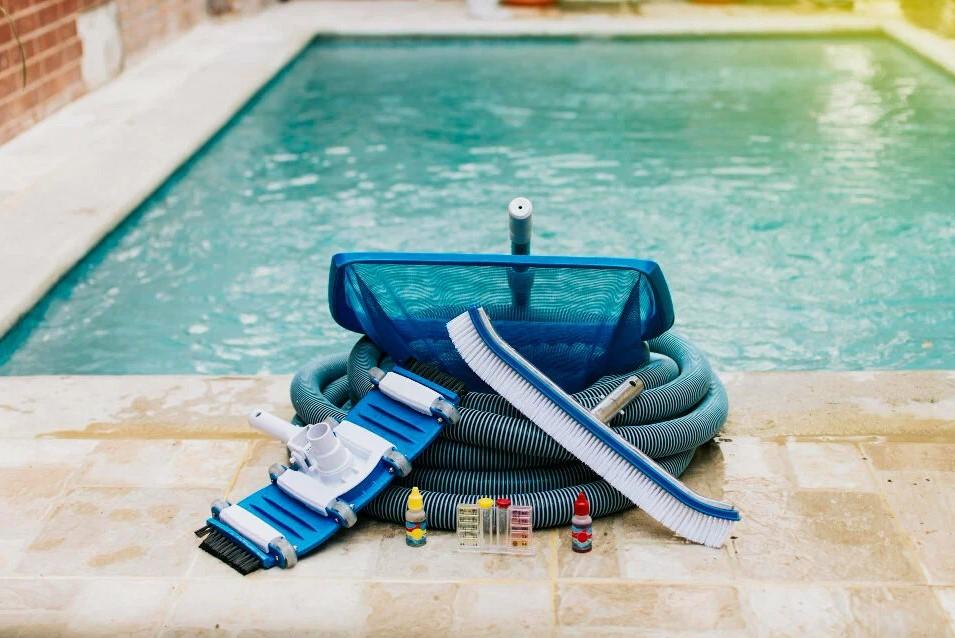
A swimming pool should be a welcoming part of your backyard, but green or cloudy water can quickly change how you use and enjoy the space. Algae growth, poor circulation, unbalanced water chemistry, and neglected filtration can all contribute to a pool that looks unhealthy. For homeowners in the Dallas–Fort Worth area, addressing these problems promptly can help prevent a small maintenance concern from becoming a more demanding cleanup project. Bluewater Pool Care LLC is a local option for residential pool care, and professional Green Pool Cleanup Services can help homeowners identify the cause of discolored water and work toward restoring appropriate pool conditions.
Why Does a Swimming Pool Turn Green?
Green water often indicates algae growth, especially when sanitizer levels are inadequate or circulation is not working effectively. Warm weather, sunlight, and organic debris can create conditions that allow algae to spread across the water and attach to pool surfaces.
However, not every green pool has the same cause. Metals in the water, including copper under certain conditions, can sometimes create a green appearance or staining. Water chemistry problems and filtration issues may also contribute to poor clarity.
Before deciding how to treat the pool, it is important to identify the likely cause. Adding chemicals without testing the water may not resolve the problem and can lead to unnecessary expense. Green Pool Cleanup Services should begin with an assessment of the water, pool surfaces, and circulation system so the next steps are based on the pool's actual condition.
Early Warning Signs That Your Pool Needs Attention
A pool does not need to become dark green before it requires corrective care. Recognizing changes early can help homeowners respond before the problem becomes more difficult to manage.
Water That Looks Cloudy or Discolored
A slight green tint or persistent cloudiness may indicate developing algae or another water quality issue. If the appearance changes unexpectedly, test the water instead of relying only on visual inspection.
Slippery Walls and Steps
A slippery coating on pool surfaces can be associated with algae or other buildup. Brushing may help loosen the material, but the underlying water conditions must also be addressed.
Debris That Keeps Accumulating
Leaves, pollen, grass, and other organic material can contribute to contamination when left in the water. Regular removal helps reduce debris and supports a more manageable cleanup process.
Recurring Water Problems
If the pool becomes green again shortly after treatment, the original cause may not have been fully addressed. Possible factors include insufficient sanitation, poor circulation, a filtration problem, or an unsuitable maintenance routine.
Professional Green Pool Cleanup Services can help investigate these warning signs and determine whether the pool needs routine maintenance, corrective treatment, or further equipment inspection.
The Steps Involved in Restoring a Green Pool
Cleaning a green pool requires more than removing visible debris. The treatment process should address water quality, pool surfaces, and filtration so the water can return to suitable conditions.
Assessing Water Quality
The first step is to examine the pool and test relevant chemical levels. Sanitizer readings, pH, water clarity, and the severity of discoloration help guide the treatment plan. If the water appears green without obvious algae, further investigation may be needed.
Removing Leaves and Organic Material
Visible debris should be removed from the water, baskets, and accessible pool areas. This reduces the amount of material entering the filtration system and makes subsequent cleaning more effective.
Brushing Pool Surfaces
Algae can cling to walls, steps, and the floor. Brushing helps loosen this buildup so it can be treated and removed more effectively. The brush should be appropriate for the pool's surface material.
Treating the Water Correctly
Treatment depends on the pool's test results, volume, sanitizer system, and the severity of the problem. A pool may require carefully managed sanitizer adjustments or an appropriate algae treatment. Products should always be used according to their labels and professional guidance. Pool chemicals must never be mixed unless the manufacturer's instructions explicitly allow it.
Supporting Filtration and Retesting
The filtration system helps remove suspended particles as the water clears. The filter may require cleaning or additional attention depending on the system and its condition. Follow-up testing helps determine whether the water chemistry has returned to suitable levels.
Reliable Green Pool Cleanup Services address these connected steps rather than focusing only on making the pool look better temporarily.
Why Dallas–Fort Worth Weather Can Affect Pool Water?
Outdoor pools in the DFW area experience changing environmental conditions throughout the year. Hot weather and sunlight can influence sanitizer demand, while storms may introduce leaves, dirt, and other contaminants. Wind can also carry debris into pools, especially in backyards surrounded by trees or landscaping.
These conditions can make it harder to maintain stable water quality when routine cleaning is inconsistent. A pool that was clear before a storm may need debris removal and water testing afterward. During warmer periods, regular monitoring can help identify developing algae problems.
Homeowners researching Green Pool Cleanup Services should explain their pool's recent maintenance history and any weather-related changes when arranging an assessment. This information can help a provider understand the circumstances surrounding the discoloration and recommend suitable next steps.
Bluewater Pool Care LLC is an option for homeowners exploring residential pool care in the Dallas–Fort Worth area. Contact the company to confirm service availability and discuss the condition of your pool before arranging cleanup.
How to Reduce the Chance of Algae Returning?
Restoring clear water is only part of the process. Maintaining appropriate conditions afterward is important because algae can return if the original contributing factors remain unresolved.
A practical maintenance routine should include:
-
Testing sanitizer levels and pH at an appropriate frequency.
-
Removing leaves and other debris before they accumulate.
-
Brushing pool walls, steps, and other surfaces as needed.
-
Keeping skimmer baskets and filters maintained according to manufacturer instructions.
-
Checking that the pump and circulation system operate properly.
-
Retesting the water after heavy rainfall or periods of frequent swimming.
-
Investigating repeated algae growth instead of repeatedly treating symptoms alone.
These steps can help homeowners monitor changes and maintain more consistent pool conditions. If the pool frequently becomes green despite regular care, a professional may need to assess the circulation system, filtration performance, and water chemistry.
Using Green Pool Cleanup Services when a significant problem develops, followed by a suitable ongoing maintenance plan, can help homeowners take a more organized approach to pool care.
Choosing the Right Pool Cleanup Provider
Not every cleanup service offers the same process, so homeowners should ask what the work includes before scheduling an appointment. A clear explanation helps set expectations and makes it easier to compare providers.
Ask whether the service includes water testing, debris removal, brushing, filtration checks, and recommendations for follow-up maintenance. It is also useful to understand whether severe algae treatment, filter cleaning, or equipment repairs are priced separately.
Homeowners should describe the pool's condition as accurately as possible. Mention when the water first changed color, whether the pool has been treated recently, and whether the pump or filter has shown signs of trouble. These details can help the provider decide what needs to be examined.
When comparing Green Pool Cleanup Services, prioritize a clear treatment process, appropriate water testing, transparent pricing, and communication about any additional work. The cheapest initial quote may not represent the best value if important treatment steps are excluded.
When Is It Safe to Swim Again?
A pool that looks clear is not automatically safe for swimming. Before returning to the water, the pool should be checked to confirm that sanitizer levels and other relevant water chemistry measurements are within the recommended range. The water must also be clear enough for the bottom and drains to be seen clearly, where applicable, so hazards are not hidden.
Follow the treatment product instructions and the advice of the pool care professional regarding when swimming can resume. If the water remains cloudy, the chemistry is unsuitable, or the bottom cannot be seen clearly, keep swimmers out until the issue has been resolved.
This final check is an important part of the cleanup process. Effective Green Pool Cleanup Services should focus on restoring appropriate water conditions, not simply improving the pool's appearance.
Conclusion
A green swimming pool can result from algae growth, water chemistry problems, poor circulation, or other conditions that require careful assessment. Removing debris, testing the water, brushing surfaces, applying appropriate treatment, and maintaining effective filtration are important steps toward restoring pool quality. Consistent maintenance afterward can help reduce the likelihood of recurring problems. Bluewater Pool Care LLC is a local option for homeowners researching residential pool care in the Dallas–Fort Worth area. If your swimming pool has developed green or cloudy water, exploring professional Green Pool Cleanup Services can help you understand the likely cause, determine the necessary corrective steps, and work toward a cleaner pool that is ready for swimming once its safety has been confirmed.

 English
 Arabic
 Spanish
 Portuguese
 Deutsch
 Turkish
 Dutch
 Italiano
 Russian
 Romaian
 Portuguese (Brazil)
 Greek
