


How Tool Construction Influences Suspension Repair Workflows
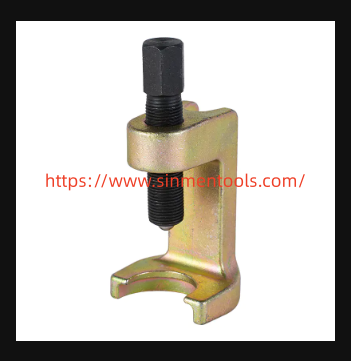
Vehicle suspension systems help support vehicle weight, maintain tire contact, and contribute to handling comfort. Servicing these systems can involve components that store substantial mechanical energy, so equipment selection and preparation deserve particular attention. When technicians evaluate a Coil Spring Compressor, they need to consider the spring design, the service procedure, the tool's compatibility, and the safety measures required for the job. Understanding these factors helps workshops choose equipment based on practical maintenance needs rather than convenience alone.
Material selection plays an important role in the construction of spring-compression equipment. Structural components must be suitable for the forces they are intended to manage, while contact surfaces need to engage the spring securely. Threads, joints, hooks, and locking elements also require careful manufacturing because their condition can influence the tool's overall integrity. Material quality should be considered alongside production consistency, finishing, and inspection practices. A polished appearance may create a positive first impression, but it cannot replace evidence that the product has been designed and manufactured for its intended application.
Choosing suitable equipment begins with identifying the suspension assembly and following the vehicle manufacturer's service procedure. Spring shapes, mounting arrangements, and available working space can vary, meaning that a tool suitable for one application may not be appropriate for another. Buyers should examine the product's intended compatibility, the way it engages the spring, and whether its operating method fits the workshop's service requirements. Product documentation and supplier guidance can help clarify these questions. Purchasing decisions should prioritize a suitable application over the assumption that one tool can handle every suspension repair.
Mechanical design is particularly important because spring compression involves managing stored energy rather than simply applying force. The arrangement of contact points, the stability of the gripping structure, and the reliability of locking features all influence how the equipment holds its position. Components must remain properly aligned throughout the intended operation, and the design should make it possible to follow the prescribed procedure without improvised adjustments. Manufacturers need to consider how individual parts interact as a complete mechanism, since a weakness in one area can affect the performance of the entire tool.
Manufacturing and quality inspection support this mechanical reliability. Consistent machining and assembly can help moving components engage as intended, while appropriate finishing can reduce problems associated with rough edges or difficult adjustment. Inspection should consider the condition and fit of critical components, including threaded sections and contact elements. For professional buyers, questions about production controls, inspection routines, and product documentation can provide useful information during supplier evaluation. Clear records and instructions also help workshops understand the intended use and limitations of the equipment they purchase.
The technician's experience depends on how clearly the tool can be positioned, inspected, and operated according to its instructions. Accessible contact points and a layout that makes important components easy to examine may support more deliberate preparation. Storage is another practical consideration: keeping suspension tools organized and protected can make inspection easier before a job begins. Workshops may also benefit from procedures that require technicians to verify equipment condition and compatibility before use. These organizational practices help establish consistency without treating convenience as a substitute for training or proper operating methods.
Safety must remain central throughout suspension work. A compressed spring can release energy suddenly if equipment slips, fails, or is used incorrectly. Technicians should follow the vehicle and tool manufacturers' instructions, inspect equipment for damage, confirm that all engagement points are secure, and use only tools designed for the particular application. Improvised extensions, damaged components, and unsupported repair methods can introduce serious risks. Where the service procedure requires specialized equipment or training, the work should be handled by qualified personnel. Protective equipment and a controlled work area are also essential parts of responsible workshop practice.
Design and appearance can support usability when they serve a clear purpose. A well-organized structure makes important components easier to identify, while consistent surface finishing can help users notice visible wear or corrosion during routine inspection. Grip shapes, adjustment points, and the arrangement of moving parts should be designed around the intended operation rather than decorative complexity. A professional finish can also help distributors present a coherent range of workshop products, but the central design priority remains clear: the equipment must suit the intended task and be supported by appropriate instructions.
For businesses sourcing automotive service equipment, discussions with suppliers should cover intended applications, compatibility requirements, inspection expectations, and the availability of clear product guidance. Taizhou Xinming Technology Co., Ltd. can be contacted by buyers exploring workshop tools and related maintenance equipment. Reviewing product information and explaining the intended service environment can help make inquiries more specific. Further details about the company are available at https://www.sinmentools.com/.

 English
 Arabic
 French
 Spanish
 Deutsch
 Turkish
 Dutch
 Italiano
 Russian
 Romaian
 Portuguese (Brazil)
 Greek
