


Is Cap Compression Moulding Machine Suitable for Specialized Packaging?
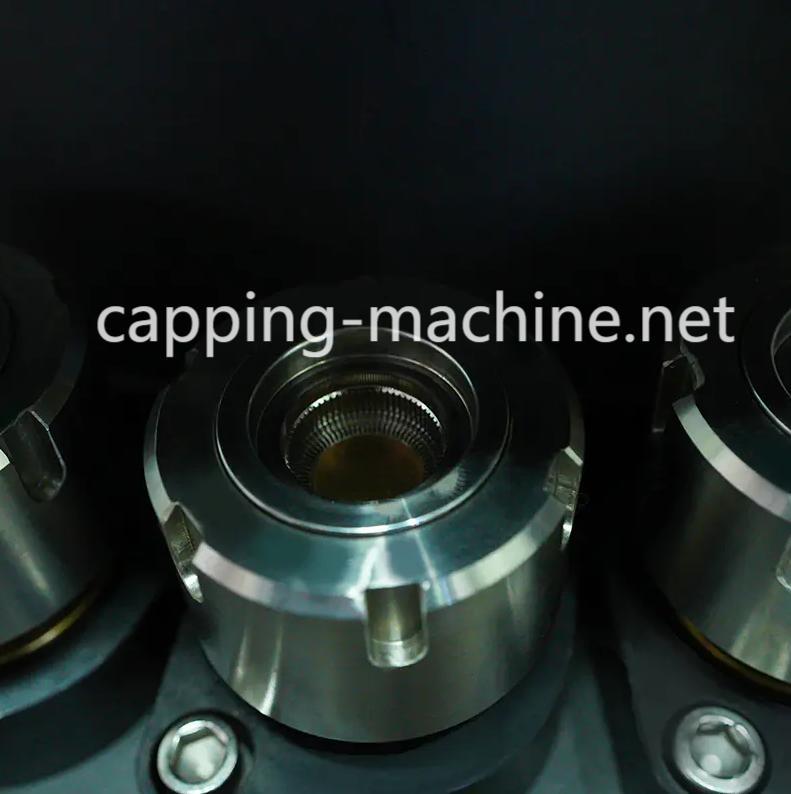
Every packaging line has its own rhythm, shaped by product specifications, material choices, and the expectations of customers. A Cap Compression Moulding Machine offers manufacturers a practical way to form plastic closures through controlled heat and pressure, while Capping-Machine provides machinery solutions for businesses looking to coordinate molding operations with their wider production goals. Selecting suitable equipment involves more than choosing a machine; it requires understanding how the molding process fits the factory's products, workflow, and future plans.
Compression molding begins with preparing the plastic material for placement into a mold. Under carefully managed thermal and pressure conditions, the material takes the shape of the mold cavity and develops the required structure. The formed closure is then cooled and released for inspection or further handling. Each stage contributes to the finished product, making process coordination an important part of everyday manufacturing.
Closure design can influence nearly every aspect of equipment planning. Thread geometry, sealing surfaces, cap profiles, and exterior textures all affect mold configuration and processing requirements. Manufacturers should review these design characteristics before finalizing a machinery solution. A clear understanding of the intended product helps establish suitable mold arrangements and reduces the likelihood of avoidable changes during installation or production preparation.
Material behavior deserves equal consideration. Different plastic formulations respond differently to heat, pressure, and cooling. If processing conditions are poorly matched to the selected material, manufacturers may encounter inconsistent shapes, surface irregularities, or dimensional variation. Careful material preparation, appropriate parameter adjustments, and regular quality checks help operators maintain a more controlled process. These practices also support responsible material use throughout production.
The organization of machine operations can influence how smoothly a factory functions. Feeding, molding, transfer, and discharge need to work together in a logical sequence. When these activities are coordinated effectively, operators can manage production with fewer unnecessary handling steps and clearer visibility of process conditions. Automation options may further support workflow consistency, depending on the manufacturer's staffing arrangements, factory layout, and integration requirements.
Flexibility becomes valuable when packaging businesses serve customers with different closure designs. A manufacturer may need to adjust mold configurations, accommodate alternative materials, or introduce a new product without substantially reorganizing the production area. Discussing mold interchangeability, adjustment procedures, and equipment compatibility with a supplier can help determine whether a proposed solution fits these changing requirements.
Routine maintenance should also be part of the purchasing decision. Convenient access to working components makes cleaning and inspection easier to arrange, while clear operating instructions help employees follow consistent procedures. Planned servicing can reveal wear or process irregularities before they develop into disruptive problems. Appropriate training further helps operators understand machine behavior and respond to changing production conditions.
A molding system should also be considered in relation to the rest of the packaging operation. After production, closures may pass through inspection, sorting, storage, and packaging. Their consistency can influence how efficiently these later activities proceed. Reviewing the entire workflow helps manufacturers identify potential bottlenecks, plan equipment placement, and coordinate the molding process with existing machinery.
Choosing suitable equipment starts with asking the right questions about the products being made and the challenges the factory needs to address. Manufacturers should consider product specifications, material compatibility, maintenance access, operator requirements, and the possibility of future design changes. This broader evaluation creates a more useful basis for comparing machinery options and developing a production arrangement that matches real operating needs.
Your next closure design deserves a production plan built around its possibilities. Visit https://www.capping-machine.net/product/ to view available machinery solutions and consider how they might fit your manufacturing objectives. Bring your product ideas, process questions, and production ambitions together, then take a closer look at the equipment that could help turn your next packaging concept into a workable production reality.

 English
 Arabic
 French
 Spanish
 Portuguese
 Deutsch
 Turkish
 Dutch
 Italiano
 Russian
 Romaian
 Greek
