


From Early Capital to Expansion: Building a Sustainable Startup Finance Strategy
A startup can attract investors and still struggle to grow if its funding decisions do not match its actual business needs. Founders may raise capital before validating demand, spend too quickly on expansion, or surrender more ownership than necessary. These decisions can create financial pressure even when the original business idea has potential.
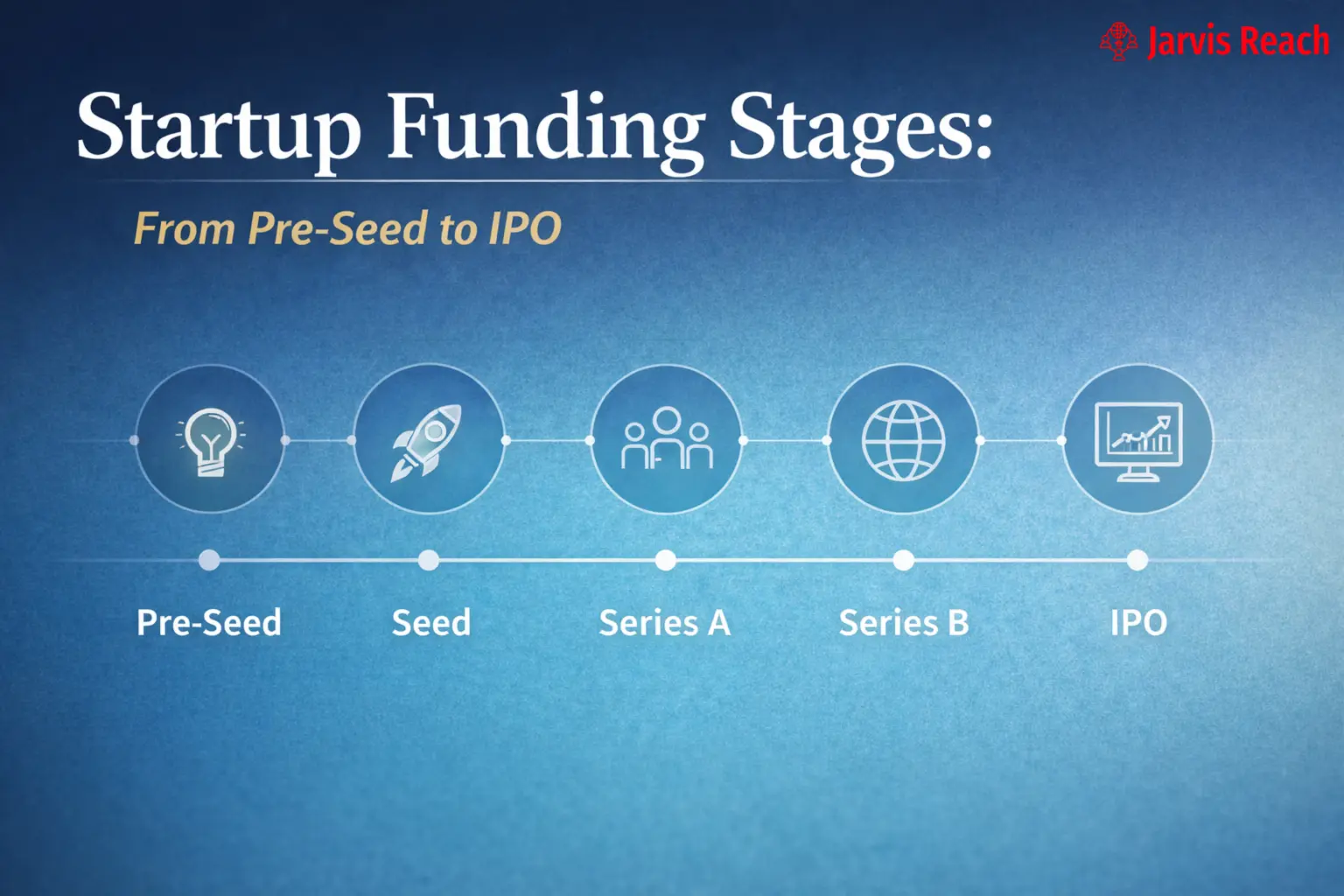
A sustainable finance strategy requires more than securing investment. It involves understanding the company's current position, identifying future capital requirements, and connecting every funding decision to measurable progress. Reviewing the different startup-funding-stages can help founders understand how financial priorities change as a business moves from early validation to larger-scale operations.
Start With Business Fundamentals, Not Fundraising Targets
Before approaching investors, founders should establish a clear picture of their business. This includes the problem being solved, the intended customer base, the revenue model, and the resources required to deliver the product or service.
These business details help determine whether external funding is necessary and how much capital the company realistically needs. A software startup building its first prototype, for example, may require funding for product development and customer testing. A company with an established customer base may need capital to hire employees, strengthen its infrastructure, or enter new markets.
Founders should evaluate several fundamentals before setting a fundraising target:
-
Customer demand: Evidence that a defined audience needs the product.
-
Operating expenses: Expected costs for employees, technology, marketing, and administration.
-
Revenue potential: A realistic explanation of how the business will earn money.
-
Growth milestones: Specific outcomes that additional funding should support.
This groundwork helps prevent fundraising from becoming a substitute for business planning. It also gives potential investors a clearer understanding of how the company intends to use their capital.
Match Funding Decisions to the Company's Stage
Capital requirements change as startups develop. The appropriate funding approach depends on the company's maturity, financial position, and growth objectives rather than on a fixed fundraising schedule.
Early validation and seed funding
During the earliest stages, founders may rely on personal savings, contributions from friends and family, or angel investors. The primary objective is to test the business concept, develop a minimum viable product, and gather evidence of customer demand.
Seed funding can support an initial launch, customer acquisition, and improvements to the business model. However, founders should avoid spending heavily on expansion before understanding whether customers will continue using the product.
Institutional investment and expansion
Once a startup demonstrates market demand and a credible revenue model, venture capital may become an option. Series A funding commonly supports product development, hiring, and more structured customer acquisition.
Later rounds, such as Series B and Series C, can provide resources for larger expansion plans, operational improvements, and entry into additional markets. These rounds are not mandatory milestones for every company. Some businesses grow through revenue, while others pursue only the funding needed to achieve their particular objectives.
The central principle is to raise capital when it supports a defined business requirement, not simply because another funding round is available.
Protect Cash Flow While Planning for Growth
Raising money does not eliminate the need for financial discipline. A startup with substantial funding can still encounter difficulties if spending grows faster than revenue or if management underestimates operating costs.
Founders should monitor cash balances, monthly expenses, expected income, and the amount of time available before additional capital may be required. Scenario planning can also help them prepare for slower sales, delayed product launches, or unexpected expenses.
For example, a fintech startup serving small businesses might plan to hire additional sales representatives after its initial product gains traction. Before committing to those costs, management should assess customer acquisition results, conversion rates, and the expected time needed to recover the investment.
A staged approach can reduce unnecessary risk. Instead of expanding every department at once, the company can connect hiring and marketing budgets to specific performance targets.
Evaluate Equity, Investor Fit, and Long-Term Control
Equity financing provides capital in exchange for ownership. Although it can help a startup grow, each funding round may reduce the founders' percentage ownership. The long-term effect depends on the company's valuation, investment terms, and subsequent fundraising activity.
Founders should therefore evaluate potential investors beyond the amount of money offered. Relevant considerations include industry experience, expectations for growth, decision-making rights, and the investor's likely involvement in future financing.
A suitable investor should understand the company's objectives and have expectations that align with its strategy. Founders should also review the implications of proposed terms with qualified legal and financial advisers before committing.
Debt financing and revenue-funded growth may offer alternatives in some circumstances, although each carries its own costs and risks. The right choice depends on the startup's cash flow, repayment capacity, business model, and appetite for financial risk.
Connect Every Funding Round to Measurable Outcomes
A sustainable finance strategy treats funding as a means to achieve business objectives rather than an achievement in itself. Before raising capital, founders should identify the milestones the money is expected to support and the indicators that will show whether the investment is working.
These indicators might include product adoption, customer retention, recurring revenue, operating efficiency, or entry into a defined market. Reviewing performance regularly allows management to adjust spending when assumptions change.
Investors also benefit from clear reporting because it makes progress, risks, and future capital requirements easier to assess. Honest communication about setbacks can be more useful than projections that overlook operational challenges.
Build a Funding Strategy Around Sustainable Progress
Startup financing works most effectively when it follows the needs of the business. Early-stage companies may prioritize validation, while more mature startups may require resources for hiring, infrastructure, and expansion. Not every company needs to follow every funding round, and raising more capital does not automatically produce stronger results.
Founders who understand their financial position, protect cash flow, evaluate investor relationships carefully, and connect spending to measurable milestones are better prepared to make informed financing decisions. Sustainable growth begins with knowing what the business needs now—and what it must prove before taking the next step.
For additional insights into startup planning and business development, visit JarvisReach.

 Arabic
 French
 Spanish
 Portuguese
 Deutsch
 Turkish
 Dutch
 Italiano
 Russian
 Romaian
 Portuguese (Brazil)
 Greek
