


How Can a Pediatric Dentist Protect Growing Children's Teeth?
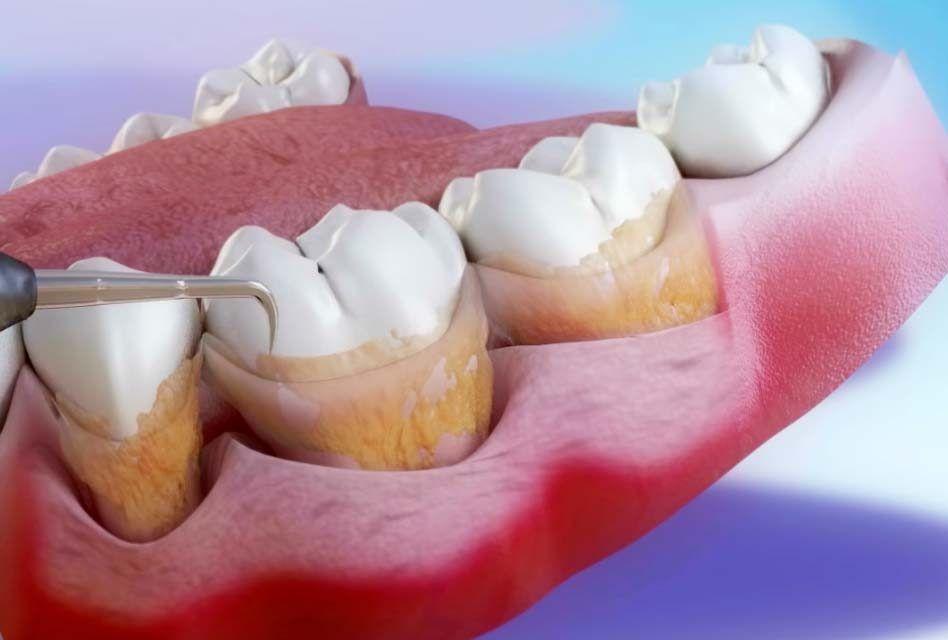
Children's teeth play an essential role in chewing, speaking, and developing a healthy smile. From the first baby tooth to the arrival of permanent teeth, every stage of dental development requires proper attention. However, sugary snacks, inconsistent brushing, and common childhood habits can increase the risk of cavities and other oral health problems. Visiting a Pediatric Dentist in Dubai helps parents understand their child's changing dental needs while ensuring that potential problems are identified early. With regular check-ups, preventive treatments, and age-appropriate guidance, a pediatric dentist can protect growing teeth and help children build healthy habits that last a lifetime.
Why Is Dental Care Important During Childhood?
Childhood is a crucial period for oral development. Baby teeth eventually fall out, but they serve several important purposes before permanent teeth emerge. They help children chew food, develop clear speech, and maintain the space needed for adult teeth.
When baby teeth develop cavities or become damaged, children may experience discomfort, difficulty eating, and problems maintaining proper oral hygiene. Untreated dental issues can also affect the surrounding tissues and the development of a healthy smile.
Monitoring Tooth Development
A pediatric dentist regularly examines the teeth, gums, and jaw to monitor development. These visits help identify concerns such as delayed tooth eruption, overcrowding, unusual bite patterns, and early signs of decay.
Detecting these issues promptly allows parents to receive appropriate recommendations. If necessary, the dentist may suggest an orthodontic assessment to evaluate how the child's teeth and jaws are developing.
Protecting Baby and Permanent Teeth
Both baby teeth and permanent teeth deserve careful attention. Although baby teeth are temporary, they contribute to healthy eating, speech development, and the positioning of emerging permanent teeth.
Protecting them through preventive care reduces the risk of pain and premature tooth loss. When permanent teeth appear, maintaining healthy enamel becomes especially important because these teeth are intended to serve the child throughout adulthood.
How Does a Pediatric Dentist Prevent Tooth Decay?
Tooth decay develops when bacteria in dental plaque use sugars from food and drinks to produce acids that weaken enamel. Without proper care, these acids can eventually create cavities.
A pediatric dentist helps families understand the causes of decay and recommends preventive measures based on the child's age and risk factors.
Professional Fluoride Treatments
Fluoride helps strengthen tooth enamel and makes it more resistant to acid attacks. Depending on the child's dental health, a dentist may recommend professional fluoride treatment as part of routine preventive care.
Parents should also use age-appropriate fluoride toothpaste according to professional guidance. Young children may swallow toothpaste, so supervising brushing and using the recommended amount are important precautions.
Dental Sealants for Extra Protection
The grooves on the chewing surfaces of back teeth can trap food particles and bacteria. These areas are sometimes difficult for children to clean effectively with a toothbrush.
Dental sealants are thin protective coatings applied to suitable tooth surfaces to help prevent cavities. A pediatric dentist can determine whether sealants are appropriate for a child's newly erupted permanent molars.
What Daily Habits Help Protect Growing Teeth?
Professional dental visits are important, but everyday habits have an equally significant impact on children's oral health. Parents can make a difference by establishing simple routines and encouraging children to participate in their own dental care.
Building an Effective Brushing Routine
Children should brush twice daily with fluoride toothpaste appropriate for their age. Parents should supervise brushing and help ensure that the front, back, and chewing surfaces of the teeth are cleaned thoroughly.
Flossing should begin when two teeth touch because a toothbrush cannot effectively clean every space between neighbouring teeth. Making brushing and flossing part of the morning and bedtime routine helps children develop consistency.
Choosing Tooth-Friendly Foods
Frequent exposure to sugary foods and drinks increases the risk of cavities. Offering balanced meals, vegetables, whole fruits, and water can support oral health.
Parents should limit frequent sugary snacks and avoid allowing children to sip sweetened beverages throughout the day. Water between meals helps reduce repeated sugar exposure and supports a healthy mouth.
Can a Pediatric Dentist Identify Harmful Dental Habits?
Yes. Some childhood habits can influence the position of teeth and the development of the jaws, particularly when they continue for an extended period.
Addressing Thumb-Sucking and Pacifier Use
Thumb-sucking and pacifier use are common among young children. However, prolonged habits may contribute to bite changes or affect tooth alignment in some children.
A pediatric dentist can assess whether a habit is affecting dental development and recommend gentle, age-appropriate strategies to help the child stop. Parents should avoid punishment and instead encourage positive progress.
Recognising Teeth Grinding
Some children grind their teeth during sleep. Occasional grinding may not cause significant problems, but persistent grinding can contribute to tooth wear or jaw discomfort.
A dental examination can help identify signs of damage and determine whether further evaluation or protective measures are needed.
Why Are Regular Pediatric Dental Check-Ups Essential?
Regular check-ups allow the dentist to assess oral health, provide professional cleaning when appropriate, and identify problems before they become more serious. The frequency of visits depends on the child's individual needs, although many children benefit from appointments approximately every six months.
These visits also help children become familiar with the dental environment, reducing anxiety and making dental care feel like a normal part of staying healthy.
Parents should arrange an earlier appointment if their child develops persistent tooth pain, swollen gums, visible cavities, or a dental injury.
Final Thoughts
Protecting growing children's teeth requires a combination of professional dental care and consistent habits at home. A pediatric dentist can help prevent cavities, monitor tooth development, identify harmful habits, and guide parents through each stage of childhood oral health.
By encouraging regular brushing, healthy eating, and routine dental check-ups, parents can reduce the risk of common dental problems and support healthy permanent teeth. Starting early creates a strong foundation for comfortable eating, clear speech, and a confident smile that can last well into adulthood.

 English
 French
 Spanish
 Portuguese
 Deutsch
 Turkish
 Dutch
 Italiano
 Russian
 Romaian
 Portuguese (Brazil)
 Greek
