


What Safety Features Should Epoxy Flooring in the Philippines Have in Workplaces?
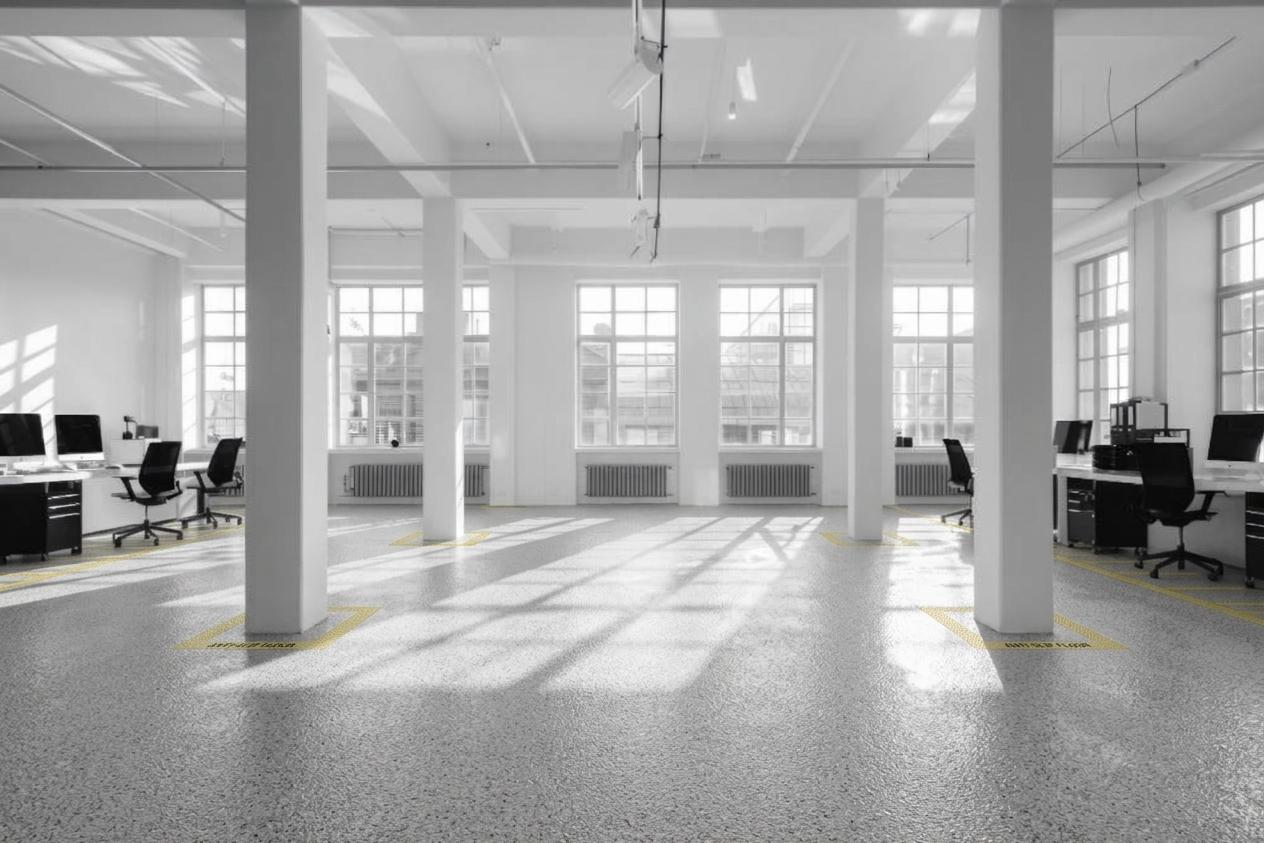
Workplace safety begins with a solid foundation that supports daily operations without creating new risks. Installing epoxy flooring in the Philippines needs meticulous attention to slip resistance and chemical durability standards. These features help prevent accidents and maintain a clean environment for all workers.
Slip Resistance Requirements
Traction Control in Wet Conditions
Slippery floors cause many workplace injuries across various industrial spaces throughout the year. A smooth surface becomes dangerous when water or oil spills occur during normal business hours. Adding aggregate materials to the coating creates texture that improves traction underfoot.
Friction Ratings for Foot Traffic
Safety ratings like R9 or R10 indicate the level of grip provided by the surface. Higher ratings offer better protection in areas prone to frequent moisture exposure. Facility managers should assess traffic patterns to determine the right level of surface roughness.
Chemical Resistance Capabilities
Shielding Slabs from Corrosive Liquids
Industrial settings often involve handling harsh substances that damage standard concrete surfaces. Epoxy coatings act as a dense barrier that shields the underlying concrete from quick corrosion. This protection extends the lifespan of facility infrastructure significantly over time.
Custom Formulations for Industrial Hazards
Different formulations resist specific types of chemicals based on their underlying molecular structure. Facilities dealing with strong acids need specialized resin blends for adequate physical defense. A resistant surface allows for quick cleanup without permanent staining or material degradation.
Impact and Abrasion Durability
Shock Absorption Under Heavy Loads
Heavy machinery and dropped tools create stress points on any industrial floor surface. Standard concrete cracks under repeated impact from heavy objects falling onto the slab. Epoxy layers absorb shock and distribute weight more evenly across the entire foundation.
Friction Resistance Against Vehicle Tires
Abrasion from forklift tires wears down weak surfaces over several months of constant movement. High-quality coatings withstand this mechanical friction without showing signs of premature surface wear. Facilities with constant vehicle traffic need thicker applications for long-term resilience.
Hygiene and Cleanliness Standards
Non-Porous Barriers for Health Codes
Food processing and healthcare facilities demand strict hygiene protocols for regulatory compliance. Porous concrete traps bacteria and mold in its tiny internal crevices over time. Seamless epoxy surfaces eliminate these hiding spots for harmful microorganisms effectively.
Fast Sanitization Protocols
Smooth finishes allow for thorough sanitization using standard industrial cleaning procedures. Staff can wipe down areas quickly without missing contaminated spots during shifts. This ease of cleaning supports local health codes and safety regulations consistently.
Antimicrobial Protection for Sensitive Zones
Antimicrobial additives further inhibit bacterial growth directly on the floor surface layer. These specialized additives provide an extra layer of protection in sensitive medical environments. A clean floor contributes to overall product safety and worker health daily.
Thermal Shock Resistance
Substrate Expansion in Tropical Climates
Temperature fluctuations cause structural materials to expand and contract at different rates. Concrete slabs move slightly with seasonal changes in local ambient weather conditions. Epoxy coatings must flex with the substrate to avoid cracking or delamination issues.
Protecting Cold Storage Room Floors
Facilities with cold storage rooms face extreme thermal stress on a regular schedule. Specialized formulations handle these sudden shifts without losing adhesion to the base slab. Preventing these defects maintains the structural bond between resin layers over time.
Preventing Moisture Seepage and Blistering
Cracks allow moisture to seep underneath and cause blistering issues across the floor. Workers in freezers need floors that remain stable despite freezing temperatures every day. Evaluating thermal properties helps match the coating to the specific working environment.
Fire Safety Considerations
Meeting Flame Retardant Building Codes
Workplaces must comply with building fire safety codes to protect employees and physical assets. Epoxy systems can be formulated to meet fire retardant standards very effectively. These formulations slow down combustion and reduce smoke production levels during emergencies.
Low Smoke Formulations for Clear Evacuation
Low smoke emission remains vital for maintaining clear visibility during emergency evacuations. Facilities storing flammable materials need higher fire resistance ratings specifically for safety. Coatings with certified fire ratings provide documented proof of compliance for inspectors.
Installation Quality for Fire Defense
Inspectors verify these safety ratings during annual facility audits and building reviews. Correct installation allows fire-resistant properties to function as intended without structural failure. Gaps or thin spots compromise the protective barrier significantly across floor spaces.
Installation Quality Control
Mechanical Profiling and Bond Strength
Professional application determines the final performance and overall safety of the floor. Poor surface preparation leads to premature failure regardless of the material quality used. Surface profiling removes contaminants and creates a mechanical key for strong bonding.
Moisture Testing and Environmental Control
Moisture testing prevents vapor pressure from lifting the coating off the concrete slab. Environmental conditions like high humidity affect curing times and final surface hardness. Rushing the curing process results in soft spots that wear out quickly.
Key Takeaway
Keeping workers safe comes down to choosing a floor that handles heavy daily wear without sacrificing slip resistance. Reviewing build standards for epoxy flooring in the Philippines helps facility managers create safe and compliant operational spaces. Investing in dense resin coatings guarantees long-term surface stability while reducing ongoing structural maintenance costs.

 English
 Arabic
 French
 Spanish
 Portuguese
 Deutsch
 Turkish
 Dutch
 Italiano
 Russian
 Portuguese (Brazil)
 Greek
