


How Can You Prevent a Dental Implant Infection?
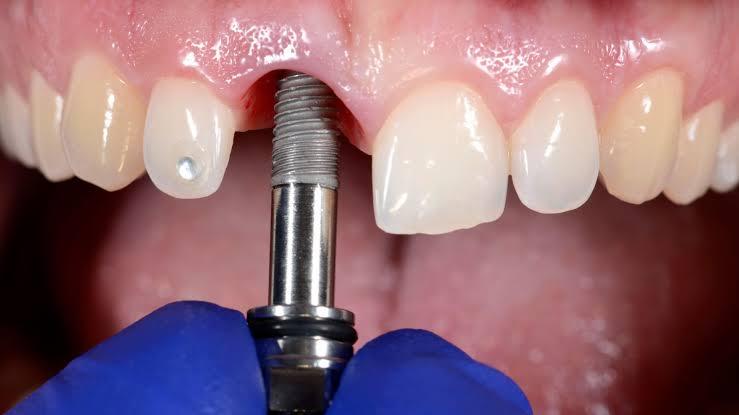
Dental implants are a reliable way to replace missing teeth, restore chewing ability, and improve your smile. However, like natural teeth, implants require consistent care to remain healthy. Poor oral hygiene, smoking, and untreated gum disease can increase the risk of complications after implant placement. Understanding how to prevent Dental Implant Infection in dubai is essential for protecting your oral health and supporting long-term implant success. With proper cleaning habits, professional dental checkups, and attention to early warning signs, you can reduce infection risks and enjoy the benefits of your dental implant for years.
What Causes a Dental Implant Infection?
A dental implant infection can develop when harmful bacteria accumulate around the implant and irritate the surrounding gums. One common condition is peri-implant mucositis, which causes inflammation of the soft tissue around an implant. If left untreated, it may progress to peri-implantitis, a more serious condition that can damage the bone supporting the implant.
Several factors can increase the likelihood of infection, including:
-
Inadequate brushing and flossing.
-
A history of gum disease.
-
Smoking or tobacco use.
-
Poorly controlled diabetes.
-
Food debris and plaque buildup around the implant.
-
Skipping recommended dental appointments.
Recognizing these risk factors allows you to take preventive steps before minor irritation develops into a more serious problem.
7 Effective Ways to Prevent Dental Implant Infection
1. Maintain Excellent Oral Hygiene
Daily oral care is one of the most effective ways to protect your dental implant. Brush your teeth at least twice a day using a soft-bristled toothbrush and fluoride toothpaste. Pay special attention to the gumline around the implant, where plaque can collect.
Clean between your teeth and around the implant with suitable interdental brushes or dental floss recommended by your dentist. Water flossers may also help remove debris from difficult-to-reach areas.
Remember that dental implants cannot develop cavities like natural teeth, but the surrounding gums and bone can still become infected.
2. Follow Your Dentist’s Aftercare Instructions
The first few days and weeks following implant surgery are important for healing. Your dentist may recommend a specific cleaning routine, a temporary soft-food diet, and avoiding activities that could disturb the surgical site.
Avoid touching the implant area with your fingers or repeatedly checking it with your tongue. Do not rinse vigorously immediately after surgery unless your dentist advises otherwise.
Follow all prescribed medication instructions carefully. Never use leftover antibiotics or stop a prescribed course without consulting your dental professional.
3. Attend Regular Dental Checkups
Routine dental visits help identify early signs of inflammation before they cause significant damage. Your dentist can examine the implant, assess the surrounding gum tissue, and check whether the implant remains stable.
Professional cleaning also removes plaque and hardened deposits that may be difficult to eliminate at home. The recommended frequency of visits depends on your oral health, medical history, and individual risk factors.
Regular monitoring is particularly important if you previously experienced gum disease or have several dental implants.
4. Avoid Smoking and Tobacco Products
Smoking can interfere with healing by reducing blood flow to oral tissues. It may also increase the risk of complications following implant surgery and contribute to gum inflammation.
If you smoke, consider quitting before implant placement and remaining tobacco-free during recovery. Your dentist can suggest appropriate support to help you stop smoking and protect your oral health.
5. Choose Foods That Support Healing
Your diet can influence recovery after dental implant surgery. During the initial healing period, choose soft foods such as yogurt, scrambled eggs, mashed vegetables, and lukewarm soups.
Avoid hard, crunchy, sticky, or excessively hot foods that could irritate the surgical site. Gradually return to your normal diet according to your dentist’s advice.
A balanced diet containing adequate protein, vitamins, and minerals supports tissue repair. If you have diabetes, keeping blood glucose levels within your recommended range is also important for healing.
6. Manage Existing Health Conditions
Certain medical conditions can affect healing and increase the risk of implant complications. Diabetes, particularly when poorly controlled, may interfere with the body's ability to fight infection.
Inform your dentist about your medical history, medications, and any changes in your health before and after implant treatment. Follow your healthcare provider's recommendations for managing chronic conditions.
Good coordination between your dentist and medical professional can help create a safer, more effective treatment plan.
7. Recognize Early Warning Signs
Even with careful maintenance, an infection can occasionally develop. Knowing what to look for helps you seek treatment promptly.
Watch for symptoms such as:
-
Persistent redness or swelling around the implant.
-
Bleeding gums or discharge containing pus.
-
Increasing pain or tenderness.
-
A persistent unpleasant taste or bad breath.
-
Gum recession around the implant.
-
Loosening of the implant or its attached restoration.
Contact your dentist promptly if these symptoms appear. Fever, rapidly increasing facial swelling, or difficulty swallowing or breathing requires urgent medical attention, particularly if breathing is affected.
Can Professional Care Help Prevent Implant Complications?
Yes. Professional monitoring allows dentists to identify changes in gum health, remove deposits safely, and recommend improvements to your home-care routine.
If you notice symptoms associated with Dental Implant Infection in dubai, a dental professional can assess the implant and determine whether the problem involves the gums, surrounding bone, or implant restoration. Treatment depends on the severity and may include professional cleaning, improved hygiene measures, or additional procedures when necessary.
Avoid attempting to treat an implant infection with home remedies alone. Prompt professional assessment can help prevent further tissue damage and improve the chances of preserving the implant.
Conclusion
Preventing dental implant infection starts with consistent oral hygiene, healthy lifestyle choices, regular dental visits, and careful attention to changes around the implant. Brushing twice daily, cleaning between teeth, avoiding tobacco, and following postoperative instructions all contribute to better oral health.
Although dental implants are designed for long-term use, their success depends partly on how well you care for the surrounding tissues. By adopting these preventive habits and seeking professional advice whenever warning signs appear, you can protect your investment, maintain healthy gums, and enjoy a confident smile for years to come.

 English
 Arabic
 French
 Spanish
 Portuguese
 Deutsch
 Turkish
 Italiano
 Russian
 Romaian
 Portuguese (Brazil)
 Greek
