


Vermont Consulting Foresters: Understanding Their Role in Land Stewardship
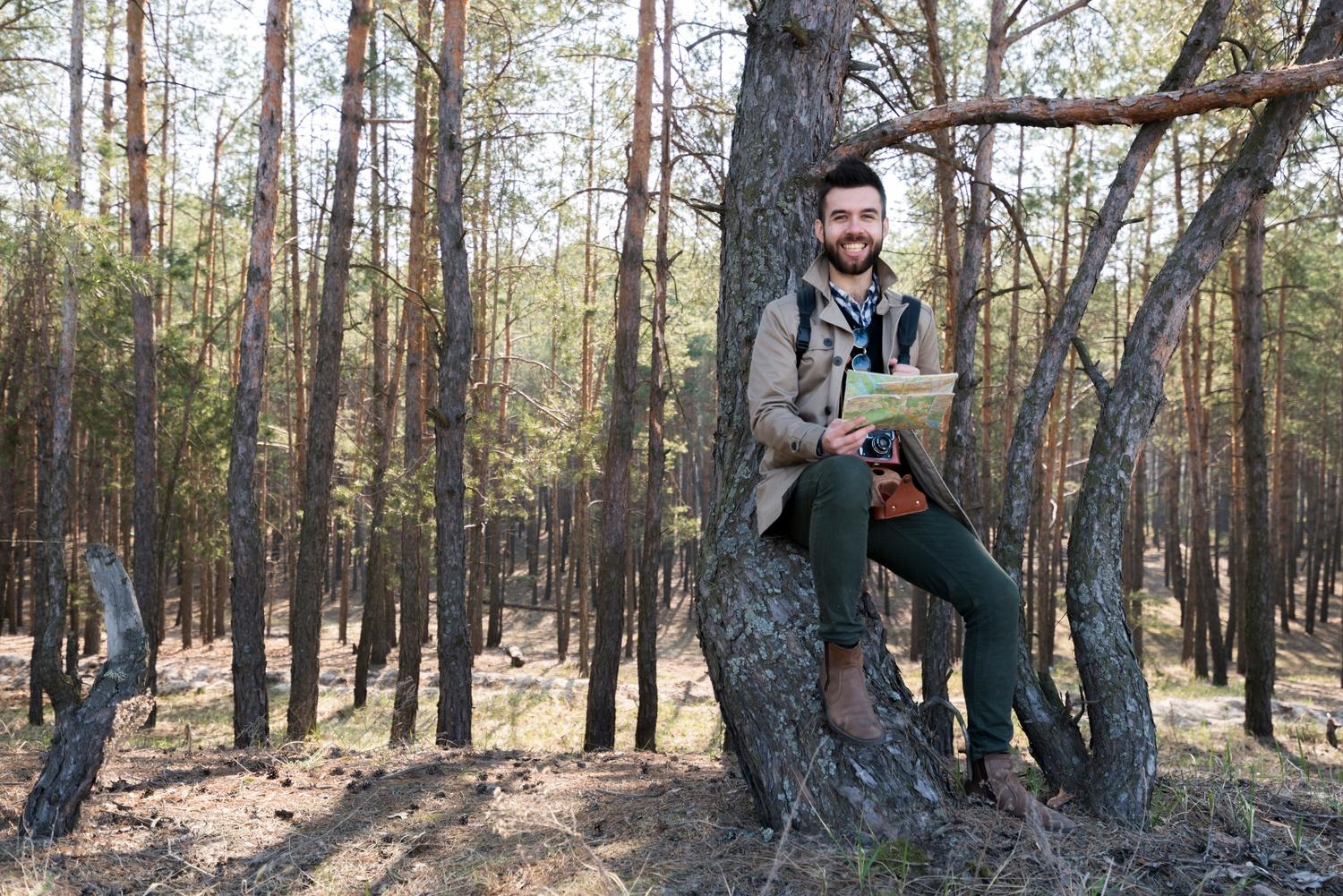
Learn how Vermont consulting foresters help landowners manage timber, wildlife, and conservation efforts to protect the state’s natural heritage effectively.
Vermont is defined by its vast, rolling woodlands, which cover approximately 75% of the state’s landscape. Because a significant portion of this land is privately owned, the health of the state’s ecosystem depends heavily on the decisions made by individual landowners. To navigate the complexities of woodland management, many residents rely on the expertise of Vermont consulting foresters. These independent professionals provide technical guidance to ensure that forests remain productive, healthy, and ecologically sound.
Strategic Forest Management Plans
One of the primary responsibilities of Vermont consulting foresters is the development of long-term forest management plans. These plans are often a prerequisite for enrollment in the state’s Use Value Appraisal (UVA) program, also known as "Current Use." By conducting a thorough inventory of tree species, age classes, and soil types, a forester can create a roadmap that aligns with the landowner’s specific goals. Whether the objective is to maximize timber value, enhance privacy, or support carbon sequestration, these professionals provide the scientific data necessary to make informed choices.
Oversight of Timber Sales and Harvests
When a landowner decides to conduct a timber harvest, the role of a consulting forester becomes even more critical. Unlike foresters who work directly for sawmills or logging companies, consulting foresters act as independent advocates for the landowner. They handle the marking of trees to be harvested, ensuring that the most vigorous trees are left to grow while lower-quality specimens are removed. Additionally, they oversee the bidding process to ensure the landowner receives fair market value and supervise the logging crew to protect soil integrity and water quality during the operation.
Enhancing Wildlife Habitat and Ecological Health
Beyond the economic benefits of timber, Vermont consulting foresters focus on the broader ecological health of the forest. They identify sensitive areas, such as wetlands and vernal pools, and implement strategies to control invasive species that threaten native flora. For those interested in biodiversity, foresters can design interventions that create "early successional" habitats for songbirds or maintain "mast" trees that provide essential food for deer and bears.
By bridging the gap between ecology and economy, Vermont consulting foresters ensure that the state’s forests continue to provide clean air, clean water, and sustainable resources for generations to come. Their presence is a cornerstone of responsible land ownership in the Green Mountain State.

 Arabic
 French
 Spanish
 Portuguese
 Deutsch
 Turkish
 Dutch
 Italiano
 Russian
 Romaian
 Portuguese (Brazil)
 Greek
