


Second Hand Cars Buying Guide in Pakistan: Complete Checklist
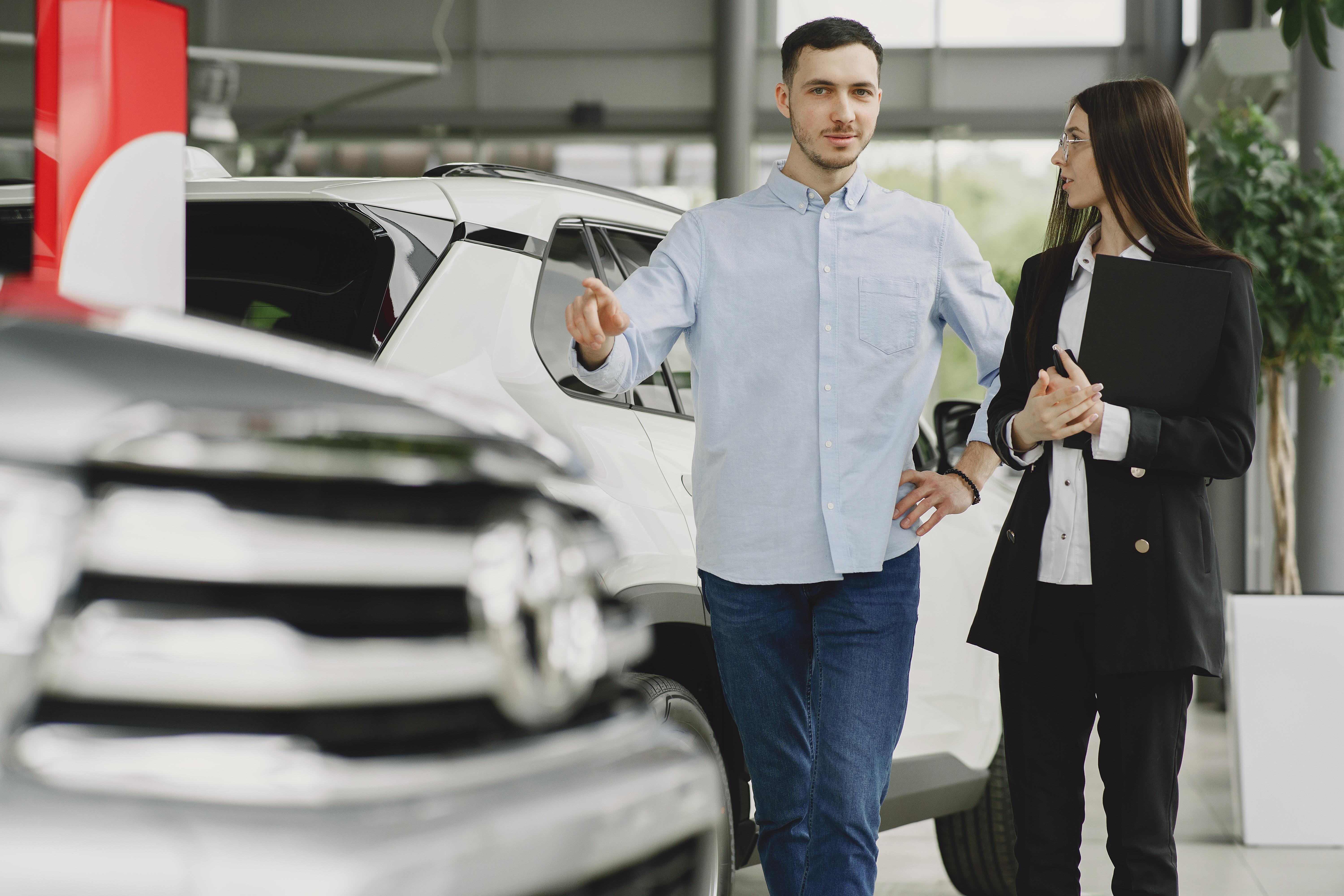
Buying a second-hand car in Pakistan can help you save money while finding a vehicle that meets your daily needs. However, choosing the wrong car can lead to expensive repairs, legal problems, and unexpected expenses. Before making a purchase, you should check the vehicle's condition, compare market prices, and verify its documents. This second hand cars buying guide explains how to choose a reliable car, inspect important components, negotiate a fair price, and complete the buying process safely.
Why Should You Buy a Second-Hand Car?
Many people prefer used cars because they offer more choices within a limited budget. Depending on the vehicle's condition and model year, buyers may find a suitable hatchback, sedan, or SUV at a price that meets their needs. A used car can also be a practical option for families, office workers, students, and people who need reliable daily transport.
However, the car's condition matters more than its appearance alone. A vehicle with poor maintenance may require expensive repairs even if it looks attractive. Before making a decision, consider its service history, fuel economy, spare parts availability, maintenance costs, and resale value.
Set Your Budget Before Buying a Used Car
Start by deciding how much you can comfortably spend on the purchase. Do not use your entire budget to pay the seller because you may also need money for ownership transfer, insurance, routine maintenance, and unexpected repairs. Consider the total cost of ownership rather than focusing only on the advertised price.
Compare the prices of similar vehicles with the same model year, variant, mileage, and general condition. You can explore Buy Cars in Pakistan listings on Sello.pk to compare available vehicles and shortlist suitable options. Remember that asking prices may differ from final selling prices, so research the market before making an offer.
Choose the Right Car for Your Needs
The best used car depends on your lifestyle, driving habits, and budget. Hatchbacks are often suitable for city driving because they are compact and easy to park. Sedans offer comfortable seating and luggage space, making them a practical option for families. SUVs may provide greater ground clearance and additional space for passengers or luggage, depending on the model.
You should also compare fuel economy, engine capacity, maintenance requirements, and spare parts availability. Petrol cars may suit many everyday driving needs, while hybrid vehicles can offer better fuel efficiency in suitable driving conditions. However, hybrid battery condition and replacement costs deserve careful attention. Choose a vehicle that you can maintain comfortably over the long term.
Inspect the Car Before Buying
A physical inspection helps you identify possible problems before spending your money. Never rely entirely on photographs, advertisements, or the seller's claims. Arrange a suitable time to inspect the car in daylight and, if possible, ask an experienced mechanic to examine it independently.
Check the Exterior and Body Condition
Inspect the doors, bonnet, boot, roof, and other body panels for dents, rust, uneven paint, and signs of previous repairs. Differences in paint colour or panel alignment may indicate accident repairs, although they do not automatically prove serious structural damage. Also, check the windscreen, windows, lights, and mirrors for cracks or damage.
Look underneath the vehicle for visible leaks, corrosion, or damaged components. If you notice signs of structural repairs, ask a qualified mechanic to assess the damage before continuing with the purchase.
Check the Engine and Transmission
Start the engine when it is cold, if possible, and listen for unusual knocking sounds or rough idling. Look for visible oil and coolant leaks, check the dashboard warning lights, and observe whether the engine starts smoothly. Excessive exhaust smoke, overheating, or unusual vibrations may indicate problems that require professional investigation.
During a test drive, check the transmission, clutch, steering, suspension, and brakes. The car should accelerate smoothly, change gears properly, and stop without unusual noises or pulling to one side. A professional inspection can help identify mechanical faults that may not appear during a short drive.
Check Mileage, Tyres, and Interior Features
Compare the odometer reading with service records and the vehicle's general condition. Worn pedals, seats, or steering controls may raise questions about the stated mileage, but they cannot confirm odometer tampering on their own.
Inspect the tyres, battery, air conditioning, power windows, headlights, and other electrical features. Test important functions before negotiating the price. If the car needs immediate repairs, ask a mechanic to estimate the likely costs so you can make an informed decision.
Verify Documents and Legal Ownership
Document verification is just as important as mechanical inspection. Before making payment, confirm that the seller has the legal right to sell the vehicle and that its registration details match the available records.
Check the original registration documents or applicable registration record, and match the engine and chassis numbers with the vehicle. Use the relevant provincial Excise and Taxation authority to verify registration details where online verification is available. You should also check token tax, outstanding dues, financing restrictions, and any other issues that could affect ownership transfer.
If you are considering an imported vehicle, verify the relevant import and customs documents. Registration and transfer requirements can vary by province, so confirm the current procedure with the appropriate authority. Keep copies of the sale agreement, payment receipt, and transfer documents, and confirm that the official ownership transfer has been completed.
Avoid Common Used-Car Buying Scams
Be cautious if a seller offers a car at a price far below comparable market listings or pressures you to pay immediately. Never send an advance payment without verifying the seller and the vehicle. Arrange an independent inspection and avoid relying only on online photographs or verbal promises.
You should also be careful about fake documents, altered mileage, hidden accident damage, and incomplete ownership records. If the seller refuses to provide essential documents, prevents an independent inspection, or gives inconsistent information, consider walking away. Finding another used car in pakistan is better than accepting a deal that carries serious financial or legal risks.
Negotiate a Fair Price
Once the inspection is complete, compare the vehicle's condition with similar cars on the market. Use verified issues such as worn tyres, damaged components, missing service records, or necessary repairs as reasonable points for negotiation. Ask the seller about previous ownership, maintenance history, and major repairs.
Avoid making an offer based only on assumptions. If a mechanic identifies a serious issue, request an estimate of the repair cost before deciding whether the car is worth buying. Be prepared to walk away if the seller refuses a reasonable offer or the vehicle has problems that exceed your budget.
Complete Payment and Ownership Transfer Safely
Before paying, agree on the final price, payment method, and transfer arrangements. Use a traceable payment method where possible, prepare a written sale agreement, and retain proof of payment. Verify the seller's identity and essential documents before completing the transaction.
Follow the official ownership transfer procedure for the relevant province. Confirm the required documents, fees, biometric verification requirements, and applicable taxes. After purchasing the car, review its insurance arrangements and arrange any necessary maintenance based on its condition and service history.
What to Do After Buying a Used Car
After the purchase, keep all registration, payment, insurance, and transfer records in a safe place. Arrange a maintenance inspection and check the engine oil, coolant, brakes, tyres, battery, filters, and other important components. Replace fluids or parts when necessary rather than assuming that every component requires immediate replacement.
Maintain a record of future repairs and servicing. Regular maintenance can help improve reliability, control running costs, and support the car's resale value. If you plan to upgrade your vehicle in the future, keeping accurate service records may also help build buyer confidence.
Frequently Asked Questions
1. What should I check before buying a second-hand car in Pakistan?
Inspect the engine, transmission, body, tyres, brakes, mileage, and electrical features. Verify the vehicle's documents and legal ownership, and arrange an independent mechanical inspection before making payment.
2. How can I check the market price of a used car?
Compare vehicles with the same model, variant, manufacturing year, mileage, and condition. Consider maintenance history, accident damage, and local demand when deciding whether the asking price is reasonable.
3. Is it better to buy from a dealer or a private seller?
Both options can work well. Dealers may offer several vehicles to compare, while private sellers may provide useful information about ownership and maintenance history. Always verify documents and arrange an independent inspection.
4. How can I identify an accident-damaged car?
Look for uneven paint, inconsistent panel gaps, damaged structural areas, and signs of repairs. A qualified mechanic or vehicle inspection specialist can help identify hidden damage that may not be visible during a basic inspection.
5. What is the safest way to pay for a used car?
Verify the seller and documents, agree on written payment terms, and use a traceable payment method where possible. Coordinate payment with the official transfer process and retain all transaction records.
Conclusion
Buying a second-hand car requires careful research, a realistic budget, and proper verification. Compare prices, inspect the vehicle, check legal ownership, and avoid rushing into payment. By following these steps, you can reduce common risks and choose a car that suits your needs. Explore Buy Cars in Pakistan listings on Sello.pk to compare available vehicles and make a more informed buying decision.

 English
 Arabic
 French
 Portuguese
 Deutsch
 Turkish
 Dutch
 Italiano
 Russian
 Romaian
 Portuguese (Brazil)
 Greek
