


Venous Ulcer Treatment: Can Hyperbaric Oxygen Therapy Help Chronic Wounds Heal?
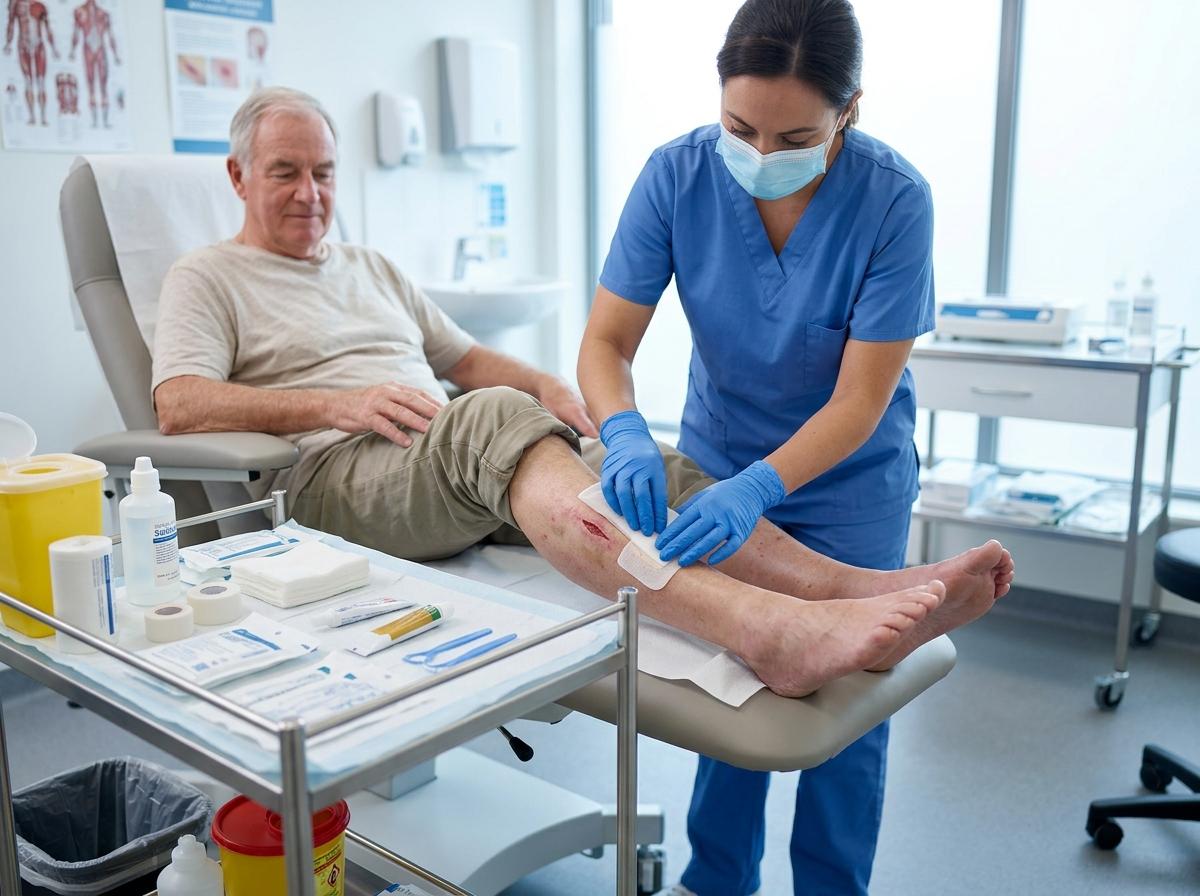
When a leg ulcer continues to resist treatment, patients may begin exploring advanced therapies that could support recovery. Hyperbaric oxygen therapy is one option that attracts attention because it increases the amount of oxygen dissolved in the blood. However, understanding its benefits and limitations is essential before considering it for a chronic wound. Effective venous ulcer treatment begins with identifying the cause of the ulcer and selecting therapies supported by appropriate medical evaluation.
Understanding Chronic Venous Leg Ulcers
Venous ulcers are open wounds that commonly develop around the lower leg or ankle when blood does not flow efficiently back toward the heart. Damaged vein valves can cause blood to pool in the legs, increasing pressure and contributing to swelling, inflammation, and skin breakdown.
These wounds may produce fluid, cause discomfort, and take weeks or months to heal. Without appropriate management of the underlying venous problem, an ulcer may remain open or return after healing.
Recognizing the cause is essential because venous ulcers require a different approach from wounds caused primarily by inadequate arterial blood supply, pressure, or diabetes-related complications.
What Is Hyperbaric Oxygen Therapy?
Hyperbaric oxygen therapy involves breathing concentrated oxygen inside a specially designed pressurized chamber. The increased pressure allows more oxygen to dissolve into the blood plasma, helping deliver oxygen to tissues throughout the body.
Oxygen is necessary for several processes involved in wound repair, including collagen production, immune function, and the formation of new blood vessels. These functions explain why hyperbaric oxygen therapy is being investigated for certain difficult-to-heal wounds.
Nevertheless, additional oxygen alone cannot correct every cause of delayed healing. For patients considering venous ulcer treatment, the underlying circulation problem and the effectiveness of standard wound care must remain central to clinical decisions.
Can Hyperbaric Oxygen Therapy Help Venous Ulcers?
The potential role of hyperbaric oxygen therapy depends on the type of wound, its underlying cause, and the patient's overall health. Although oxygen supports tissue repair, evidence for the routine use of this therapy specifically for venous leg ulcers remains limited.
Venous ulcers primarily result from increased pressure in the veins rather than simply a lack of oxygen throughout the body. Therefore, increasing oxygen availability does not replace the need to control swelling and manage abnormal venous blood flow.
A healthcare professional may review the available evidence and determine whether an additional therapy is reasonable in an individual situation. Patients should be cautious about claims promising guaranteed healing or suggesting that advanced treatments work equally well for every ulcer.
Standard Treatments That Remain Essential
Before considering additional therapies, patients generally need a comprehensive wound management plan. The appropriate approach depends on circulation, wound characteristics, medical history, and the presence of complications.
Compression Therapy
Compression bandages or stockings help improve venous return and reduce swelling in many patients with venous ulcers. Before compression begins, a healthcare professional should assess arterial circulation to ensure the treatment is safe.
Patients should follow professional instructions about the level of compression, application, and ongoing use. New numbness, severe discomfort, cold toes, or unusual skin color changes require prompt attention.
Professional Wound Care
Appropriate wound care may include cleaning the ulcer, applying suitable dressings, and removing unhealthy tissue when medically indicated. Dressings are selected according to drainage, skin condition, and the needs of the wound.
Regular assessment helps determine whether the wound is improving and whether changes to the care plan are necessary. Patients should avoid aggressive cleaning or applying unapproved substances to the affected area.
Management of Venous Insufficiency
Some ulcers persist because the underlying vein problem has not been adequately addressed. A vascular specialist may recommend investigations, such as a venous duplex ultrasound, to assess blood flow and identify abnormal vein function.
Selected patients may benefit from procedures that treat venous reflux. Addressing the underlying condition can support healing and reduce the risk of recurrence.
These approaches form the foundation of effective venous ulcer treatment, while additional therapies should be considered in the context of an individualized plan.
Who May Need Further Wound Evaluation?
Patients with ulcers that are worsening, repeatedly reopening, or failing to improve should have their treatment reviewed. A clinician may investigate several possible reasons for delayed recovery.
These include persistent swelling, infection, inadequate compression, poor arterial circulation, nutritional deficiencies, or an incorrect initial diagnosis. Diabetes and other chronic conditions can also complicate healing.
A thorough assessment helps identify the factors that need attention before another treatment is introduced. Patients should also discuss their medications, medical history, and previous wound treatments with their healthcare team.
What to Consider Before Starting Hyperbaric Oxygen Therapy
Anyone considering hyperbaric oxygen therapy should understand that it requires specialist assessment and is not appropriate for everyone. The clinician should explain the proposed treatment goals, evidence for the specific wound condition, potential risks, and available alternatives.
Possible adverse effects include ear or sinus pressure injuries, temporary vision changes, and, rarely, oxygen-related seizures. Certain medical conditions, particularly an untreated pneumothorax, can make treatment unsafe.
Patients should ask whether the therapy is supported for their particular diagnosis and whether standard wound management has been optimized. They should also understand the expected treatment schedule and how progress will be measured.
An informed decision about venous ulcer treatment should consider realistic benefits, limitations, safety, and the patient's individual circumstances.
Daily Practices That Support Wound Recovery
Medical treatment can be complemented by habits that help manage swelling and protect vulnerable skin.
-
Elevate the legs: Raising the legs while resting may help reduce swelling when recommended by a clinician.
-
Keep moving safely: Walking and ankle exercises may support venous circulation when appropriate.
-
Follow wound care instructions: Use prescribed dressings and attend scheduled appointments.
-
Protect surrounding skin: Avoid scratching, friction, and injuries around the ulcer.
-
Maintain balanced nutrition: Adequate protein, vitamins, minerals, and fluids support normal tissue repair.
-
Follow compression guidance: Wear prescribed compression garments as directed after circulation has been assessed.
These measures do not replace clinical care, but they can contribute to a more consistent recovery plan.
Conclusion
Hyperbaric oxygen therapy offers a specialized way to increase oxygen availability, but its role in treating venous leg ulcers remains uncertain. Standard venous ulcer treatment focuses on appropriate wound care, medically supervised compression, and management of underlying venous insufficiency. Patients with persistent wounds should receive a thorough evaluation before adding advanced therapies. Discussing the evidence, possible risks, and alternative approaches with a qualified healthcare professional can help patients make informed decisions and pursue a treatment plan suited to their needs.
Frequently Asked Questions
1. Does hyperbaric oxygen therapy guarantee faster healing of venous ulcers?
No. Healing depends on the wound's cause, circulation, and overall health. Evidence supporting routine hyperbaric oxygen therapy for venous ulcers is limited, so results cannot be guaranteed.
2. Can hyperbaric oxygen therapy replace compression bandages?
No. Compression remains a central treatment for many venous ulcers when arterial circulation is adequate. Hyperbaric oxygen therapy does not correct the underlying venous pressure problem.
3. How do doctors determine whether an ulcer is venous?
Clinicians assess the wound's location and appearance, examine the leg, and evaluate circulation. Ankle-brachial testing or vascular ultrasound may be recommended when needed.
4. What should I ask before choosing an advanced wound therapy?
Ask about evidence for your specific condition, expected benefits, potential risks, alternative treatments, costs, and how the healthcare team will monitor your progress.

 English
 Arabic
 French
 Spanish
 Deutsch
 Turkish
 Dutch
 Italiano
 Russian
 Romaian
 Portuguese (Brazil)
 Greek
