


Can Compression Therapy Improve Comfort for People With Lipedema?
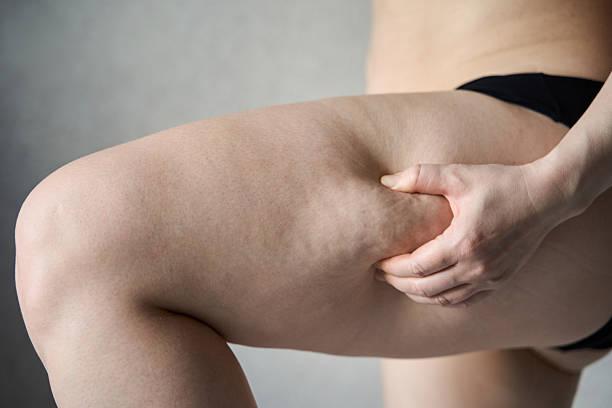
Lipedema is a chronic condition characterized by an abnormal accumulation of fatty tissue, most commonly affecting the hips, thighs, and legs, and sometimes the arms. People living with this condition may experience tenderness, heaviness, easy bruising, and discomfort during daily activities. Compression therapy is one conservative approach that may help some individuals manage these symptoms, particularly when swelling or another fluid-related condition is also present. Understanding Treatment for Lipedema in Riyadh (علاج الوذمة الشحمية في الرياض) can help patients explore appropriate supportive therapies and learn how compression garments may fit into an individualized care plan. Although compression does not remove lipedema-related fat or cure the condition, the right garment may improve comfort and make certain activities easier for some people.
What Is Compression Therapy?
Compression therapy involves using specially designed garments or other medical devices to apply controlled pressure to specific areas of the body. For people with lipedema, compression garments may cover the legs, thighs, hips, or arms, depending on the areas affected and the individual's needs.
These garments are designed to provide support and may help manage sensations of heaviness or discomfort. They can also play a role in managing fluid-related swelling when clinically indicated. However, lipedema primarily involves fatty tissue, so compression should not be viewed as a method for dissolving fat or changing the underlying condition.
The suitability of compression therapy varies. A healthcare professional can evaluate symptoms, circulation, skin health, and any coexisting medical conditions before recommending a garment.
How Compression Therapy May Improve Comfort
Compression garments may provide several potential benefits, although the results differ from person to person.
Supporting a Feeling of Heaviness
Some individuals with lipedema describe their legs as feeling heavy or uncomfortable, especially after prolonged standing or walking. A properly fitted garment may provide external support and help some people feel more comfortable during daily activities.
The level of benefit depends on the individual's symptoms, garment design, and fit. Compression is not guaranteed to relieve heaviness, and persistent symptoms should be discussed with a healthcare professional.
Helping Manage Associated Swelling
Not everyone with lipedema experiences swelling. However, some individuals may have additional fluid accumulation or develop lymphedema, a condition involving impaired lymphatic drainage.
When swelling is present and compression is medically appropriate, garments may help manage fluid accumulation as part of a broader care plan. A clinician should assess the cause of swelling rather than assume it is caused by lipedema alone.
Supporting Everyday Movement
For some people, compression garments may make walking, standing, or completing routine tasks feel more manageable. When used alongside suitable physical activity, they may form part of a plan focused on maintaining mobility and independence.
Compression should never cause significant pain, numbness, tingling, skin discoloration, or a feeling of excessive tightness. These symptoms may indicate that the garment is unsuitable or requires adjustment.
Choosing the Right Compression Garment
Selecting an appropriate garment is essential for comfort and safety. Compression products vary in their pressure level, material, length, construction, and intended use. A garment that works well for one person may not suit another.
Professional Assessment and Accurate Fitting
A healthcare professional can help determine whether compression is appropriate and recommend a suitable type. Depending on the individual's needs, options may include knee-high garments, thigh-high garments, leggings, or custom-fitted products.
Accurate measurements are important because an unsuitable garment may bunch, roll, rub against the skin, or place excessive pressure on certain areas. People with unusual limb shapes or significant sensitivity may need specialized fitting advice.
Comfort and Daily Wear
The garment should fit securely without restricting normal movement or causing discomfort. Breathable materials and an appropriate design may make regular use easier, particularly in warm weather.
Patients should follow professional instructions regarding how long to wear the garment, when to remove it, and how to care for their skin. There is no universal wearing schedule that suits everyone.
Is Compression Therapy Suitable for Everyone?
Compression therapy is not appropriate for every person with lipedema. Certain circulation problems, including significant peripheral arterial disease, may make compression unsafe without specialist assessment. Some heart conditions, skin problems, or sensory difficulties may also require additional precautions.
People with diabetes, reduced sensation, fragile skin, or a history of vascular problems should seek medical advice before using medical-grade compression garments. New pain, numbness, skin changes, or worsening swelling should prompt a review of the treatment.
For those exploring Treatment for Lipedema in Riyadh, a professional consultation can help establish whether compression therapy is suitable and whether additional assessment is needed before starting.
Combining Compression With Other Conservative Treatments
Compression is often most useful when it is part of an individualized management plan rather than the only strategy. Depending on the person's symptoms and overall health, other approaches may include:
-
Low-impact exercise: Walking, swimming, and stationary cycling can support general fitness and mobility.
-
Physiotherapy: A physiotherapist may recommend exercises and movement strategies tailored to pain levels and physical ability.
-
Skin care: Gentle cleansing and moisturizing can help maintain skin comfort, particularly under garments.
-
Lymphatic care: Specialized lymphatic treatment may be considered when clinically indicated, especially if lymphedema is also present.
-
Symptom monitoring: Recording changes in tenderness, swelling, and mobility can help guide follow-up care.
Balanced nutrition and adequate rest can also support general health. However, no conservative measure has been established as a universal cure for lipedema, and compression does not selectively remove affected fatty tissue.
How to Evaluate Whether Compression Is Helping
People who begin compression therapy can monitor how they feel during routine activities. Useful observations may include whether the legs feel more comfortable, whether standing or walking becomes easier, and whether a garment causes irritation or pressure.
Keeping brief notes over time may help identify patterns and provide useful information during follow-up appointments. If the garment does not improve comfort, is difficult to tolerate, or causes new symptoms, the fit and treatment plan should be reassessed.
Compression should not be used to ignore unexplained changes. Sudden swelling, redness, warmth, or severe pain—particularly in one leg—requires urgent medical evaluation. Chest pain or sudden shortness of breath requires emergency care.
Conclusion
Compression therapy may improve comfort for some people with lipedema by providing support and helping manage heaviness or associated swelling when present. Its effectiveness depends on appropriate selection, accurate fitting, individual symptoms, and any other medical conditions. Because compression does not remove lipedema fat or cure the condition, it is best considered one possible component of a broader management plan. For personalized guidance about Treatment for Lipedema in Riyadh, contact Royal Clinic Saudia (عيادات رويال كلينك) to arrange a consultation and discuss suitable options for your symptoms and daily comfort.

 English
 Arabic
 French
 Spanish
 Portuguese
 Deutsch
 Turkish
 Dutch
 Italiano
 Russian
 Portuguese (Brazil)
 Greek
