


Moving to Edmonton: Best Areas to Live Based on Lifestyle and Budget
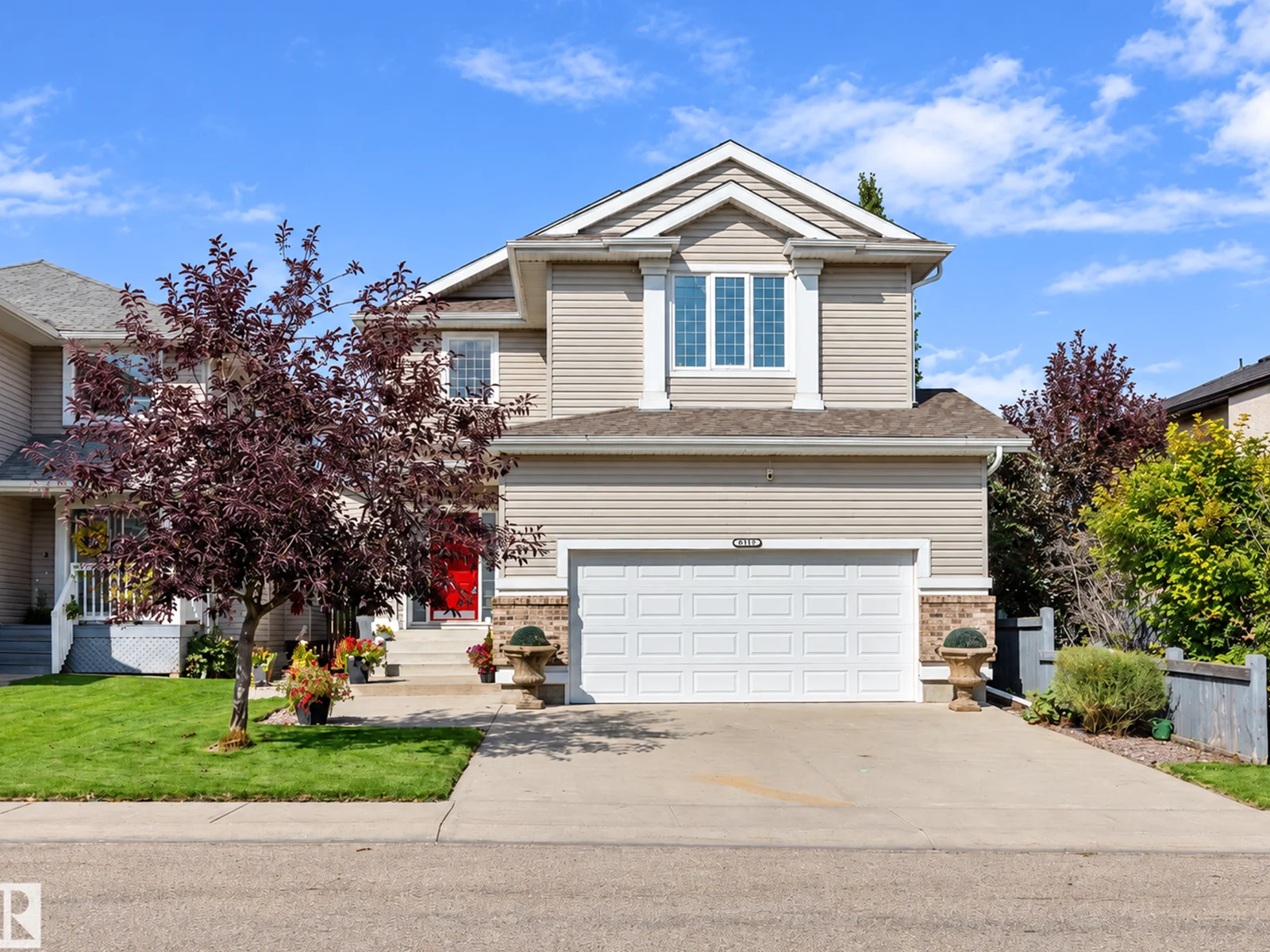
Introduction
Moving to Edmonton can be an exciting opportunity for individuals, families, professionals, and investors looking for a new place to call home. Alberta’s capital offers a range of neighbourhoods, from vibrant urban communities and established residential areas to newer developments with modern homes and family-friendly amenities. Choosing the right location depends on several factors, including your budget, lifestyle, commute, housing preferences, and long-term plans.
For people relocating to the city, understanding the differences between neighbourhoods can make the home-buying process easier. Whether you prefer a lively downtown environment, a peaceful suburban setting, or a community close to schools and shopping centres, Edmonton has options to consider. Working with knowledgeable real estate professionals, including Nutan Thakur of Selling Alberta, can help you understand local property options and make informed decisions.
Although the primary focus of commercial realtors Edmonton is often business properties, commercial real estate knowledge can also be useful when evaluating areas with growing employment opportunities, retail developments, and business activity. Understanding these local factors can help newcomers choose a location that suits their personal and professional goals.
1. Downtown Edmonton: Best for Urban Living
Downtown may appeal to people who prefer shorter commutes to central workplaces or want convenient access to city activities. Condominiums can provide an alternative to maintaining a detached house, although monthly condominium fees should be included in the overall housing budget.
Best suited for: Young professionals, students, couples, and people who prefer city living.
Budget considerations: Compare purchase prices, condominium fees, parking costs, and transportation expenses before deciding. The value of individual properties can vary significantly depending on building condition, amenities, and location.
2. Windermere: Best for Upscale Suburban Living
The surrounding area offers shopping, restaurants, recreational facilities, and access to other parts of southwest Edmonton. Buyers considering Windermere should assess their daily commuting routes and the distance to their workplaces, schools, and other regular destinations.
Best suited for: Families, professionals, and buyers seeking modern suburban homes.
Budget considerations: Compare detached homes, duplexes, and townhouses to identify a property that meets your needs. Consider utility expenses, maintenance, property taxes, and vehicle costs alongside the purchase price.
3. Terwillegar: Best for Families and Everyday Convenience
Families may appreciate the opportunity to find homes with additional bedrooms, outdoor space, or room for a home office. Recreational facilities and green spaces can also support an active lifestyle. However, buyers should check the location of specific schools, available programs, and transportation arrangements rather than assuming that every property offers the same access.
Best suited for: Families, first-time move-up buyers, and people seeking a suburban community.
Budget considerations: Compare older and newer homes, as well as different property types. A house with a lower asking price may require renovations, so arrange an inspection and estimate potential repair costs before making an offer.
4. Mill Woods: Best for Budget-Conscious Families
Mill Woods is an established residential area in southeast Edmonton that deserves attention from newcomers seeking practical housing options and convenient community facilities. The area includes detached houses, townhouses, apartments, schools, parks, shopping centres, and recreational amenities.
Its established neighbourhoods can appeal to families, first-time buyers, and people who prefer a community with existing infrastructure rather than a newly developing suburb. Mill Woods also offers access to public transportation, including the Valley Line Southeast LRT, which connects the area with other parts of Edmonton.
Best suited for: First-time homebuyers, families, and budget-conscious newcomers.
Budget considerations: Explore different neighbourhoods within Mill Woods and compare property condition, maintenance requirements, transportation access, and ongoing expenses. An older property may offer value, but its inspection results and future repair needs should influence your decision.
5. Clareview: Best for Value and Public Transportation
The Clareview LRT station offers a public transportation connection for people travelling towards central Edmonton and other destinations along the Capital Line. Nearby shopping facilities, recreational amenities, and residential developments add to the area's practical appeal.
People relocating to Edmonton without a vehicle may want to compare properties within walking distance of transit stops and essential services. However, actual travel times depend on the destination, service frequency, and transfer requirements.
Best suited for: First-time buyers, commuters, students, and people seeking varied housing options.
Budget considerations: Compare condominium fees, parking availability, building maintenance, and transit access. Calculate the complete monthly cost rather than selecting a property based only on its advertised price.
6. Strathcona and Old Strathcona: Best for Culture and Walkability
Housing options include apartments, condominiums, character houses, and newer infill properties. Residents can enjoy a more walkable lifestyle in suitable locations, potentially reducing dependence on a car for daily errands.
Buyers should consider the differences between individual streets and buildings. Older homes may have distinctive character, but renovations, insulation, plumbing, electrical systems, and ongoing maintenance can affect affordability.
Best suited for: Students, professionals, couples, and people who value culture and walkability.
Budget considerations: Compare older homes with condominiums and newer properties. Include renovation costs, parking arrangements, and monthly fees when calculating affordability.
7. Summerside: Best for a Community-Oriented Lifestyle
Summerside, in southeast Edmonton, is known for its residential setting and community lake amenities. It may suit buyers who want a suburban lifestyle with recreational opportunities and a neighbourhood atmosphere.
The area features a variety of homes, including detached houses and townhouses. Its location can appeal to families and professionals who want residential surroundings while maintaining access to shopping and major roads.
Before purchasing, confirm whether a particular property has access to community amenities and whether membership or association fees apply. These details can differ depending on the property and community arrangements.
Best suited for: Families, recreationally active residents, and buyers seeking suburban living.
Budget considerations: Review homeowners' association or community fees, property taxes, insurance, and commuting costs. A larger home can offer more space but may also require a greater budget for utilities and upkeep.
How to Choose the Right Edmonton Neighbourhood for Your Budget
Selecting a neighbourhood involves more than comparing listing prices. Your daily routine, household needs, employment location, and long-term plans all influence whether a property will be a suitable choice.
Here are five practical considerations to help narrow your options.
1. Establish Your Total Housing Budget
Determine how much you can comfortably spend on a down payment, mortgage payments, property taxes, insurance, utilities, and maintenance. If you are purchasing a condominium, include monthly condominium fees and review the building's financial health.
First-time buyers should also account for closing costs, moving expenses, and an emergency fund for unexpected repairs.
2. Consider Your Commute
Map the route between potential homes and your workplace, school, or other regular destinations. If you rely on public transportation, check walking distances to bus stops and LRT stations, service frequency, and travel times during peak hours.
A property with a lower purchase price may not provide the best overall value if it significantly increases commuting expenses.
3. Research Schools and Community Facilities
Families should investigate nearby schools, childcare facilities, medical services, parks, and recreational centres. The City of Edmonton's official neighbourhood profiles provide a useful starting point for researching communities and their characteristics.
Visit shortlisted areas at different times of day to understand traffic, noise, parking, and general convenience.
4. Compare Property Types
Edmonton offers apartments, condominiums, townhouses, duplexes, detached homes, and newer construction. Each option comes with different responsibilities and expenses.
For example, a condominium may reduce exterior maintenance responsibilities, while a detached home generally offers more control over the property but requires the owner to plan for repairs and upkeep.
Choose the property type that fits your current needs without putting unnecessary pressure on your finances.
5. Look Beyond the Asking Price
Consider the property's condition, potential repairs, resale appeal, nearby amenities, and any planned changes in the surrounding area. Compare recent sales of similar properties rather than relying exclusively on advertised prices.
If you are also evaluating business premises or investment opportunities, employment centres, retail activity, transportation access, and development patterns may be relevant. Commercial property decisions require separate analysis of zoning, permitted uses, lease terms, operating costs, and investment risks.
How Nutan Thakur of Selling Alberta Can Help
Moving to a new city can involve many decisions, especially when you are unfamiliar with local neighbourhoods and property markets. Nutan Thakur of Selling Alberta can be a starting point for exploring real estate information and planning your move to Edmonton.
Whether you are comparing residential areas, preparing to purchase your first home, or considering a property sale, a structured approach can help you identify suitable options. Discuss your preferred location, budget, property type, commute, and future plans before narrowing your search.
For business owners and investors, researching commercial realtors Edmonton may also be relevant when evaluating office space, retail premises, industrial properties, or commercial investment opportunities. Residential and commercial real estate have different requirements, so confirm that the professional you engage has experience appropriate to your transaction.
You can visit Selling Alberta to learn more about Nutan Thakur and available real estate resources.
Conclusion
Edmonton offers neighbourhoods for different budgets and lifestyles, from the urban convenience of downtown and the cultural character of Strathcona to the family-oriented settings of Terwillegar, Windermere, Mill Woods, and Summerside. Clareview can also be worth exploring for buyers who prioritise varied housing options and public transportation.
The best location depends on how you want to live, what you can comfortably afford, and where you need to travel regularly. Compare complete housing costs, research individual streets, inspect properties carefully, and consider both current needs and future plans.
With thoughtful research and guidance from Nutan Thakur of Selling Alberta, newcomers can approach their Edmonton property search with greater clarity and make a more informed decision about where to live.
Frequently Asked Questions
Which Edmonton neighbourhoods are worth considering for first-time homebuyers?
Mill Woods and Clareview are worth researching for their range of housing types. Downtown may suit buyers interested in condominium living, while other areas may offer options depending on the property's price, condition, and location.
Which Edmonton areas are suitable for families?
Terwillegar, Windermere, Mill Woods, and Summerside are among the areas families may wish to compare. Consider school access, parks, recreation, commuting requirements, and the cost of the specific property.
How can I choose an affordable neighbourhood in Edmonton?
Set a realistic total housing budget, compare different property types, research recent comparable sales, and calculate ongoing costs such as taxes, utilities, transportation, and maintenance.
When should I contact commercial realtors in Edmonton?
Consider consulting commercial real estate professionals when evaluating business premises, retail or office space, industrial properties, leasing opportunities, or commercial investments. Choose a professional whose experience matches your specific requirements.

 English
 Arabic
 French
 Spanish
 Portuguese
 Deutsch
 Turkish
 Dutch
 Italiano
 Russian
 Romaian
 Greek
