


How to Choose Durable Exterior Wood Coatings for Long-Lasting Protection
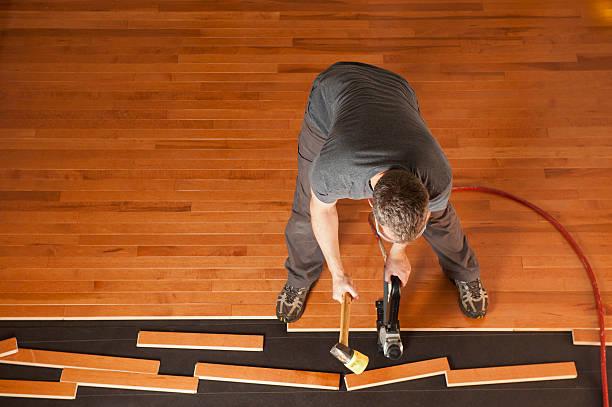
Wood adds natural beauty and character to buildings, siding, doors, windows, and other architectural features. However, outdoor wood surfaces face constant exposure to sunlight, rain, humidity, and changing temperatures. Choosing the right coating system can help manufacturers and builders maintain the appearance and performance of wood products over time.
For businesses researching exterior wood coatings Virginia, understanding coating performance, surface preparation, and environmental conditions is an important step toward selecting an appropriate finishing solution.
Why Exterior Wood Needs Protective Coatings
Outdoor wood can absorb moisture, experience color changes, and deteriorate under prolonged exposure to sunlight. A suitable coating system helps protect the surface while preserving its natural appearance.
Important factors to consider include:
-
Moisture resistance: Helps limit water penetration and supports the long-term performance of wood.
-
UV protection: Helps reduce sunlight-related fading and discoloration.
-
Flexibility: A coating that accommodates natural wood movement can help reduce cracking and peeling.
-
Appearance: Transparent, semi-transparent, and opaque finishes offer different aesthetic results.
-
Maintenance requirements: The appropriate coating system can help reduce the frequency of refinishing when properly applied and maintained.
The best choice depends on the wood species, intended application, exposure conditions, and required finish.
Understanding Waterborne Wood Coatings
Waterborne coatings are widely used in modern wood-finishing processes. These formulations use water as a primary carrier and can be developed for different substrates, application methods, and performance requirements.
Manufacturers considering waterborne wood coatings should evaluate several practical benefits.
First, many waterborne formulations are designed to reduce volatile organic compound (VOC) emissions compared with conventional solvent-based alternatives. Actual VOC levels vary by formulation, so product specifications should always be reviewed.
Second, waterborne systems can include primers, sealers, stains, paints, and topcoats. Each layer serves a different purpose, from preparing the wood surface to providing the final appearance and protective finish.
Third, coating performance depends on the entire application process. Surface preparation, application thickness, drying conditions, humidity, and curing all influence the final result.
How to Select the Right Coating System
Before choosing an exterior wood coating, consider the following steps.
1. Identify the Wood Application
Determine whether the coating will be used on siding, doors, windows, trim, or another wood product. Each application may have different durability and appearance requirements.
2. Evaluate Environmental Exposure
Consider the amount of direct sunlight, rainfall, moisture, and temperature variation the finished product will experience. These conditions help determine the protection needed.
3. Compare Finish Options
Transparent and semi-transparent coatings preserve more of the visible wood grain, while opaque finishes provide greater color coverage. The right option depends on the project's design and performance goals.
4. Review Application Requirements
Check the recommended application method, surface preparation instructions, drying conditions, and compatibility between coating layers. Following the manufacturer's technical guidance helps achieve consistent results.
5. Request Technical Guidance
For industrial manufacturing, a coating should be evaluated against the actual production process and product requirements. Testing on the intended substrate can help identify potential adhesion, appearance, and durability issues before full-scale production.
Why Work With an Experienced Coatings Manufacturer?
An experienced coatings manufacturer can help businesses assess their finishing challenges and identify suitable formulations. Customization may be particularly valuable when standard products do not meet specific requirements for appearance, production speed, substrate compatibility, or durability.
Van Technologies develops coating solutions for industrial wood applications, including exterior and waterborne systems. Its exterior wood coating solutions include systems designed for outdoor wood finishing, while its waterborne wood coatings cover product categories such as sealers, primers, stains, paints, and topcoats.
Reviewing these options can help manufacturers understand the available approaches before discussing their specific application requirements with a coatings specialist.
Final Thoughts
Selecting a suitable exterior wood coating involves more than choosing a color or finish. Moisture exposure, UV protection, flexibility, surface preparation, and application conditions all influence long-term results. Waterborne technologies offer another option for manufacturers seeking performance-focused finishes with attention to VOC emissions.
Whether evaluating exterior wood coatings for a project in Virginia or improving an industrial finishing process, compare technical specifications and test the coating under relevant conditions. Working with a knowledgeable manufacturer can help identify a finishing system that aligns with your product, process, and performance goals.

 English
 Arabic
 French
 Portuguese
 Deutsch
 Turkish
 Dutch
 Italiano
 Russian
 Romaian
 Portuguese (Brazil)
 Greek
